
Beautiful Plants For Your Interior
Beautiful Plants For Your Interior
Hydrangea leaves curled into tight fists, aphids clustering on new growth—I’ve seen what happens when pests take over these beautiful shrubs. Neem oil became my secret weapon for protecting blooms without harsh chemicals, and the results speak for themselves: healthy plants with zero damage to those stunning flowers. The trick is timing and technique. I […]
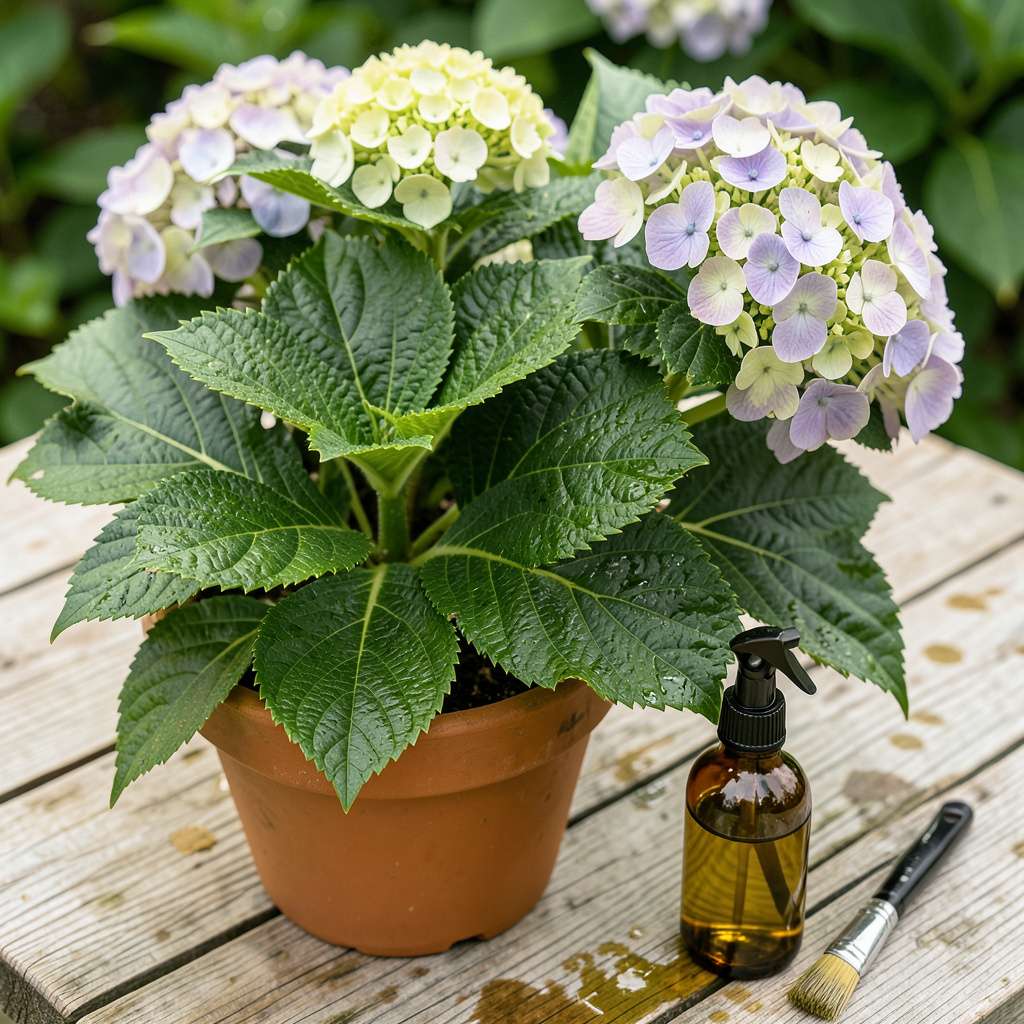
Hydrangea leaves curled into tight fists, aphids clustering on new growth—I’ve seen what happens when pests take over these beautiful shrubs. Neem oil became my secret weapon for protecting blooms without harsh chemicals, and the results speak for themselves: healthy plants with zero damage to those stunning flowers.
The trick is timing and technique. I learned the hard way that spraying in direct sunlight can burn leaves, and mixing the wrong concentration wastes product. Now I treat my hydrangeas at dusk with a simple homemade solution that targets pests while leaving beneficial insects unharmed. The difference shows in 48 hours—aphids disappear, mites retreat, and new growth comes in clean.
You’ll need just three things: cold-pressed neem oil, a mild soap, and water. The application takes 10 minutes but protects your plants for weeks. No fancy equipment, no complicated schedules—just consistent results that keep those hydrangea blooms looking their best all season.
Works for all hydrangea varieties, from mopheads to lacecaps, and won’t interfere with bloom production. Here’s exactly how to mix and apply it for maximum protection with minimum effort.
📚 In This Guide
This method protects your hydrangeas from pests while keeping those gorgeous blooms safe and vibrant.
Apply neem oil in the early morning or late evening when temperatures are below 85°F. Direct sunlight combined with oil can cause leaf burn, especially on hydrangeas’ delicate foliage. I always check the forecast first—rain within 24 hours will wash away the treatment before it can work.
Look for the first signs of pest activity: sticky residue (aphids), chewed leaves (Japanese beetles), or white webbing (spider mites). Don’t wait until the infestation is severe. Neem oil works best as a preventive measure or at the earliest stages of pest presence.
Use cold-pressed neem oil (not refined) and mix it at a ratio of 1 tablespoon per gallon of water. Add ½ teaspoon of mild liquid soap as an emulsifier—this helps the oil disperse evenly in water. Shake the mixture vigorously in a spray bottle until it forms a uniform, milky solution.
Test the solution on a single leaf first. Wait 24 hours to check for any adverse reaction like yellowing or spotting. Hydrangeas can be sensitive, so this step isn’t optional. If the test leaf remains healthy, you’re ready to proceed with full application.
Spray both the upper and lower leaf surfaces until they’re completely coated but not dripping. Pay special attention to the undersides of leaves—this is where most pests hide and lay eggs. I use a fine mist setting to ensure even coverage without damaging the delicate petals.
Avoid spraying open blooms directly. While neem oil is generally safe for flowers, excessive moisture can cause petal discoloration. Focus on the foliage and stems where pests are most likely to congregate. Reapply every 7-14 days or after heavy rain.
Check your hydrangeas 48 hours after application. You should see a noticeable reduction in pest activity. The oil works by disrupting pests’ life cycles, so you might still see some adults, but they won’t be able to reproduce effectively.
Continue applications throughout the growing season, especially during periods of high pest activity. I’ve found that alternating neem oil with insecticidal soap every other week prevents pests from developing resistance. Always apply in the cooler parts of the day to maximize effectiveness and minimize stress to your plants.
After years of protecting our hydrangeas from pests, we’ve learned these essential techniques that make all the difference in effectiveness and plant safety.
Timing Precision: The 24-hour waiting period after your test application isn’t just a suggestion—it’s crucial. I’ve seen hydrangeas react negatively to neem oil within 12 hours, so don’t rush this step. Apply your test spray in the evening and check at the same time the next day for accurate results. This patience prevents damaging your entire plant.
Temperature Strategy: That 85°F threshold mentioned in Step 1 exists for good reason. I once applied neem oil at 88°F on a partly cloudy morning, and the leaves developed unsightly brown spots within hours. Always double-check with a thermometer rather than guessing—hydrangea leaves are surprisingly sensitive to heat combined with oil.
Application Technique: When coating leaves in Step 3, think “even mist” rather than “thorough soaking.” I use a spray bottle with an adjustable nozzle set to its finest setting. The goal is complete coverage that looks like morning dew—not puddles forming on leaf surfaces. Excess oil can actually attract more pests rather than repelling them.
Maintenance Rhythm: The 7-14 day reapplication window in Step 4 gives you flexibility, but consistency matters more than the exact timing. I mark my calendar for every 10 days as a happy medium. After heavy rain, don’t wait—reapply immediately, even if it’s only been 5 days. Rain washes away the protective coating completely.
Yes, but avoid direct contact with open flowers. Spray neem oil in the early morning or late evening when pollinators are less active. Focus on the undersides of leaves and stems to target pests without harming blooms. Dilute properly (1-2 tsp per gallon of water) to prevent leaf burn.
For preventative care, spray every 2-3 weeks during growing season. If treating an active infestation (like aphids or powdery mildew), reapply every 5-7 days until pests are gone. Always check weather—avoid applying before rain or in extreme heat (above 90°F).
Early morning (before 10 AM) or late afternoon (after 4 PM) is ideal. This prevents leaf scorch from sun exposure and protects beneficial insects like bees. Avoid midday heat—neem oil can evaporate too quickly, reducing effectiveness.
Yes! Try insecticidal soap (for soft-bodied pests) or horticultural oil (for overwintering eggs). For fungal issues, baking soda spray (1 tbsp baking soda + 1 tsp oil + 1 gallon water) works well. Always test a small area first to avoid plant stress.
Brown spots or edges usually mean sunburn (sprayed in direct sunlight) or over-concentration. Rinse leaves with water immediately and reduce neem oil to 1 tsp/gallon next time. If damage persists, switch to a gentler option like compost tea for pest control.
Neem oil is a game-changer for keeping your hydrangeas pest-free while preserving their stunning blooms! 🌸 With its natural fungicidal and insecticidal properties, it’s a safe, eco-friendly alternative to harsh chemicals—just
Ready to give it a try? Start with a small test patch on your hydrangeas, then scale up as you see success. Your lush, thriving shrubs will thank you—and so will the bees and butterflies! 🐝 For more tips, check out our guide on organic gardening hacks next.
