
Beautiful Plants For Your Interior
Beautiful Plants For Your Interior
Mealybugs on your cactus feel like a personal betrayal. These tough plants survive drought and neglect, yet tiny pests can still bring them down. I’ve battled infestations on everything from prickly pears to Christmas cacti, and neem oil became my go-to solution—when used correctly. The challenge with cacti is their delicate skin. Regular neem applications […]
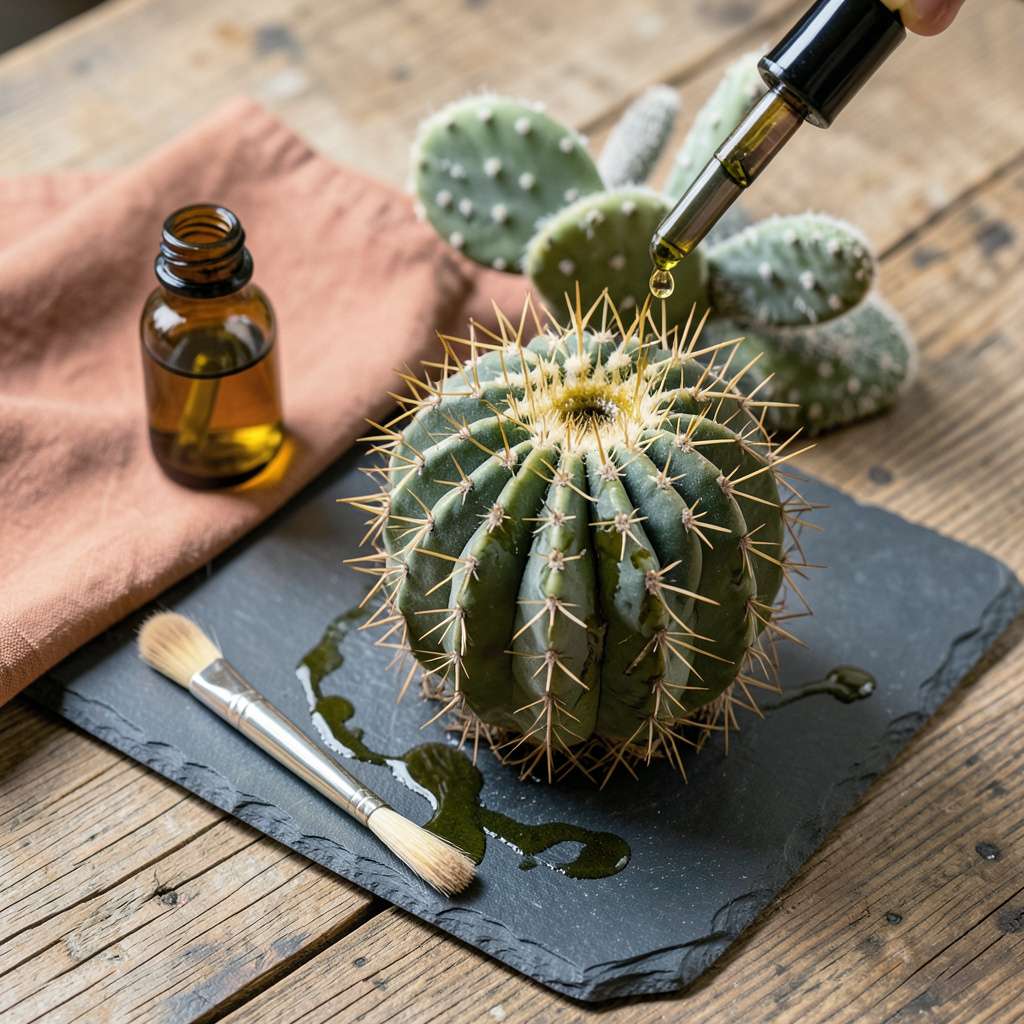
Mealybugs on your cactus feel like a personal betrayal. These tough plants survive drought and neglect, yet tiny pests can still bring them down. I’ve battled infestations on everything from prickly pears to Christmas cacti, and neem oil became my go-to solution—when used correctly.
The challenge with cacti is their delicate skin. Regular neem applications can burn them if you don’t dilute properly or apply at the wrong time. After ruining a few pads with undiluted oil, I learned the exact ratio and timing that protects while eliminating pests. The difference is night and day—healthy plants within 2-3 weeks.
You’ll see pests disappear without chemical sprays or repeated treatments. The oil disrupts their life cycle while leaving your cactus unharmed. No more cottony clusters in the crevices, no more webbing between spines. Just clean, thriving plants that keep growing for years.
Works for all cactus types, from desert giants to jungle varieties. The method stays the same—just adjust the frequency based on how bad the infestation is. Here’s how to do it right the first time.
📚 In This Guide
This gentle approach keeps your cacti pest-free while protecting their delicate skin from damage.
Start with 100% cold-pressed neem oil—this pure form works best for cacti because it lacks additives that might irritate their sensitive surfaces. I avoid pre-mixed sprays since their concentrations often prove too strong for succulents. Check the label to confirm it’s pure oil without emulsifiers or synthetic additives.
You’ll also need a mild liquid soap to help the oil disperse in water. I use Castile soap because it’s plant-safe and won’t leave residue. Avoid dish detergents or antibacterial soaps—they can harm the cactus epidermis and disrupt the natural waxy coating that protects against moisture loss.
Mix 1 teaspoon neem oil with ½ teaspoon mild soap in 1 quart of warm water. The warm water helps the oil disperse evenly rather than floating on top. Stir gently but thoroughly until the mixture turns cloudy—this indicates proper emulsification.
Test the solution on a small, hidden area of the cactus first. Wait 24 hours to check for any discoloration or softening. Cacti react differently than leafy plants, and this spot test prevents damaging your entire collection. If the test area looks normal, proceed with full application.
Use a soft-bristle paintbrush or clean makeup brush to apply the solution. Dip the brush lightly and paint the mixture onto the cactus stems, focusing on areas where pests congregate—typically along ribs, near the soil line, or in crevices. Avoid soaking the soil, as neem oil can disrupt beneficial microbes in the root zone.
Apply in the early evening when temperatures are below 85°F. Neem oil can cause phytotoxicity if applied during peak sunlight or heat. The cooler evening allows the solution to absorb properly without risk of burning the plant’s surface.
Check your cactus 48 hours after application for any signs of stress—look for blackened spots, softening tissue, or unusual color changes. Healthy cacti will show no reaction beyond perhaps a slight sheen from the oil residue. If you notice pests returning, you can safely reapply every 7-10 days until the infestation clears.
Between treatments, wipe down your cactus gently with a damp cloth to remove dust and dead pests. This prevents buildup of neem residue while maintaining the plant’s ability to photosynthesize efficiently. Most pest problems resolve within 2-3 applications when applied consistently.
After years of treating cacti with neem oil, I’ve learned the small details that make all the difference between success and accidental damage.
Solution Testing is Non-Negotiable: That 24-hour spot test in Step 2 isn’t just a suggestion—it’s your safety net. I once skipped this with a sensitive prickly pear and ended up with permanent white scars on the pads. Different cactus species react differently, so always test on a small, inconspicuous area first. The wait feels tedious, but it’s nothing compared to watching your favorite plant develop chemical burns.
Timing Matters More Than You Think: The early evening application window when temperatures are below 85°F isn’t arbitrary. I ruined a beautiful blue columnar cactus by applying neem oil at 3 PM on a sunny day. The oil literally cooked the plant’s surface, leaving crispy brown patches. Set a phone reminder for that golden hour after sunset—your cacti will thank you.
Application Technique: In Step 3, how you apply the solution makes all the difference. Use gentle, downward strokes following the cactus’s natural rib pattern. I like to work in small sections, letting each area dry slightly before moving to the next. This prevents the solution from pooling in crevices, which can lead to localized damage. A clean makeup brush gives you more control than a spray bottle ever could.
Between-Treatment Care: That 48-hour monitoring period in Step 4 is when most people make mistakes. Don’t just look for obvious damage—run your fingers lightly over treated areas. Healthy cactus skin should feel firm and slightly waxy. If it feels tacky or soft, you’ve either applied too much solution or the concentration was too strong. Wipe down the plant immediately with a damp cloth if you detect any softness.
Yes! Neem oil is safe for most cacti, including desert varieties like Saguaro or Prickly Pear and tropical species like Christmas Cactus. However, always do a patch test on a small area first—some sensitive cacti (e.g., Lithops) may react poorly. Dilute properly (1 tsp oil per 1 gallon of water) to avoid leaf burn.
For pest prevention, spray every 4–6 weeks during growing season (spring/summer). If treating an active infestation (mealybugs, spider mites), apply weekly until pests vanish. Avoid overuse—neem oil can clog pores if applied too frequently. Skip applications in dormant winter months.
Apply in the early morning or late evening to avoid sunlight burning the treated areas. Neem oil can magnify UV rays, causing damage. Ensure temperatures are below 90°F (32°C)—heat stress + oil = recipe for crispy cacti! Let the plant dry naturally in shade.
If pests persist, try:
Rotate methods to prevent pest resistance!
This usually signals overapplication or sun exposure post-spray. Black spots = fungal growth (neem oil traps moisture); yellowing = chemical burn. Fix it: Rinse the cactus with water, move to shade, and halt treatments for 2–3 weeks. Next time, dilute further and apply at dusk.
Neem oil is a game-changer for keeping your cactus thriving—naturally repelling pests while being gentle on these hardy plants. 🌵✨ With the right dilution, timing, and application, you can protect your spiky friends without harsh chemicals or damage.
Ready to give it a try? Start with a small test patch on your cactus, then scale up as you see success. Happy growing—and here’s to pest-free plants! 🌱
