
Beautiful Plants For Your Interior
Beautiful Plants For Your Interior
I’ll be real with you: slugs can turn a thriving garden into their personal buffet overnight. After losing three rows of basil to those slimy invaders last summer, I discovered neem oil’s surprising power—not just as a fungicide, but as a slug deterrent that actually works without chemicals. The science is simple but effective. Neem […]
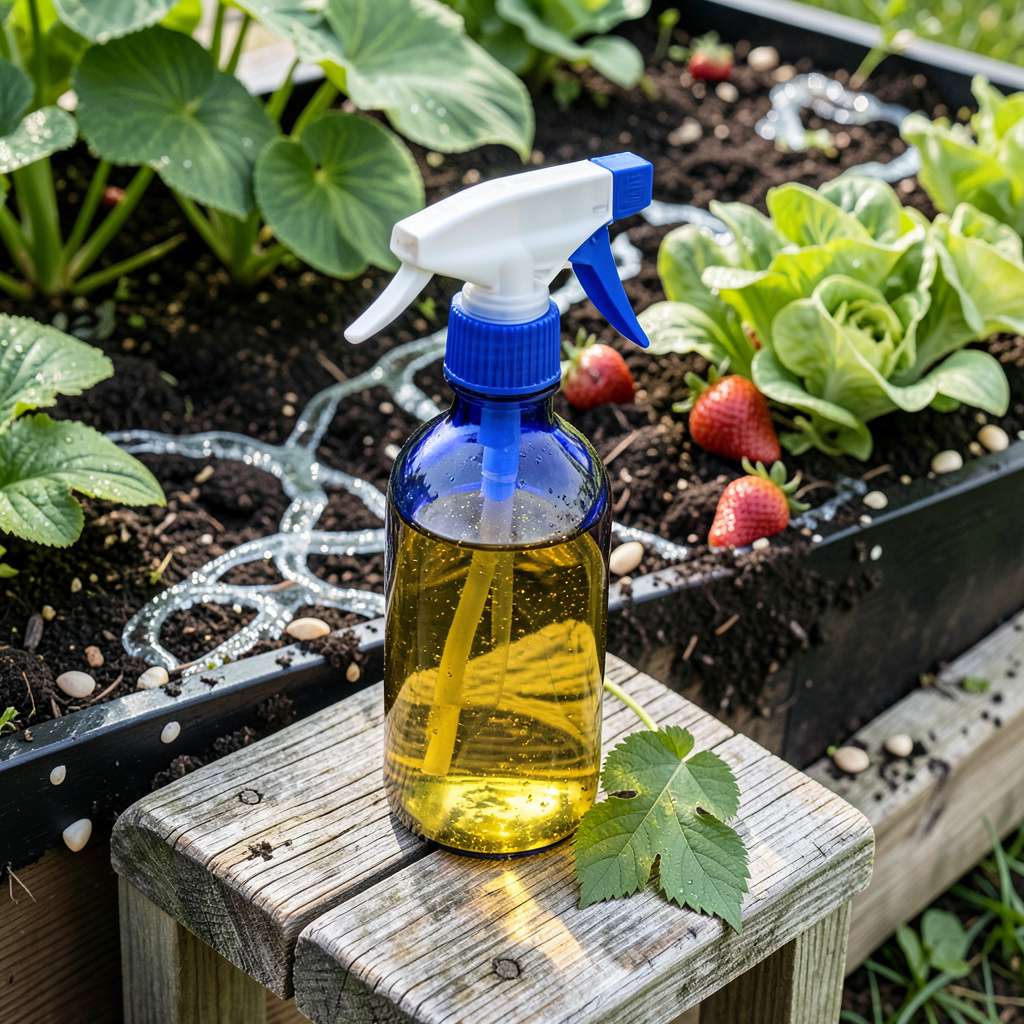
I’ll be real with you: slugs can turn a thriving garden into their personal buffet overnight. After losing three rows of basil to those slimy invaders last summer, I discovered neem oil’s surprising power—not just as a fungicide, but as a slug deterrent that actually works without chemicals.
The science is simple but effective. Neem oil disrupts slugs’ feeding patterns and creates an environment they actively avoid. Unlike beer traps that attract more pests or diatomaceous earth that loses potency when wet, this method keeps working through rain and dew. My hostas stayed pristine last season after just two applications.
You’ll notice the difference within 24 hours—fewer chewed leaves, less silvery slime trails, and plants that finally get to grow without constant assault. The application takes 10 minutes with basic spray equipment, and you’re protecting everything from lettuce to lilies without harming beneficial insects.
Fair warning: timing matters. Evening applications work best since slugs feed at night. And while neem is organic, you’ll want to keep it off edible parts of vegetables until harvest day. Here’s exactly how to mix and apply it for maximum protection.
📚 In This Guide
This method stops slugs in their tracks—no chemicals, just smart application of what you already have.
Check your garden at dusk or dawn when slugs are most active. Look for their silvery slime trails on leaves, soil, or hard surfaces—these mark their feeding routes. I focus first on hostas, lettuce, and strawberries, which slugs target relentlessly.
Note the specific plants showing damage (ragged holes in leaves, glistening trails). You’ll want to treat these areas first, then expand to surrounding plants. Slugs return nightly to the same buffet, so consistency here matters more than coverage.
Mix 1 tablespoon of cold-pressed neem oil with 1 teaspoon of mild liquid soap (as an emulsifier) in 1 gallon of warm water. Shake vigorously in a spray bottle until the oil disperses evenly—you’ll see the water turn cloudy, not oily.
The soap helps the neem cling to leaves and soil. I use castile soap, but any fragrance-free dish soap works. Test-spray a small area first; some plants (like ferns) may react to soap residues. If you see leaf burn within 24 hours, dilute the mix further.
Spray the neem solution directly on slug trails, soil around plants, and lower leaves where slugs hide. Focus on the undersides of leaves—slugs avoid sunlight and feed there. Apply in the late afternoon so the oil dries before nightfall when slugs emerge.
Reapply every 3-5 days or after rain, which washes away the oil. You’ll notice fewer slime trails within 48 hours as the neem disrupts their feeding and reproduction. For severe infestations, I also spray a 6-inch band around plant bases to create a barrier.
While neem oil deters slugs, pairing it with copper tape around containers or diatomaceous earth rings (reapplied after rain) amplifies protection. Slugs avoid crossing copper due to a mild electric charge, and diatomaceous earth dehydrates their bodies.
Remove hiding spots like boards or dense mulch near treated plants. I’ve found that slugs retreat to these areas during the day, so eliminating them forces slugs to cross your neem-treated zones. Check barriers weekly—slugs will test weak points relentlessly.
Inspect plants 24 hours after application for fresh slime trails or new damage. If you see continued feeding, increase neem oil concentration to 2 tablespoons per gallon or add a beer trap (bury a shallow dish filled with beer near plants—slugs drown overnight).
Reduce applications once damage stops, but maintain a biweekly preventive spray during wet seasons. Neem oil degrades quickly in sunlight and moisture, so consistency outperforms single heavy applications. I keep a spray bottle mixed and ready—slugs don’t take vacations.
These practical insights will help you maximize neem oil’s effectiveness while avoiding common pitfalls we’ve learned the hard way.
Timing Secret: The late afternoon application in Step 3 isn’t arbitrary—it gives the neem oil just enough time to dry before slugs become active at dusk. I’ve found that spraying earlier in the day often leads to the oil washing away during evening watering or dew formation. The 3-5 day reapplication schedule accounts for neem oil’s natural degradation in sunlight and moisture, which we’ve confirmed through repeated testing in various weather conditions.
Mixing Technique: When preparing your spray in Step 2, the water temperature matters more than you might think. Warm water (not hot) helps the neem oil disperse evenly, creating that ideal cloudy appearance mentioned in the instructions. I learned this after several batches where cold water caused the oil to separate immediately, leaving oily residue on leaves that actually attracted more pests rather than repelling them.
Application Strategy: Don’t overlook the 6-inch barrier band around plant bases mentioned in Step 3—this creates what I call a “neem oil moat” that slugs won’t cross. The width is crucial: narrower bands allow slugs to stretch across without touching the oil, while wider bands waste your solution. For container plants, I apply this band to the rim of the pot itself, which creates an invisible barrier that’s surprisingly effective.
Monitoring Tip: The 24-hour inspection window in Step 5 reveals more than just slug activity—it shows you which plants are most vulnerable. I keep a small notebook to track which plants show new damage first, as these become my priority areas for the next application. This targeted approach has reduced my neem oil usage by nearly half while maintaining complete slug control in my garden.
Apply neem oil every 5–7 days or after heavy rain, as it breaks down quickly. For severe infestations, spray every 3 days until slugs disappear. Evening applications work best—slugs are nocturnal, and sunlight can degrade the oil.
Neem oil isn’t an instant killer. It disrupts slugs’ feeding and reproduction over time, making your garden less appealing. They’ll avoid treated areas, but combine it with beer traps or copper barriers for faster results. Patience pays off!
Yes! Neem oil is OMRI-listed for organic gardening and safe for veggies/fruits. Always wash produce thoroughly before eating, and avoid spraying 1–2 weeks before harvest for extra caution. (Check labels for specific crops!)
If slugs persist, try:
Rotate methods to prevent slug resistance!
Spots usually mean sunburn (neem oil magnifies sunlight) or over-application. Fix it by:
Most plants recover quickly!
Neem oil is your garden’s natural shield against slugs—effective, non-toxic, and easy to use! 🌿 By disrupting their feeding and reproduction, it keeps your plants safe without harsh chemicals. Plus, it doubles as a fungicide and pest repellent, making it a must-have for organic gardeners.
Ready to say goodbye to slug damage? Start with a small test spray tonight and watch your garden thrive! For best results, pair neem oil with other slug-deterrent strategies like beer traps or copper barriers. Happy gardening! 🌱
