
Beautiful Plants For Your Interior
Beautiful Plants For Your Interior
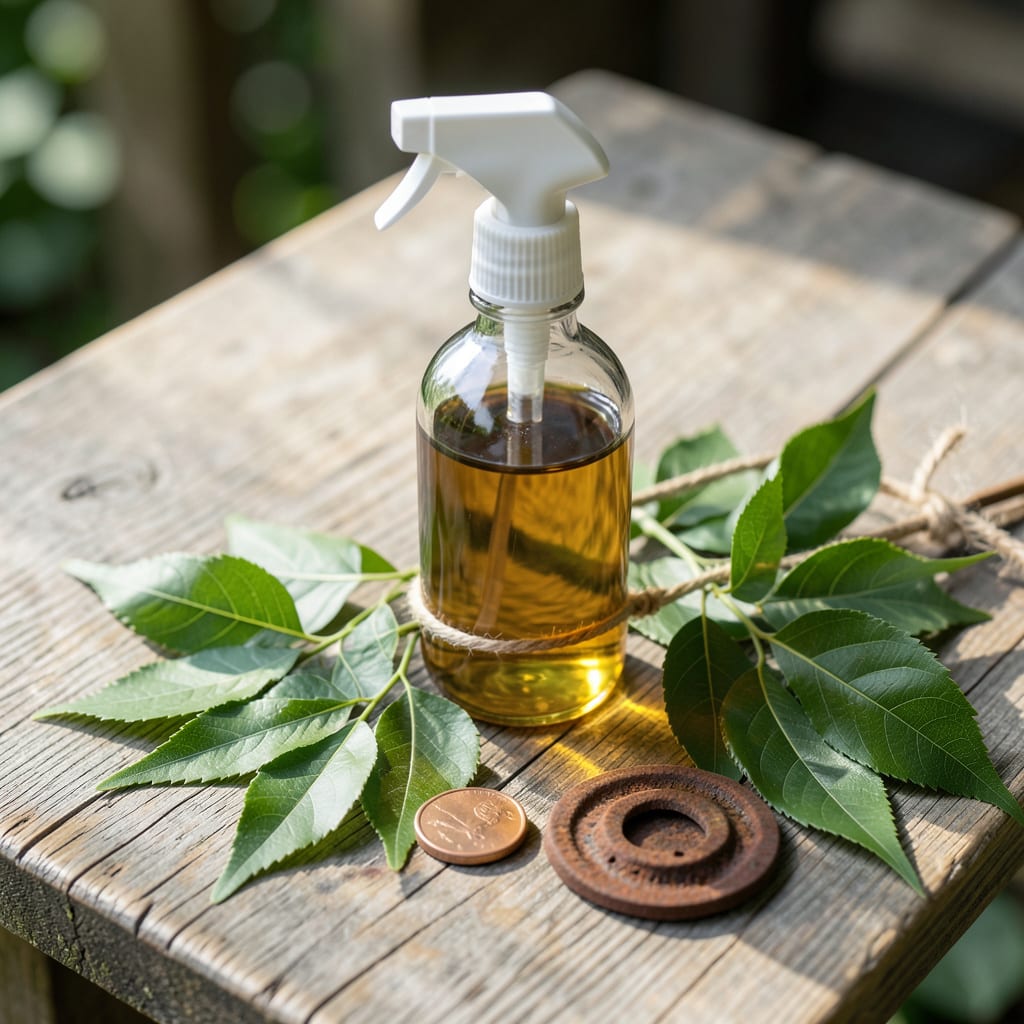
Rust on your roses or hollyhocks isn’t a death sentence. I’ve watched orange powder destroy leaves overnight, then stopped it cold with a simple spray.
Neem oil works because it disrupts the fungus life cycle without harming beneficial insects. Mix 1 tablespoon oil with 1 teaspoon mild soap and 1 quart water, then coat both sides of leaves thoroughly.
Early morning applications give best results, letting the treatment dry before heat hits. Reapply every 7-10 days until the problem clears, and again after rain.
Prevention beats cure—start spraying at first sign of trouble or when conditions turn cool and damp.
Rust is a natural chemical process, but understanding its causes helps you prevent it—and use solutions like neem oil effectively. Here’s why metal corroders over time:
The primary culprit behind rust is the oxidation of iron when it reacts with water (H₂O) and oxygen (O₂) in the air. This chemical reaction forms iron oxide (Fe₂O₃), the reddish-brown flakes we recognize as rust. Even humidity in the air can provide enough moisture to kickstart this process, especially in unprotected metal surfaces.
Moisture alone accelerates rust, but the presence of electrolytes—such as salt (sodium chloride) or acids—supercharges it. These substances increase the conductivity of water, allowing electrons to move more freely and speeding up the oxidation reaction. This is why coastal areas or roads treated with de-icing salts see faster rust formation on cars and outdoor furniture.
Not all metal is created equal. Impurities or alloying elements in iron or steel can create weak spots where rust starts more easily. For example, carbon steel (which contains carbon) is more prone to rust than pure iron because the carbon disrupts the metal’s uniform structure, making it more susceptible to corrosion.
Physical damage, like scratches, dents, or paint chips, exposes bare metal to the elements. Once the protective layer (e.g., paint or coating) is compromised, moisture and oxygen can directly contact the iron, leading to localized rust spots. This is why even small scratches on tools or outdoor equipment can quickly escalate into larger rust problems.
Rust can be a stubborn problem, but neem oil offers a natural, effective way to tackle it. Below are practical solutions tailored to different rust scenarios, along with tips to prevent future buildup.
Fix: Mix 1 part neem oil with 1 part white vinegar in a spray bottle. Spray the solution onto the rusted area and let it sit for 30–60 minutes. Scrub with a steel wool or wire brush, then wipe clean with a damp cloth. Dry thoroughly to prevent moisture from causing new rust.
Prevention: After cleaning, apply a thin layer of undiluted neem oil to the tool. This creates a protective barrier against moisture. Store tools in a dry place and check them regularly for early signs of rust.
Fix: For small rust spots on cars, mix 2 tablespoons of neem oil with 1 tablespoon of baking soda to form a paste. Apply the paste to the rusted area and let it sit for 20–30 minutes. Gently scrub with a soft cloth or sponge, then rinse with water. Dry the area completely.
Prevention: Wash your car regularly to remove dirt and salt, which accelerate rusting. Apply a neem oil and coconut oil blend (1:1 ratio) to vulnerable areas like wheel wells and undercarriages as a natural protective coating.
Fix: Combine 1/4 cup neem oil with 1/4 cup lemon juice in a bowl. Dip a cloth or sponge into the mixture and rub it onto the rusted spots. Let it sit for 15–20 minutes, then scrub off the rust with a brush. Wipe clean and dry.
Prevention: To keep outdoor furniture rust-free, apply a neem oil and beeswax mixture (2:1 ratio) every few months. This not only prevents rust but also enhances the furniture’s natural shine. Store cushions and fabric parts indoors during rainy seasons.
💡 Pro Tip: Always test neem oil on a small, hidden area first to ensure it doesn’t discolor or damage the surface. For severe rust, you may need to repeat the treatment or combine it with sanding for better results.
Reapply every 7-10 days for active rust or after rain. For prevention, a monthly treatment works well on tools and furniture. Always ensure surfaces are dry before application.
Yes, but test on a small hidden area first. Neem oil won’t harm most paints, but it may darken or soften some finishes. It’s safe for raw metal and clear-coated surfaces.
It’s non-toxic, biodegradable, and creates a protective barrier against moisture. Unlike harsh chemicals, it won’t damage surrounding materials or harm plants if used outdoors.
Keep it in a cool, dark place in an airtight container. Exposure to light and heat degrades its effectiveness. Properly stored, it lasts 1-2 years.
