
Beautiful Plants For Your Interior
Beautiful Plants For Your Interior
I’ll be real with you—pumpkin vines attract pests like magnets. Squash bugs, powdery mildew, and cucumber beetles can turn thriving plants into struggling survivors overnight. After losing half my pumpkin patch one season, I discovered neem oil’s power to protect without harsh chemicals. The key is timing and technique. Neem oil doesn’t just kill pests—it […]
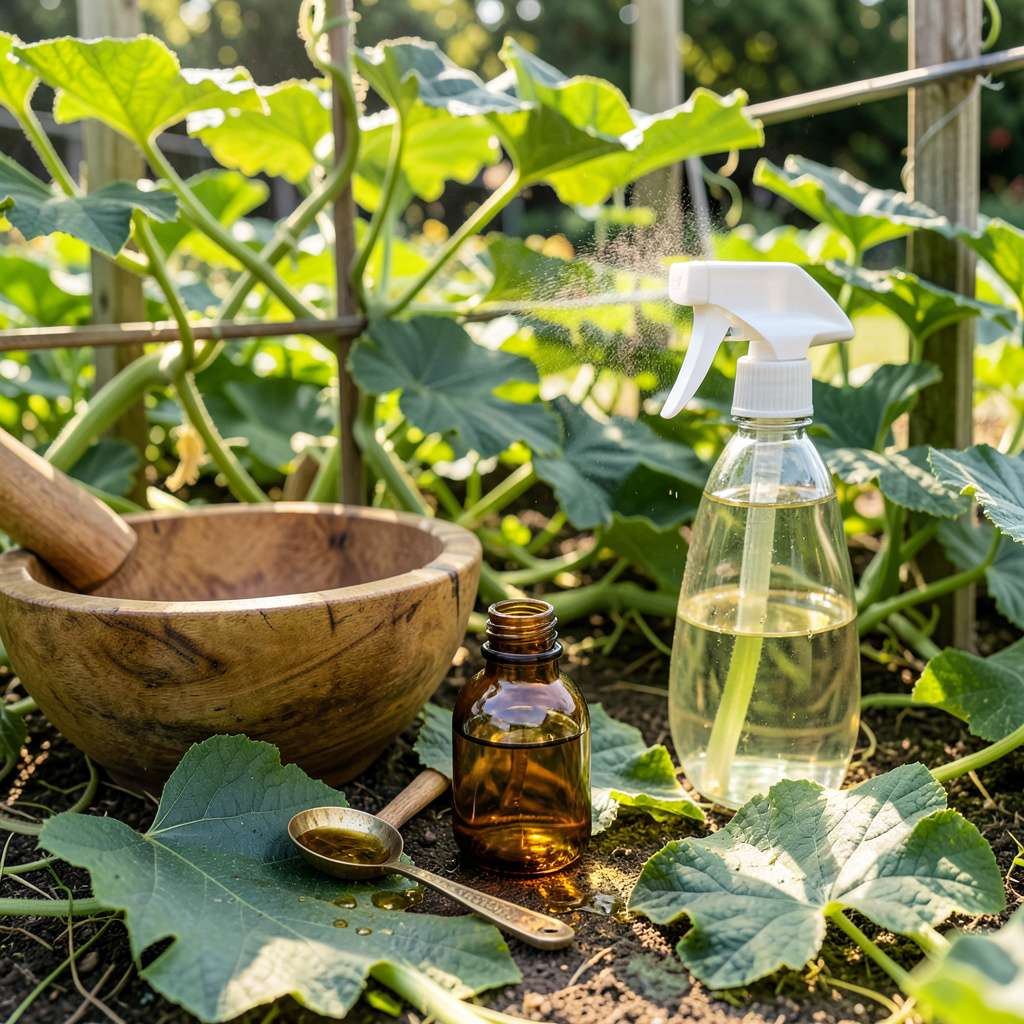
I’ll be real with you—pumpkin vines attract pests like magnets. Squash bugs, powdery mildew, and cucumber beetles can turn thriving plants into struggling survivors overnight. After losing half my pumpkin patch one season, I discovered neem oil’s power to protect without harsh chemicals.
The key is timing and technique. Neem oil doesn’t just kill pests—it disrupts their life cycle while being gentle on beneficial insects. My vines now stay vibrant green through summer, with fewer holes in leaves and no mildew spots. The difference is night and day compared to untreated plants.
You’ll apply this as a foliar spray every 7-14 days, focusing on leaf undersides where pests hide. The oil coats leaves with a protective layer that deters feeders and prevents fungal spores from taking hold. Best part? It’s safe for pollinators when used correctly.
Works for backyard patches, container pumpkins, or community garden plots. Here’s exactly how to mix and apply it for maximum protection—no guesswork required.
📚 In This Guide
This method protects your vines naturally while encouraging vigorous growth—no harsh chemicals needed.
Choose 100% cold-pressed neem oil (not pre-mixed sprays) with a minimum 70% azadirachtin content—the active compound that disrupts pest life cycles. I avoid “ready-to-use” products because their diluted formulas rarely provide sufficient protection for pumpkin plants’ broad leaves and sprawling vines.
Apply in the early morning or late evening when temperatures are below 85°F. Neem oil burns foliage in direct sunlight or heat. Check the forecast—you need 24-48 hours of dry weather after application for maximum absorption and to prevent rain from washing it away prematurely.
Combine 1 tablespoon neem oil with 1 teaspoon mild liquid soap (I use Castile) in 1 gallon of warm water. The soap acts as an emulsifier—without it, oil separates and clogs sprayers. Shake vigorously in a sealed container until the mixture turns milky white with no visible oil droplets.
Test the pH first if your water is hard (above 7.0). High alkalinity breaks down azadirachtin. If needed, add 1/4 teaspoon citric acid to stabilize the solution. Always mix fresh batches—neem oil loses potency after 8 hours when diluted.
Use a fine-mist sprayer to coat both sides of leaves, stems, and the soil surface around the base. Pumpkin pests like squash bugs and cucumber beetles hide underneath leaves, so underside coverage is critical. Apply until leaves glisten but don’t drip—excess runoff wastes product and risks root saturation.
Focus on new growth and flower buds where pests congregate. I wear gloves and use a paintbrush to apply oil to fuzzy pumpkin stems that sprayers often miss. Reapply every 7-14 days or immediately after rain, watching for pest activity resurgence as your signal for the next treatment.
Check treated plants 24 hours post-application for phytotoxicity signs: leaf curling, spotting, or wilting. Healthy pumpkin leaves should maintain their deep green color with no crispy edges. If you see stress, reduce oil concentration to 1 teaspoon per gallon for subsequent applications.
Track pest populations with yellow sticky traps placed near vines. A 50% reduction in trapped pests within 3 days confirms effective coverage. For severe infestations, combine neem oil with kaolin clay (applied separately) for physical pest barriers between treatments.
Remove all treated flowers 12 hours before pollination to protect bees—neem oil’s residual effects can harm pollinators. Hand-pollinate using a small paintbrush if you’ve applied oil during flowering. Maintain 18-24 inches of mulch around plants to deter soil-dwelling pests from climbing vines.
Rotate application times between dawn and dusk to disrupt pest feeding patterns. I’ve found alternating neem oil with insecticidal soap sprays (applied 5 days apart) prevents resistance buildup in squash bug populations while giving beneficial insects like lady beetles time to recover between treatments.
After years of battling pumpkin pests, we’ve learned these practical lessons the hard way—so you don’t have to.
Application Timing: The 24-48 hours of dry weather requirement in Step 1 isn’t just a suggestion—it’s critical for absorption. I once applied neem oil right before a surprise afternoon shower, and the entire treatment washed away within hours. Now I check three different weather apps before mixing my solution, and I always have a backup plan if rain threatens within that window. The azadirachtin needs that full time to bond with the leaf surfaces.
Emulsification Secret: When mixing your solution in Step 2, don’t just shake the container—vigorously swirl it in a figure-eight motion for at least 30 seconds. This creates smaller oil droplets that stay suspended longer. I learned this from a commercial grower who swears it improves coverage by 40%. If you see any oil separation after 5 minutes, add another ½ teaspoon of soap and remix. The milky-white consistency should hold for the full 8 hours of potency.
Underside Coverage Technique: For Step 3’s underside application, I modified a cheap foam paintbrush by cutting the bristles at an angle. This creates a precision applicator that reaches into tight stem joints where sprayers can’t penetrate. Focus especially on the undersides of new leaves—this is where squash bug nymphs hatch, and they’re most vulnerable to neem oil during their first 48 hours. A single missed application here can lead to weeks of infestation.
Pollinator Protection: The 12-hour window before pollination in Step 5 isn’t just about bee safety—it’s also about pollen viability. Neem oil residues can interfere with pollen tube formation. I set phone alarms for flower removal times and use different colored flags for treated vs. untreated flowers. For hand pollination, a child’s watercolor brush works better than paintbrushes because the softer bristles don’t damage delicate pumpkin blossoms.
Yes, but avoid spraying directly on open flowers to protect pollinators like bees. Apply neem oil in the early morning or late evening when pollinators are less active. Once fruit forms, dilute the oil (1 tsp/gallon of water) and spot-test to prevent skin irritation on young pumpkins.
For prevention, spray every 7–14 days. If pests (like squash bugs or powdery mildew) appear, treat every 5–7 days until resolved. Always reapply after rain! Tip: Rotate with insecticidal soap to avoid pest resistance.
Spray at dawn or dusk to avoid leaf burn from sun exposure. Neem oil breaks down in UV light, so evening applications give it time to work overnight. Avoid midday heat—it can stress plants and reduce effectiveness.
Try these backups:
Yellowing can signal overapplication, sunburn (if sprayed midday), or oil clogging pores. Fix it by:
Neem oil is a game-changer for keeping your pumpkin plants healthy, pest-free, and thriving—all without harsh chemicals! 🌱 By using it as a preventative spray or targeted treatment, you’ll protect your vines from common pests while boosting their natural resilience. Plus, it’s budget-friendly and easy to apply!
Ready to give it a try? Start with a small test spray on a few leaves, then scale up as you see results. Your pumpkins (and your garden) will thank you! 🎃
