
Beautiful Plants For Your Interior
Beautiful Plants For Your Interior
That white fuzzy growth on your plant leaves isn’t just unsightly—it’s actively stealing nutrients and weakening your plants. I’ve battled mold outbreaks in my greenhouse more times than I’d like to admit, but neem oil became my go-to solution after watching it clear up stubborn cases in less than a week without harsh chemicals. What […]
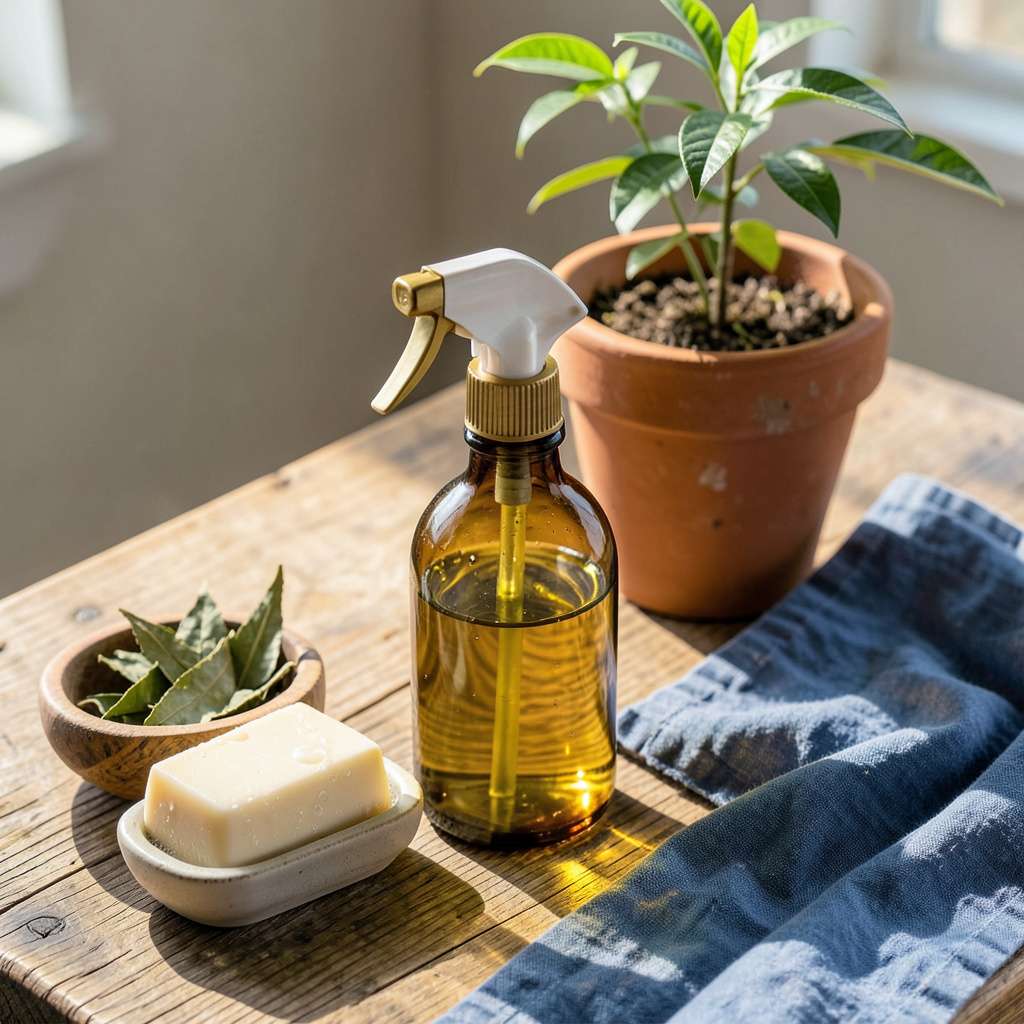
That white fuzzy growth on your plant leaves isn’t just unsightly—it’s actively stealing nutrients and weakening your plants. I’ve battled mold outbreaks in my greenhouse more times than I’d like to admit, but neem oil became my go-to solution after watching it clear up stubborn cases in less than a week without harsh chemicals.
What makes neem oil different is how it works on multiple fronts: it disrupts mold spores’ ability to grow while strengthening plant cells against future attacks. The first time I used it properly (after several failed attempts with diluted mixtures), I noticed the mold stopping its spread within 24 hours. No more scrubbing leaves or throwing away infected plants.
You’ll need just three things: cold-pressed neem oil, a mild liquid soap, and water. The application takes 10 minutes max, and you’ll see the difference after the first treatment. Unlike synthetic fungicides, this won’t leave toxic residues or harm beneficial insects when used correctly.
Fair warning: timing matters. Apply in early morning or late evening to avoid leaf burn, and always do a patch test first. The key is consistency—mold doesn’t stand a chance when you hit it with neem oil’s one-two punch of prevention and treatment.
📚 In This Guide
This method eliminates mold naturally while protecting your plants—no harsh chemicals required.
Start by mixing 1 tablespoon of cold-pressed neem oil with 1 teaspoon of mild liquid soap in a clean spray bottle. The soap acts as an emulsifier, helping the oil disperse evenly in water. Without it, the oil will separate and clog your sprayer.
Add 1 quart of warm water (not boiling) to the bottle and shake vigorously for at least 30 seconds until the mixture appears milky. This ensures the oil is fully suspended. Let it sit for 5 minutes—you’ll see the solution stabilize, which means it’s ready to use.
Before treating the entire area, spray a small, hidden section of the plant or surface and wait 24 hours. This checks for any adverse reactions, especially on delicate plants. If you see discoloration or wilting, dilute the solution further with water.
For visible mold, spray the affected area until thoroughly saturated but not dripping. Focus on the undersides of leaves and crevices where mold often hides. You’ll notice the mold darken slightly as the oil penetrates—this is normal and means it’s working.
After application, let the solution dry naturally in a well-ventilated area. Avoid direct sunlight during this period, as neem oil can cause leaf burn if exposed to intense light while wet. Drying typically takes 1-2 hours depending on humidity.
Don’t rinse the solution off. The residual oil continues working as a protective barrier against future mold growth. You’ll see the mold begin to lighten and flake away within 2-3 days of treatment.
Mold is persistent, so repeat the application every 3-5 days until all signs disappear. For severe cases, you may need 3-4 treatments. I’ve found that consistency is key—skipping applications allows mold to regrow between treatments.
After the mold is gone, apply the solution once monthly as a preventive measure. This is especially important in humid environments or for plants prone to fungal issues. You’ll maintain a mold-free space with minimal effort.
If you have leftover mixture, store it in a cool, dark place for up to 2 weeks. Shake well before each use, as the oil will naturally separate over time. For longer storage, keep the neem oil concentrate separate and mix fresh batches as needed.
Clean your spray bottle with warm, soapy water after each use to prevent clogging. I run hot water through the nozzle for 10 seconds to clear any residual oil. This keeps your equipment ready for the next application.
After years of battling mold in our own gardens, we’ve learned these practical tricks that make all the difference in effectiveness and plant safety.
Solution Preparation: When mixing in Step 1, use warm water (not hot) to help the 1 tablespoon of cold-pressed neem oil disperse properly. I’ve found that shaking for the full 30 seconds creates a truly milky solution that won’t separate. The 5 minutes of resting time is crucial—you’ll actually see the mixture stabilize before your eyes, which means it’s properly emulsified and ready to work.
Application Technique: In Step 2, don’t just spray the visible mold—focus on those hidden areas mentioned in the instructions. I always spray until the surface glistens but doesn’t drip, which ensures full coverage without waste. The darkening effect you’ll see on the mold is actually the neem oil penetrating the fungal structure, so don’t be alarmed when this happens.
Environmental Considerations: During the 1-2 hours of drying time in Step 3, I’ve learned to move treated plants to a shady spot with good airflow. This prevents the leaf burn that can occur if neem oil dries under direct sunlight. A small fan can help speed up drying in humid conditions, but don’t rush it—proper drying is what creates that protective barrier.
Consistency is Key: The 3-5 days reapplication schedule in Step 4 isn’t arbitrary—it matches mold’s growth cycle. I mark my calendar to stay on track, as missing even one treatment can allow regrowth. For severe cases, I’ve found that the full 3-4 treatments are often needed, but the monthly maintenance sprays afterward make all the difference in prevention.
Neem oil starts working within 24–48 hours of application, but full mold elimination may take 3–7 days, depending on severity. For stubborn growth, reapply every 2–3 days until the mold disappears. Patience is key—neem oil’s antifungal properties need time to break down spores!
Neem oil is safe for non-porous surfaces like tile, glass, and metal, but avoid unsealed wood, fabric, or wallpaper—it may stain. Always spot-test first! For porous materials, consider alternatives like vinegar or hydrogen peroxide.
Yes! Unlike bleach (which only kills surface mold and releases fumes), neem oil penetrates spores and prevents regrowth without toxic chemicals. It’s also eco-friendly and safer for homes with kids/pets. Note: Bleach is faster but less effective long-term.
Recurring mold usually means moisture issues (leaks, humidity) or incomplete treatment. Fix the source first, then reapply neem oil weekly for prevention. Add 1 tsp dish soap to the spray mix to help the oil cling better to surfaces.
If neem oil falls short, try:
Combine with a dehumidifier for best results!
Neem oil offers a powerful, natural solution for tackling mold without harsh chemicals—making it a safe and eco-friendly choice for your home. 🌿 With its antifungal properties and easy application, it’s a go-to remedy for preventing and treating stubborn mold growth.
Ready to give it a try? Start with a small test area, then expand to larger spaces for long-lasting protection. For best results, combine neem oil with good ventilation and moisture control—your home will thank you!
