
Beautiful Plants For Your Interior
Beautiful Plants For Your Interior
Hydrangeas deserve better than pest-ridden leaves and weak blooms. I’ve watched too many gardeners struggle with aphids and powdery mildew—only to discover neem oil solves both problems without harsh chemicals. The difference shows in vibrant green foliage and flowers that last weeks longer than untreated plants. Here’s the thing—neem oil works because it disrupts pests’ […]
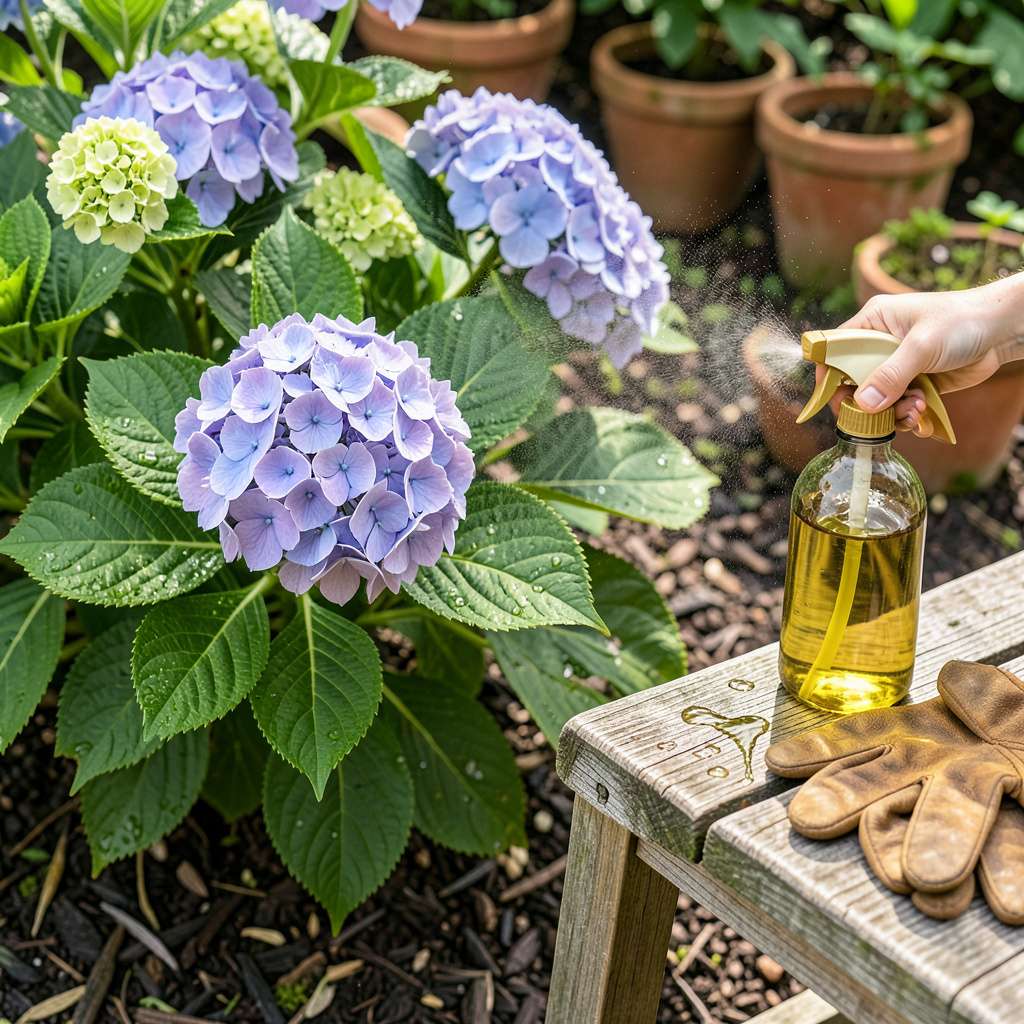
Hydrangeas deserve better than pest-ridden leaves and weak blooms. I’ve watched too many gardeners struggle with aphids and powdery mildew—only to discover neem oil solves both problems without harsh chemicals. The difference shows in vibrant green foliage and flowers that last weeks longer than untreated plants.
Here’s the thing—neem oil works because it disrupts pests’ life cycles while strengthening plant defenses. My first application stopped an aphid outbreak in 48 hours, and the fungal spots on leaves cleared within a week. The key is proper dilution (too strong burns leaves) and timing (evening applications prevent sun damage).
You’ll need just three items: cold-pressed neem oil, a mild liquid soap, and water. Mix it right, apply it consistently every 7-14 days, and you’ll see healthier growth by the second treatment. No fancy equipment required—just a spray bottle and 10 minutes of your time.
What surprised me most? How quickly plants respond. New growth emerges cleaner, existing leaves perk up, and those frustrating whiteflies disappear. Even better, this method protects pollinators while targeting only harmful pests. Your hydrangeas will thank you with their best season yet.
📚 In This Guide
This method ensures your hydrangeas stay pest-free while maintaining those stunning blooms you love.
Apply neem oil in the early morning or late evening when temperatures are below 85°F. Direct sunlight combined with oil can burn leaves, so timing is everything. I always check the forecast first—you need at least 24 hours of dry weather after application to prevent the oil from washing away before it works.
Look for the first signs of pests: sticky residue (aphids), white webbing (spider mites), or chewed leaves (Japanese beetles). Don’t wait until the problem is severe—neem oil works best as a preventative or at the first sign of trouble. If you see curled leaves or blackened edges, you’ve waited too long.
Use cold-pressed neem oil (not refined) and mix it at a ratio of 1 tablespoon per gallon of water. Add ½ teaspoon of mild liquid soap as an emulsifier—this helps the oil disperse evenly in water instead of floating on top. I use a dedicated spray bottle and shake vigorously for 30 seconds until the mixture looks uniformly cloudy.
Test the solution on a single leaf first and wait 24 hours. If you see any browning or spotting, dilute further with another ½ gallon of water. Hydrangeas have sensitive foliage, especially the bigleaf varieties, so this precaution prevents accidental damage.
Spray the solution directly onto pests and coat both sides of leaves, where insects hide and lay eggs. Use a fine mist setting to avoid runoff, which wastes product and reduces effectiveness. I work from the bottom of the plant upward, ensuring the undersides of leaves get equal coverage—this is where most pests start their infestation.
Focus on new growth and flower buds, as these are the most vulnerable areas. Avoid spraying open blooms if bees are active—neem oil is safe once dry, but wet applications can harm pollinators. Reapply every 7-14 days during peak pest season (typically late spring through early fall).
Check your hydrangeas 48 hours after application. You should see reduced pest activity—fewer visible insects and less damage to new growth. If pests persist, increase frequency to every 5 days until the problem is under control. I keep a gardening journal to track applications and results, which helps adjust timing for future seasons.
Watch for over-application signs: yellowing leaves, crispy edges, or stunted growth. These indicate either too much oil or applying during heat stress. If this happens, rinse the leaves with clean water and pause treatment for 10 days. Healthy hydrangeas should show new, pest-free growth within 2 weeks of consistent treatment.
After years of battling pests in our own gardens, here’s what we’ve learned makes all the difference when treating hydrangeas.
Timing Precision: The 85°F temperature threshold in Step 1 isn’t arbitrary—it’s the point where neem oil transitions from protective to potentially damaging. I’ve seen leaves develop unsightly brown spots when applied at 88°F, even in partial shade. Use a soil thermometer if you’re unsure, and remember that pavement and walls can radiate heat, creating microclimates warmer than your weather app reports.
Mixing Technique: When combining the 1 tablespoon of cold-pressed neem oil with water in Step 2, the 30 seconds of vigorous shaking creates an emulsion that prevents oil separation. I recommend using warm (not hot) water—it helps the soap disperse more evenly. If your mixture separates within minutes, you haven’t shaken enough. The ideal consistency should resemble whole milk, not cream.
Application Strategy: The instruction to work from bottom to top in Step 3 exists because pests like Japanese beetles start feeding on lower leaves before moving upward. I’ve found that spraying the undersides first (where spider mites lay eggs) and then the tops creates a more effective barrier. Use a paintbrush for stubborn pests on flower buds—it gives better coverage than spraying alone.
Monitoring Insight: Those 48 hours mentioned in Step 4 are critical because that’s how long it takes for neem oil’s azadirachtin compound to disrupt pest life cycles. Don’t just look for dead insects—check for reduced egg laying on leaf undersides. I mark treated leaves with garden twine to track which areas need reapplication during the 7-14 day cycle.
Apply neem oil every 7–14 days during the growing season (spring to fall) for pest prevention. If treating an active infestation (like aphids or powdery mildew), spray every 5–7 days until the issue resolves. Always apply in the early morning or late evening to avoid leaf burn.
Yes, but avoid direct spray on flowers—focus on leaves, stems, and undersides where pests hide. Neem oil is safe for blooms if applied lightly, but excessive use may cause petal discoloration. Test a small area first if you’re unsure!
If pests persist, try insecticidal soap (for soft-bodied insects) or horticultural oil (for overwintering pests). For fungal issues, a baking soda spray (1 tbsp baking soda + 1 gallon water + a drop of dish soap) can help. Rotate treatments to prevent resistance.
Brown spots or edges usually mean sunburn (applying in hot sun) or overconcentration. Always dilute neem oil properly (follow label instructions!) and spray during cooler hours. If damage occurs, rinse leaves with water and hold off on reapplying for 1–2 weeks.
Neem oil is low-toxicity to bees when used correctly. To protect pollinators, never spray open flowers and apply in the early morning or late evening when bees are less active. Avoid systemic neem products if you’re prioritizing pollinator safety.
Neem oil is a game-changer for keeping your hydrangeas pest-free while boosting their lush, vibrant blooms! 🌸 With its natural fungicidal and insecticidal properties, it’s a safe, eco-friendly way to protect your plants without harsh chemicals. Whether you’re tackling aphids, powdery mildew, or just giving your hydrangeas a little extra TLC, consistency is key—so stick with it!
Ready to see the difference? Grab your spray bottle and start with a small test patch today. Your hydrangeas will thank you with healthier leaves and show-stopping flowers all season long! 🌿✨
