
Beautiful Plants For Your Interior
Beautiful Plants For Your Interior
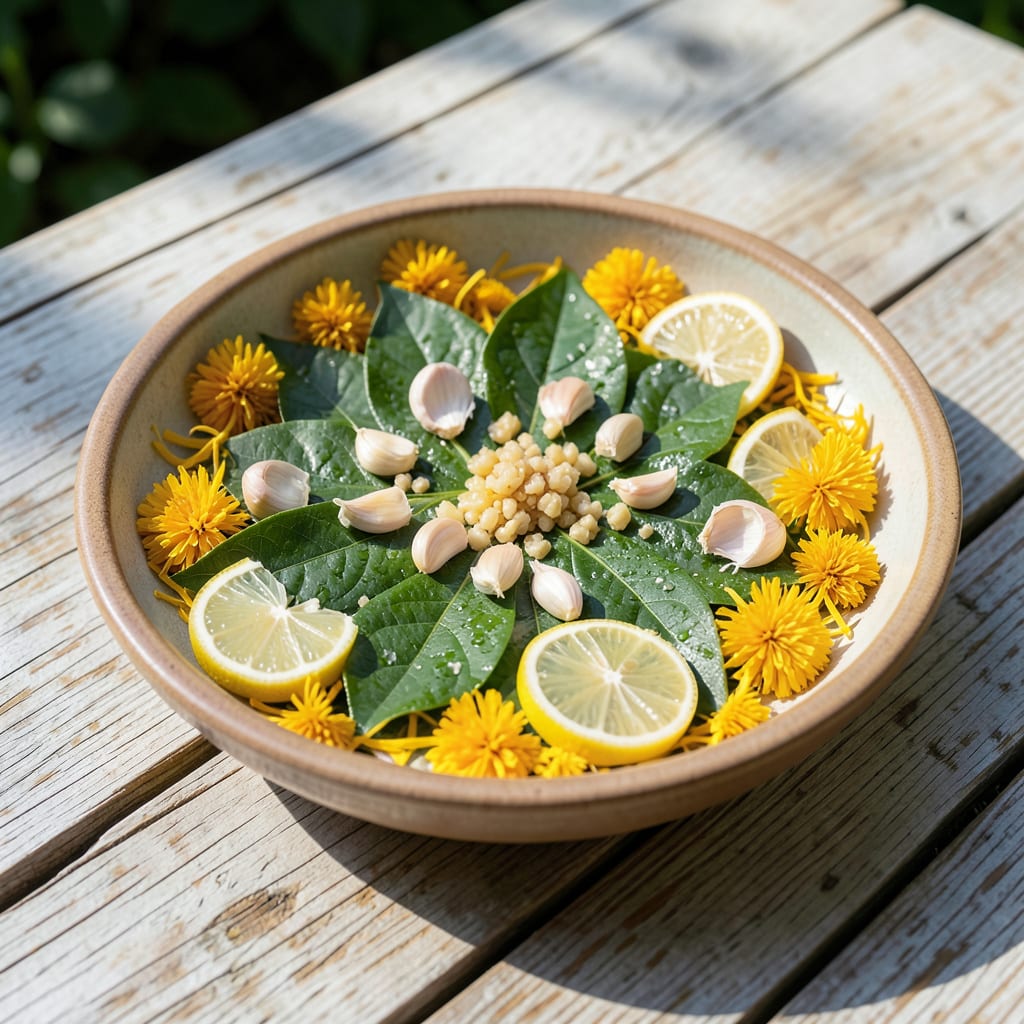
White flies turned my greenhouse into a flying circus last summer. I learned the hard way that chemical sprays create more problems than they solve.
This organic approach stops infestations fast without harming beneficial insects. The spray works on contact, so you see instant knockdown of adult flies while protecting your plants.
Works for tomatoes, peppers, and ornamentals alike. The best part? You likely already have the ingredients in your kitchen and garden shed.
Prevention tips keep them from coming back next season. No harsh chemicals, just effective, natural control.
White fly outbreaks don’t happen by chance—they’re the result of specific environmental and plant health conditions. Here’s why these pests show up and thrive in your garden:
White flies target stressed plants, especially those grown too close together. Dense foliage reduces airflow, creating a humid, sheltered environment they love. Weak or nutrient-deficient plants also emit chemical signals that attract pests, as their natural defenses (like tougher cell walls or bitter compounds) are compromised.
White flies reproduce rapidly in temperatures between 70–85°F (21–29°C) with high humidity (60% or above). These conditions speed up their life cycle—eggs hatch in just 3–5 days, and adults can lay up to 400 eggs in their lifetime. Greenhouses and indoor gardens are prime targets unless climate control is managed.
Over-fertilizing with nitrogen promotes lush, soft growth—exactly what white flies crave. Their mouthparts easily pierce tender new leaves to suck out sap. Switch to a balanced or phosphorus-rich fertilizer to toughen plant tissues and deter infestations.
In nature, white flies are kept in check by beneficial insects like ladybugs, lacewings, and parasitic wasps. However, broad-spectrum pesticides (even organic ones like neem oil, if misused) can wipe out these allies, leaving your garden defenseless. Encourage biodiversity to restore the natural balance.
Whiteflies can be stubborn, but these natural solutions will help you reclaim your garden without harsh chemicals. Below are targeted fixes for common causes, plus prevention tips to keep them from returning.
Whiteflies thrive in stagnant, humid conditions. Thin out dense foliage to boost airflow and reduce their hiding spots. Prune affected leaves and space plants farther apart. Prevention tip: 💡 Avoid over-fertilizing with nitrogen, which attracts whiteflies to lush, soft growth.
Healthy plants resist pests better. Apply neem oil or a garlic-water spray weekly to fortify leaves while repelling whiteflies. Mix 1 tbsp neem oil + 1 tsp mild soap + 1 quart water, and spray undersides of leaves (where eggs hide). Prevention tip: 🎯 Rotate crops yearly to disrupt whitefly life cycles.
Encourage natural enemies like ladybugs, lacewings, or parasitic wasps by planting dill, fennel, or alyssum. For quick knockdown, release Encarsia formosa (a tiny parasitic wasp) in greenhouses. Prevention tip: ✨ Avoid broad-spectrum pesticides that kill helpful insects.
Yellow sticky traps catch adults but won’t stop eggs. Combine them with a soapy water spray (1 tbsp castile soap + 1 quart water) to suffocate all life stages. Reapply every 4–5 days. Prevention tip: 🌡️ Check traps weekly and replace when covered in pests.
Consistency is key—repeat treatments until whiteflies are gone, and always inspect new plants before bringing them home!
Reapply every 4-5 days for active infestations, or weekly for prevention. Natural solutions break down quickly, so consistency is key to disrupting the whitefly life cycle.
Most natural treatments like soapy water or neem oil are safe when used correctly. Always spray in the early morning or late evening when pollinators are less active.
They may be hitching rides on new plants or hiding in garden debris. Always inspect new purchases and remove fallen leaves/weeds where eggs can overwinter.
Yes! A mix of 1 tablespoon dish soap + 1 quart water works well. For stronger action, add 1 teaspoon vegetable oil to suffocate pests. Shake well before each use.
