
Beautiful Plants For Your Interior
Beautiful Plants For Your Interior
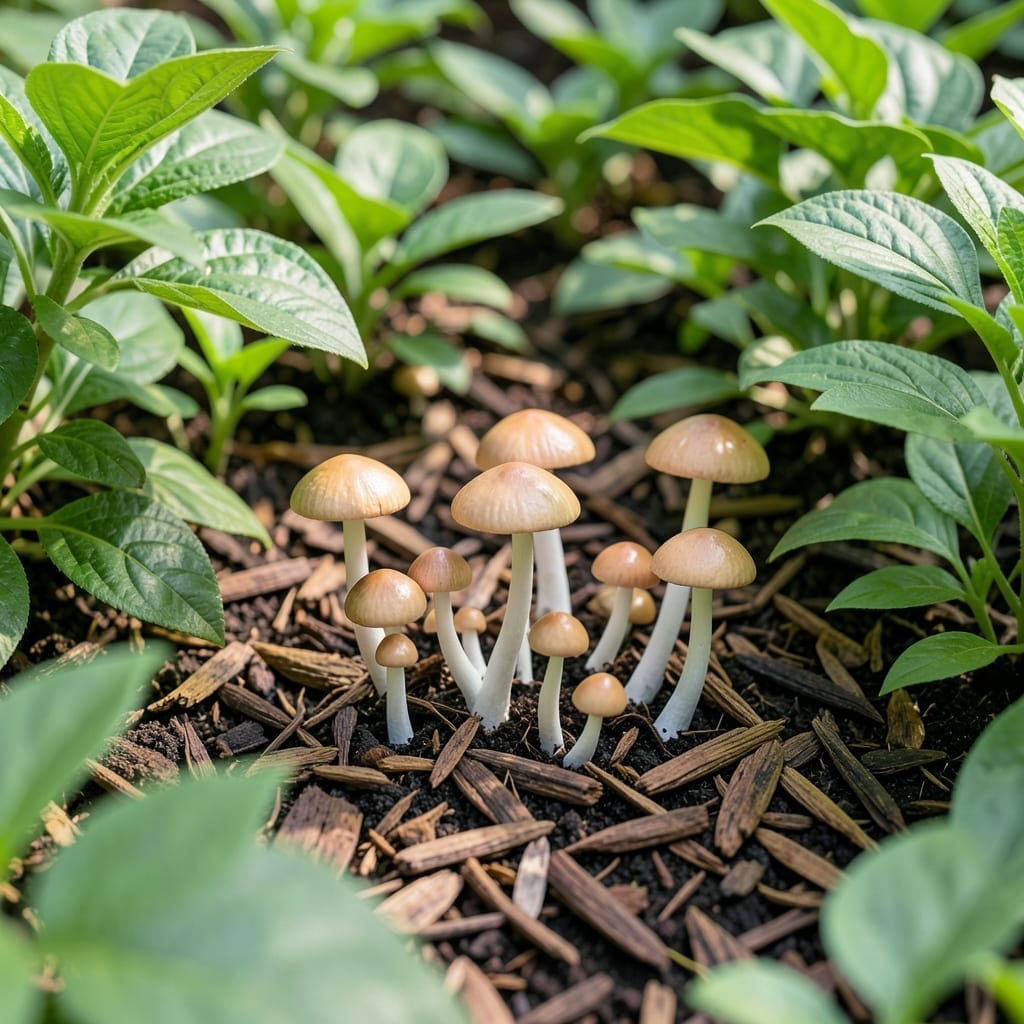
I spotted my first garden mushrooms last spring and panicked. Three days later, I realized they might be doing more good than harm in my soil.
Turns out these fungi are nature’s recyclers, breaking down organic matter into nutrients my plants actually crave. They also signal healthy soil life, which means your garden ecosystem is thriving.
That said, some varieties can compete with your plants or indicate overwatering. The key is knowing which ones to welcome and which to gently remove.
Here’s how to tell the difference and keep your garden in balance without reaching for chemicals.
Mushrooms appearing in your garden are a sign of active soil biology. Here’s a breakdown of the most common causes:
Mushrooms thrive on decomposing organic material like dead roots, fallen leaves, or buried wood. Fungi break down cellulose and lignin, releasing nutrients back into the soil. If you’ve recently added compost, mulch, or wood chips, this accelerates fungal growth.
Overwatering or poor drainage creates the damp, humid conditions fungi love. Compacted soil or heavy clay can trap moisture, while shaded areas with limited airflow also encourage mushroom growth. Check your irrigation habits if you spot frequent fungal appearances.
Healthy soil contains a vast network of mycorrhizal fungi, which form symbiotic relationships with plant roots. These fungi produce mushrooms as part of their reproductive cycle. If your garden has undisturbed soil, it’s likely hosting these beneficial—but visible—organisms.
Mushroom spores are everywhere, carried by wind, water, or even garden tools. Once they land in a suitable environment (rich in organic matter and moisture), they germinate. Disturbing soil or introducing contaminated compost can also introduce new spores.
Mushrooms in your garden can be a sign of healthy soil, but if they’re unwanted, here’s how to tackle the issue effectively. Start by addressing the root causes to prevent regrowth.
For small patches, pluck mushrooms by hand (wear gloves! 💡 Always wash hands afterward). Use a small trowel to dig out the mycelium network beneath the soil. For larger infestations, a natural vinegar solution (1 part vinegar to 4 parts water) can help kill spores—spray directly on the mushrooms and surrounding soil.
Mushrooms thrive in damp, shaded areas. Fix poor drainage by amending the soil with coarse sand or organic matter like compost. If the garden has low spots, consider installing a French drain or redirecting water flow with a gentle slope.
Trim back overhanging branches or relocate potted plants to sunnier spots. Mushrooms struggle in direct sunlight, so even a few extra hours of light can make a big difference. For shaded garden beds, opt for sun-loving plants to naturally reduce moisture and fungal growth.
Keep your garden clean by removing fallen leaves, wood chips, and other organic debris where mushrooms love to grow. Use a mulch that resists fungal growth, such as cedar chips or gravel. ✨ Pro tip: Avoid overwatering—let the top inch of soil dry out between waterings.
If mushrooms persist, test your soil. High organic content can encourage fungal growth, so balance it with inorganic materials like perlite or vermiculite.
Most garden mushrooms are harmless and even beneficial, as they break down organic matter into nutrients. However, some can compete with plants for resources. Always remove mushrooms growing directly against plant stems.
Yes, but wear gloves and remove the entire mushroom, including the base. For persistent growth, dig out the underlying mycelium to prevent regrowth. This works best for small patches.
Actually, the opposite! Mushrooms often indicate rich, active soil with plenty of organic matter. Their presence signals a thriving ecosystem, but excessive growth may suggest overwatering.
Mushrooms can spread if conditions are right, but they won’t “infect” your lawn like a disease. Improve drainage and reduce shade to discourage growth in unwanted areas.