
Beautiful Plants For Your Interior
Beautiful Plants For Your Interior
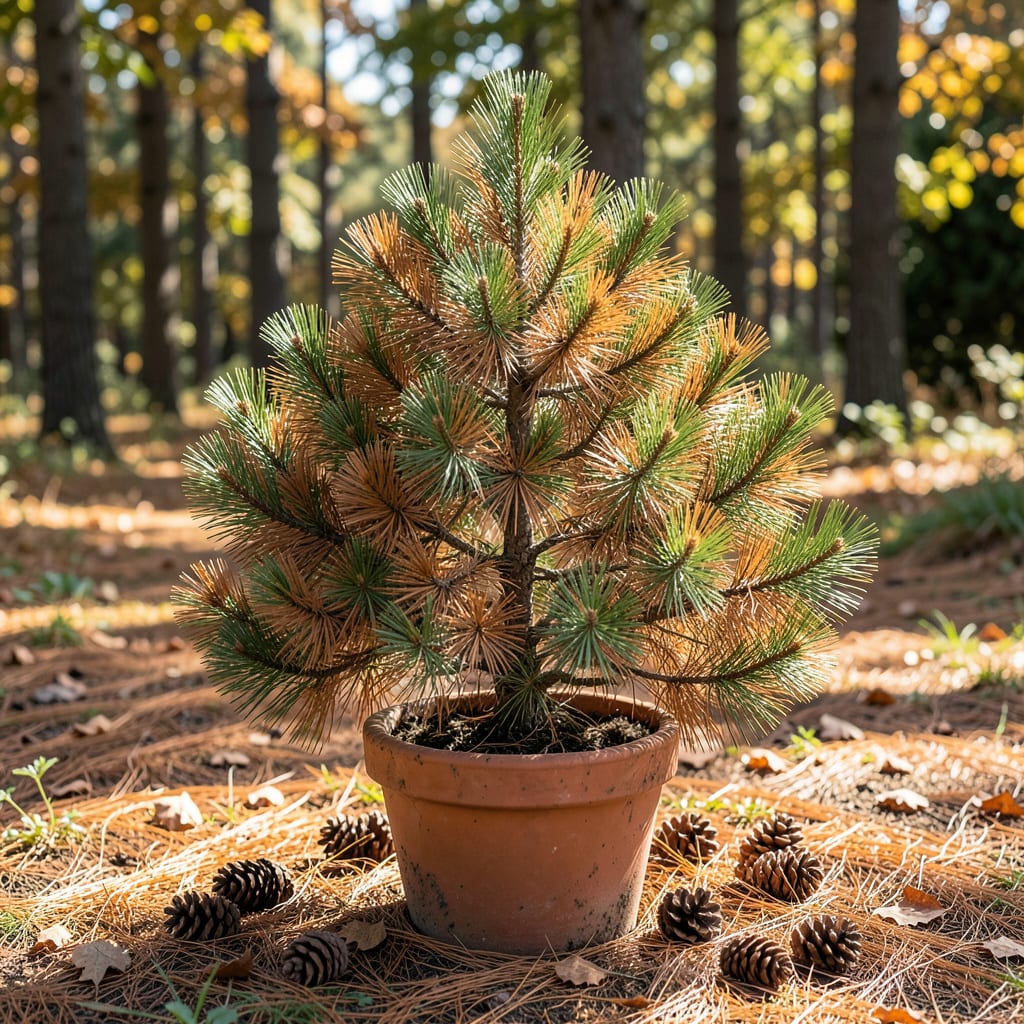
Nothing stings like seeing your mugo pine’s needles turn brown overnight. I’ve been there—staring at the discoloration, wondering if it’s disease, drought, or just bad luck.
Turns out, most browning comes from stress: too much water, too little, or the wrong kind of soil. Sometimes it’s pests hiding in the inner branches, other times it’s winter burn from last season’s cold snap.
The fix starts with diagnosis. Check the needles—are they brown at the tips or the base? Is it just one side of the plant? These clues point to different solutions.
Prevention is simpler than you think: consistent watering, proper mulching, and annual inspections keep most problems from starting. Let’s get your pine back to its vibrant green.
The discoloration of your mugo pine’s needles is often a sign of underlying stress. Here are the most common causes, each with distinct triggers and solutions:
Extreme temperatures, especially winter burn or heat scorch, can cause needles to turn brown. Mugo pines thrive in cool climates, and sudden temperature swings or prolonged exposure to freezing winds can damage their foliage. Drought stress is another culprit—when soil moisture drops, the pine conserves water by shedding needles, starting with the oldest (innermost) ones.
Fungi like Dothistroma (needle blight) or Lophodermium target mugo pines, creating brown or black bands on needles. These pathogens thrive in wet, humid conditions and spread rapidly without intervention. Infected needles often drop prematurely, leaving sparse, discolored patches.
Sap-sucking pests such as pine bark adelgids, spider mites, or scale insects weaken the tree by draining its nutrients. Their feeding causes stippling (tiny yellow or brown spots) that coalesce into larger brown areas. A heavy infestation can lead to needle drop and stunted growth.
Poor soil conditions—like compacted roots, waterlogged soil, or nutrient deficiencies (e.g., magnesium or iron)—can trigger browning. Mugo pines prefer well-draining, slightly acidic soil (pH 5.0–6.5). Over-fertilization, particularly with high-nitrogen blends, may also burn roots, manifesting as needle discoloration.
If your mugo pine is turning brown, act quickly to restore its health. Below are targeted solutions for the most common causes, paired with prevention tips to keep your pine vibrant.
Fix: Check the soil—if it’s soggy, stop watering immediately. Improve drainage by amending the soil with sand or organic matter. For potted mugos, ensure the container has drainage holes. If root rot is suspected, trim affected roots and repot in fresh, well-draining soil.
Prevent: Water only when the top 1-2 inches of soil are dry. Use a moisture meter to avoid guesswork.
Fix: Deeply water the pine at its base (not the needles) until the soil is moist 6-8 inches down. Mulch around the base with 2-3 inches of wood chips to retain moisture.
Prevent: Establish a consistent watering schedule, especially during dry spells. Young mugos need more frequent watering than mature ones.
Fix: Prune and destroy infected branches to prevent spread. Apply a copper-based fungicide in early spring or fall, following label instructions. Remove fallen needles and debris around the tree.
Prevent: Space plants for good airflow, and avoid overhead watering. Sterilize pruning tools between cuts.
Fix: Spray with horticultural oil or insecticidal soap for mites. For bark beetles, remove heavily infested branches and apply a systemic insecticide. Beneficial nematodes can target soil-dwelling pests.
Prevent: Keep your pine healthy—pests target stressed trees. Inspect regularly for early signs like sawdust-like frass or webbing.
Fix: Shield the pine from harsh winter winds with burlap wraps. In summer, provide afternoon shade for young or sensitive plants. Trim brown needles to encourage new growth.
Prevent: Plant mugos in a location with consistent conditions (e.g., not next to heat-reflecting walls). Use anti-desiccant sprays in late fall for winter protection.
💡 Pro Tip: Always sanitize tools and dispose of infected plant material far from your garden to avoid reinfection.
Not always. It can stem from drought stress, overwatering, or even winter burn. Check soil moisture and recent weather first.
If the inner branches are still green, prune dead areas and address the root cause. Severe cases may require professional help or removal.
Ensure well-draining soil, consistent watering, and annual inspections for pests. Mulch helps retain moisture.
Yes! Varieties like ‘Slowmound’ or ‘Pumilio’ often withstand stress better. Always choose disease-resistant cultivars.
