
Beautiful Plants For Your Interior
Beautiful Plants For Your Interior
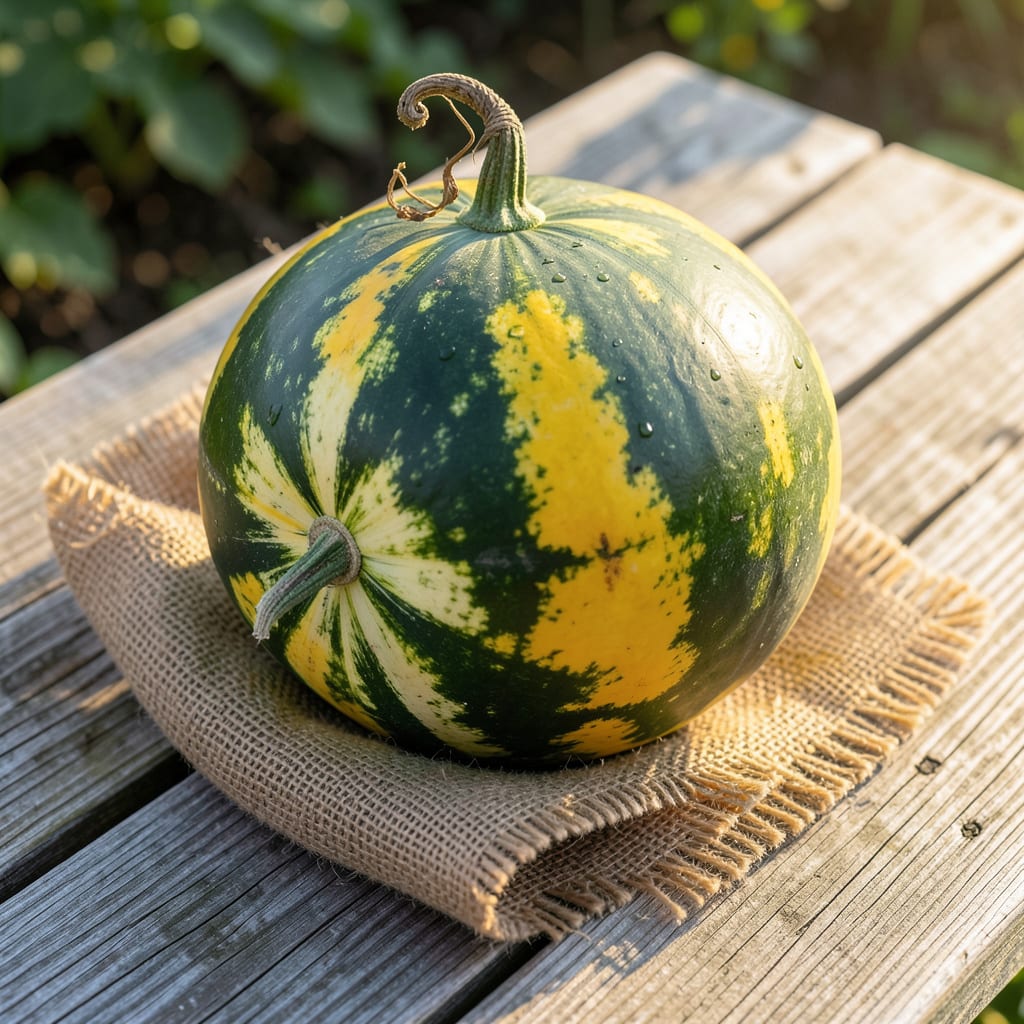
I’ve grown Mountain Sweet Yellow for five seasons now, and nothing beats that first golden-fleshed slice. The vines spread fast, so give them room to roam—at least 6 feet between plants.
Watch for the curly tendrils near the stem to turn brown, and the underside to cream from green. That’s your sign: it’s ripe, sweet, and ready for the table.
📚 In This Guide
Here’s how to recognize the exact moment your melons are at their peak sweetness and ready to pick.
Examine the curly tendril closest to the stem where the vine meets the fruit. When it turns completely brown and dried up, your watermelon is likely mature. This is the most reliable indicator I’ve found after years of growing.
Don’t confuse this with the stem itself—it’s the thin, curly growth right next to it. If it’s still green, give the melon another 3-5 days before checking again.
The spot where the melon rests on the ground (called the “ground spot”) should turn from white to a creamy yellow when ripe. For Mountain Sweet Yellow, this color change is especially noticeable against its pale rind.
You’ll also feel a slight roughening of the rind in that area. Press gently—if it gives slightly under pressure, it’s another good sign. The rind should feel firm but not rock-hard like an unripe melon.
Give the melon a firm tap with your knuckles. A ripe Mountain Sweet Yellow produces a deep, hollow sound—almost like tapping a drum. An unripe one sounds higher-pitched and metallic.
I practice this on a few melons to compare sounds. The difference becomes obvious once you’ve done it a few times. Trust your ears as much as your eyes.
As the melon reaches perfect ripeness, the stem may begin to separate slightly from the vine. Don’t pull it—just look for a small crack forming where the stem meets the fruit.
This is nature’s way of telling you the connection is weakening. Combined with the other signs, it’s a clear indicator that harvest time is near.
Lift the melon gently. A ripe Mountain Sweet Yellow feels surprisingly heavy for its size—this indicates high water and sugar content. Compare it to another melon of similar size that you know is unripe.
This final check works best when combined with the visual and auditory signs. When all these factors align, you can be confident you’re picking at the peak of perfection.
Small details make the difference between an average harvest and a perfect one.
The Tendril Test: In Step 1, that curly tendril near the stem is your best friend. I’ve learned the hard way that green tendrils mean the melon needs more time—wait until it’s completely brown and dry. If you’re unsure, give it the full 5 days before checking again.
Ground Spot Wisdom: For Step 2, the ground spot should be a rich creamy yellow, not pale or white. Press it gently—if it feels slightly soft, that’s a great sign. Between us, I’ve picked melons too early because I ignored this simple check.
Sound Check: Step 3’s tap test takes practice. A ripe Mountain Sweet Yellow sounds deep and hollow, like a drum. If it sounds metallic or high-pitched, walk away and check back in a day or two. Trust your ears on this one.
Weight Matters: Step 5’s weight test is the final confirmation. A ripe melon feels heavier than it looks. I like to compare it to another melon of similar size—if it’s noticeably heavier, you’re good to go.
Look for a creamy yellow spot where it touched the ground, a dull rind, and a dry, curly tendril near the stem. A deep, hollow sound when tapped also signals ripeness.
Harvest in the early morning when temperatures are cool to preserve sweetness. Typically, these watermelons mature 80-90 days after planting, depending on growing conditions.
Yes, but choose a large container (at least 5 gallons) with good drainage. Use a trellis for support, as vines can spread widely, and ensure full sun exposure.
Lack of sweetness can result from insufficient sunlight, overwatering, or harvesting too early. Ensure plants get 6-8 hours of sun daily and reduce water as fruits near maturity.
Try other yellow-fleshed varieties like Yellow Crimson or Yellow Doll. For similar sweetness, Sugar Baby or Crimson Sweet watermelons are great substitutes.
