
Beautiful Plants For Your Interior
Beautiful Plants For Your Interior
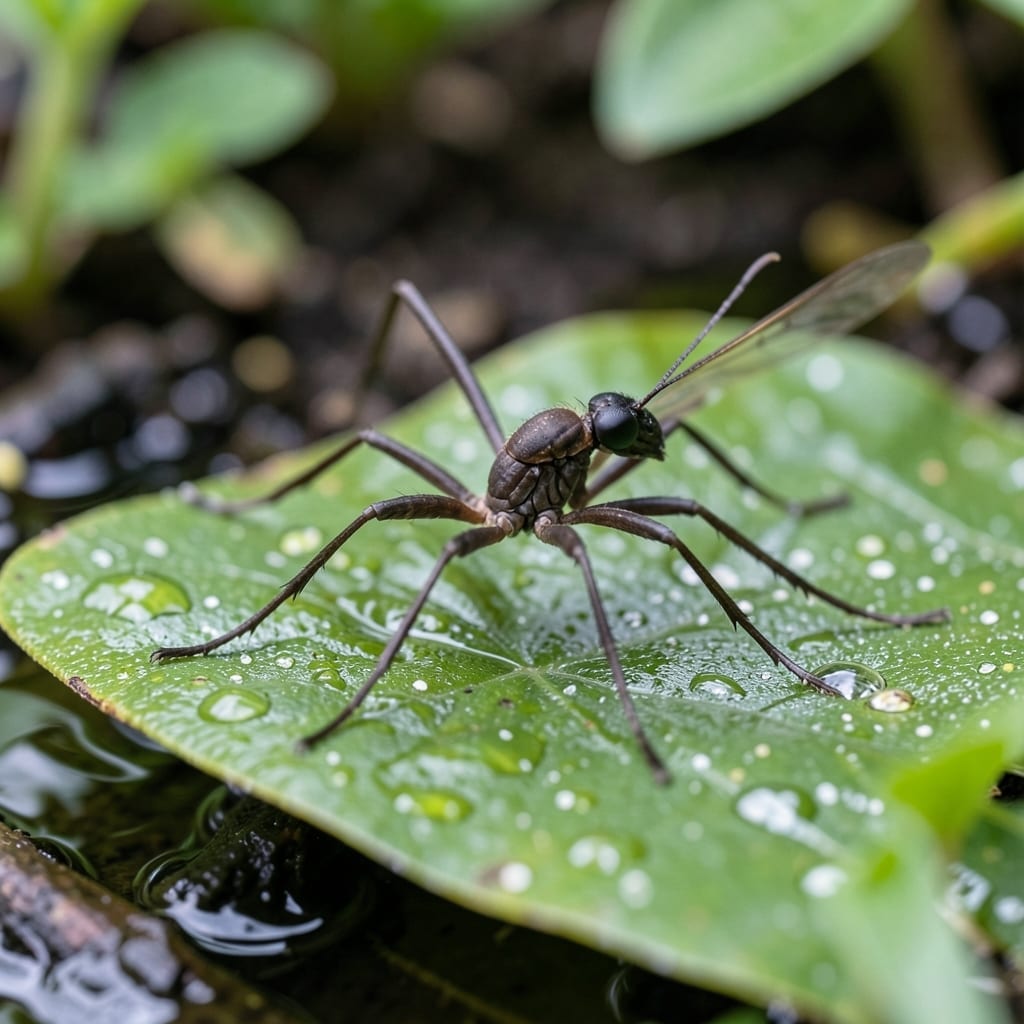
Stagnant water in my yard used to mean a summer of itchy bites. I found a natural larvicide that stops mosquitoes before they hatch, without harsh chemicals.
This solution works in birdbaths, rain barrels, or any standing water where mosquitoes breed. It targets larvae specifically, breaking their life cycle at the source.
Within 24-48 hours, you’ll see results—fewer adults emerging, fewer bites on your skin. The approach is safe for plants, pets, and beneficial insects.
Best part? It’s inexpensive, uses common materials, and keeps your outdoor space comfortable all season long.
Stagnant water is a mosquito’s dream home, and understanding why it happens helps you stop it at the source. Here are the key scientific reasons water becomes a breeding ground—and how stagnation plays a role.
Mosquitoes lay eggs in still water because their larvae can’t survive strong currents. Flowing water washes eggs away before they hatch, but stagnant pools (like in clogged gutters or old tires) provide a safe, undisturbed nursery. Even a thin layer of water in a plant saucer can become a hotspot if left untouched for 7–10 days.
Stagnant water often collects organic debris (leaves, dirt, algae) that feeds mosquito larvae and speeds up their growth. Warm temperatures (above 70°F/21°C) further accelerate their lifecycle, turning a puddle into a swarm in under a week. Shaded, undisturbed areas (like under decks) are prime spots for this cycle.
Artificial containers—bucket, tarps, toys, or even bottle caps—collect rainwater and hold it long enough for mosquitoes to breed. Unlike natural bodies of water (which may have predators like fish), these small, man-made pools lack ecosystems to control larvae populations.
Clogged drains, flat roofs, or improperly graded yards create standing water pockets that persist after rain. Mosquitoes can sense these areas from miles away, drawn by the moisture and lack of disruption. Even a partially blocked gutter can hold enough water to produce hundreds of adults.
Stagnant water is a breeding paradise for mosquitoes, but a few targeted fixes can turn the tide. Below are practical solutions mapped to common causes, plus prevention tips to keep your space mosquito-free.
Low spots in your yard or driveway can collect water after rain. Drain them by improving grading or fill them with soil or gravel. For small depressions, a bag of sand or pea gravel does the trick. Prevention tip: Check for puddles after heavy rain and address them before they become a problem.
Gutters filled with leaves and debris trap water, creating a perfect mosquito nursery. Clean them out regularly, especially in fall. Then, install gutter guards to keep debris out while allowing water to flow. Prevention tip: Inspect gutters every few months to catch blockages early.
Those little trays under potted plants hold water longer than you’d think. Empty them daily, or switch to self-watering planters with sealed reservoirs. Prevention tip: Use saucers with drainage holes or elevate pots to let excess water run off.
Stagnant water in unused pools or decorative fountains is a major mosquito magnet. Add a larvicide like Bacillus thuringiensis israelensis (Bti) to kill larvae naturally. Alternatively, cover the water with a tight-fitting tarp. Prevention tip: Run pumps or fountains regularly to keep water moving.
Mosquitoes can breed in as little as a bottle cap of water. Make it a habit to walk your property weekly, dumping any standing water you find. Even small fixes add up to a bite-free yard! ✨
Inspect your property weekly, especially after rain. Mosquitoes can breed in as little as 7-10 days. Pay special attention to hidden spots like under decks or behind sheds.
No, bleach is harmful to plants and wildlife. Instead, use natural larvicides like Bti (Bacillus thuringiensis israelensis) or introduce mosquito fish to larger water features.
Surprisingly, as little as a bottle cap of water can become a breeding site. Always empty containers, no matter how small, to prevent infestations.