
Beautiful Plants For Your Interior
Beautiful Plants For Your Interior
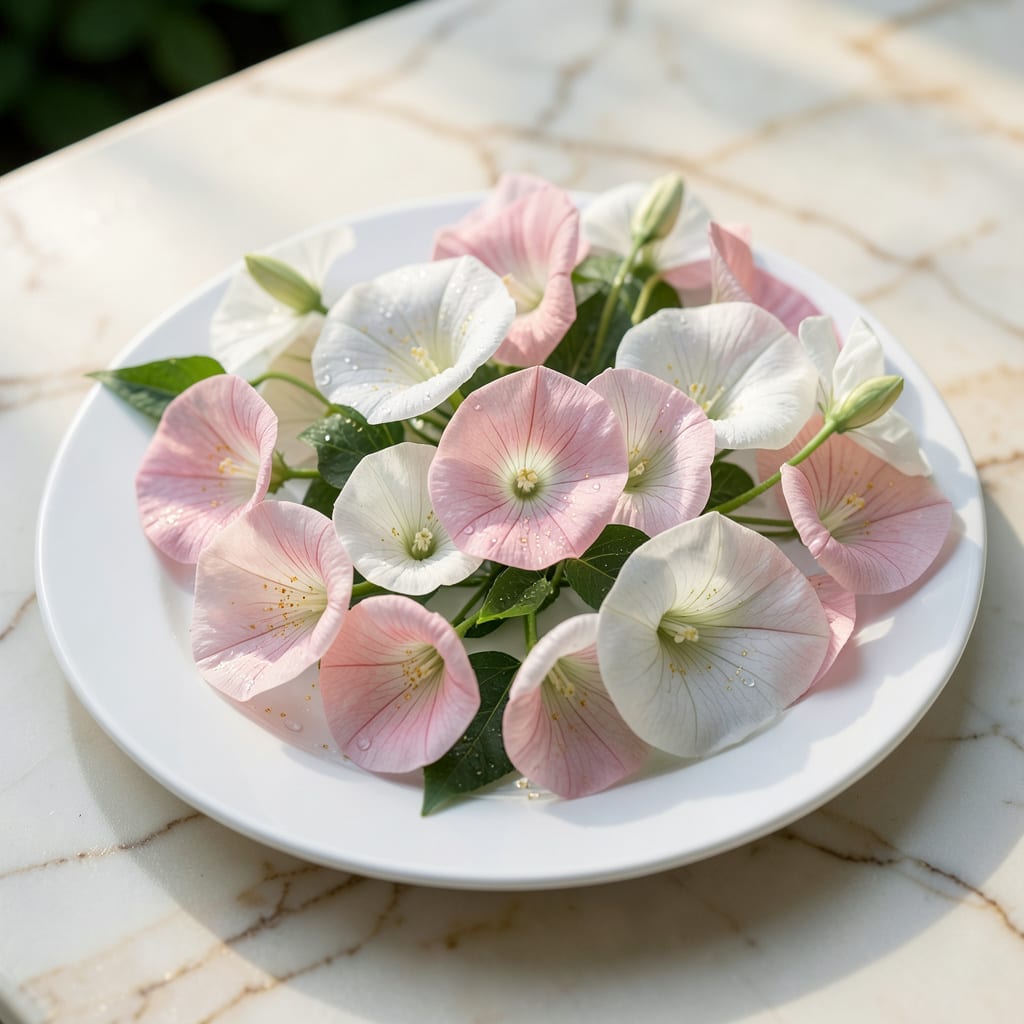
Pink and white morning glories climb with effortless grace. I planted my first trellis three seasons ago and still stop to admire the daily bloom show at dawn.
These vines thrive in full sun with minimal fuss—just give them well-draining soil and consistent moisture. You’ll get 6-foot climbers covered in bicolor blossoms by midsummer, with almost no maintenance required.
📚 In This Guide
Here’s the method I use every year to cultivate these stunning bicolor blooms with consistent success.
Morning glories thrive in full sun with at least 6-8 hours of direct light daily. I always select a spot with a trellis or fence for their vines to climb—these plants can reach 10-15 feet in a single season. Plant after the last frost when soil temperatures hit 65°F or warmer.
Real talk: morning glories hate cold soil. If you plant too early, seeds will rot before germinating. I wait until daytime temperatures consistently stay above 60°F. The soil should feel warm to the touch, not chilly.
Work the soil to a depth of 12-15 inches, removing any debris or weeds. Morning glories aren’t picky about soil quality, but they perform best in well-draining, slightly acidic to neutral soil (pH 6.0-7.0). I amend with compost for better fertility.
Sow seeds ½ inch deep and 6 inches apart. Plant 2-3 seeds per hole, then thin to the strongest seedling once they reach 2-3 inches tall. Water gently after planting—morning glory seeds have a hard coat, so don’t let the soil dry out during germination.
Keep soil evenly moist during the first 2-3 weeks until germination. Once established, morning glories are drought-tolerant—I water mine deeply once a week unless we’ve had significant rain. Always water at the base to prevent fungal issues.
Here’s the thing—morning glories wilt dramatically in extreme heat, but they usually perk up by evening. If they stay wilted, that’s your sign to water. The soil should feel dry to the touch at 1-inch depth between waterings.
As vines grow, gently twine them around your support structure. Morning glories are self-clinging, but I give them a little help the first few times to ensure they take hold. Space supports at least 12 inches apart to allow for air circulation.
I know it seems weird, but you can also let them sprawl as ground cover if you prefer. Just be aware that sprawling vines are more susceptible to slugs and snails. A trellis keeps blooms elevated and more visible.
Pinch back the tips of vines when they reach 2-3 feet long to encourage bushier growth and more flowers. This is the moment that matters: regular deadheading spent blooms prevents seed formation, which signals the plant to keep producing flowers.
Don’t skip this (I learned the hard way). Without pruning, morning glories can become leggy with fewer blooms. Use clean, sharp shears to make cuts just above a leaf node at a 45-degree angle.
Took me a few seasons to figure these out, so let me save you the trial and error.
The Heat Factor: Don’t rush planting even if daytime temps hit 60°F. I learned the hard way that soil temperature needs to be consistently at least 65°F for reliable germination. Cold soil causes seed rot, and those hard-coated morning glory seeds won’t forgive an early start. Wait until the earth feels warm to your touch.
Depth and Spacing Matters: Planting seeds ½ inch deep might seem shallow, but any deeper and they struggle to emerge. The 6-inch spacing is equally crucial—crowded seedlings compete for light and produce fewer blooms. Thin to the strongest seedling when they reach 2-3 inches tall, as directed in Step 2.
Watering Wisdom: During those critical 2-3 weeks until germination, keep soil evenly moist but never soggy. Morning glory seeds have that hard coat for a reason—they need consistent moisture to break dormancy. Once established, they’re surprisingly drought-tolerant, as Step 3 explains, but never let the soil dry completely at 1-inch depth.
The Support System: Those 10-15 foot vines need sturdy support from day one. I use trellises spaced 12 inches apart for optimal air circulation. Train the vines early by gently twining them around the structure—morning glories are self-clinging but benefit from initial guidance as mentioned in Step 4.
Morning glories thrive in full sun and well-draining soil. Water them regularly but avoid overwatering. Use a trellis for support, as they’re climbing vines. Fertilize lightly to encourage vibrant blooms.
These beauties typically bloom from early summer to fall. Expect flowers to open in the morning and close by afternoon, hence the name “morning glory.”
Yes! Choose a large container with drainage holes. Use a trellis or stakes to guide their growth. Potted morning glories need consistent watering and sunlight to flourish.
Lack of sunlight, over-fertilizing, or too much nitrogen can delay blooms. Ensure they get 6+ hours of sun daily and use a balanced fertilizer sparingly.
Try Clematis or Sweet Pea for bicolor pink-and-white blooms. Both offer a similar aesthetic and can climb trellises, though their care needs may differ slightly.
