
Beautiful Plants For Your Interior
Beautiful Plants For Your Interior
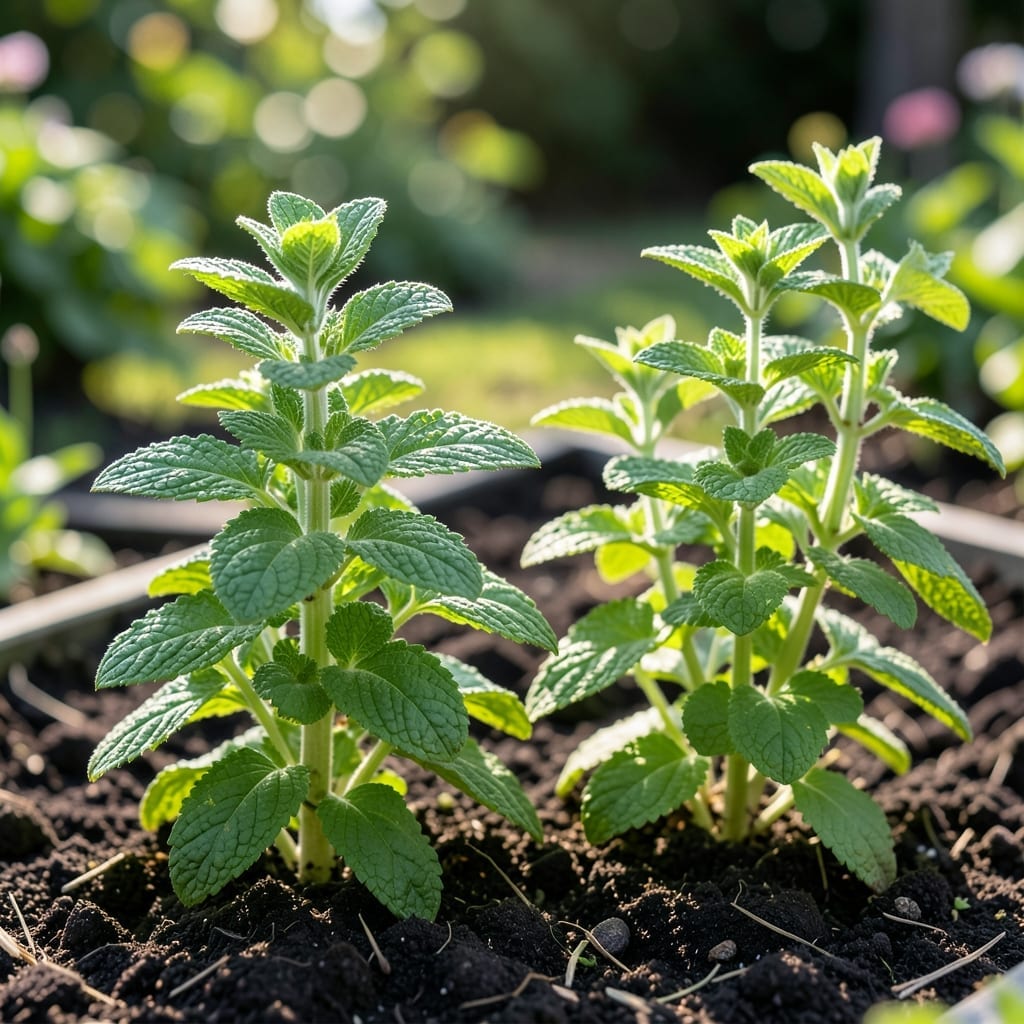
You’ve probably reached for Mint 🌿 in a recipe only to wonder if spearmint would work just as well. The truth is, these two herbs aren’t interchangeable, and the differences might surprise you.
While both belong to the same plant family, their distinct flavors and growth habits can make or break your dish or garden. One brings a bold, almost spicy kick, while the other offers a sweeter, more delicate profile.
Choosing between them isn’t just about taste—it’s about understanding how each thrives in your space. Whether you’re planting in zone 6 or just picking the right herb for your next cocktail, the details matter.
Discover how to tell them apart and which one will give you the best results in your garden and kitchen. Let’s dig in.
Many gardeners assume mint and spearmint are the same, but they have distinct botanical traits. Both belong to the Mentha family, yet their genetic differences create unique growth patterns.
Peppermint (often called mint) is a hybrid of watermint and spearmint, while spearmint is a pure species. This distinction affects their flavor profiles and garden performance
| Feature | Mint (Peppermint) | Spearmint |
|---|---|---|
| Scientific Name | Mentha × piperita | Mentha spicata |
| Leaf Shape | Oval, serrated edges | Lance-shaped, pointed |
| Flavor Profile | Sharp, intense, cooling | Sweet, mild, fresh |
| Growth Habit | Aggressive spreader | Moderate spreader |
| Mature Height | 2-3 feet | 1-2 feet |
| Stem Color | Purple-tinged | Green |
I notice peppermint’s higher menthol content gives it that bold, cooling sensation we associate with strong mint flavors. This makes it perfect for medicinal uses and aromatherapy.
Spearmint, with its gentler taste, is often preferred for culinary applications. Its sweeter notes complement teas and savory dishes beautifully
The leaf structure also differs significantly. Peppermint leaves are typically darker green with reddish stems, while spearmint has brighter green leaves and green stems
In my garden, I’ve found peppermint tends to spread more aggressively. I recommend planting it in containers to prevent it from overtaking other plants
Spearmint is slightly more controllable in garden beds, though both benefit from regular pruning. This helps maintain bushier growth and prevents legginess
When choosing between them, consider your primary use. For strong flavor and medicinal benefits, peppermint is ideal. For versatile cooking, spearmint is my go-to
Both thrive in moist, well-draining soil and partial shade, but peppermint can handle full sun better in cooler climates
Both mint and spearmint thrive in moist, well-draining soil with a pH of 6.0-7.0. I’ve found they prefer partial shade but tolerate full sun in cooler climates. Spearmint handles drier conditions slightly better than mint.
For watering, keep the soil consistently moist but not soggy. I water my plants weekly in spring and fall, increasing to 2-3 times weekly during hot summers. Both herbs spread aggressively, so I recommend container gardening or underground barriers.
| Requirement | Mint | Spearmint |
|---|---|---|
| Sunlight | Partial shade | Partial to full sun |
| Water Needs | High | Moderate |
| Soil pH | 6.0-7.0 | 6.0-7.0 |
| USDA Zones | 5-9 | 5-9 |
| Propagation | Cutting/root division | Cutting/root division |
I always mulch around my mint plants to retain moisture and suppress weeds. For fertilizing, a balanced 10-10-10 works well, applied every 4-6 weeks during the growing season. Spearmint benefits from light pruning to encourage bushier growth.
Both herbs are perennial in zones 5-9, so they’ll return yearly with proper care. I’ve noticed mint tends to spread faster than spearmint, so regular pruning is essential to control its growth.
For container gardening, choose pots at least 12 inches deep with drainage holes. I use terracotta pots for their breathability, which helps prevent root rot.
Harvest regularly to promote new growth. I snip stems just above a leaf node to encourage bushier plants. Always harvest in the morning after the dew dries for the best flavor 🌿