
Beautiful Plants For Your Interior
Beautiful Plants For Your Interior
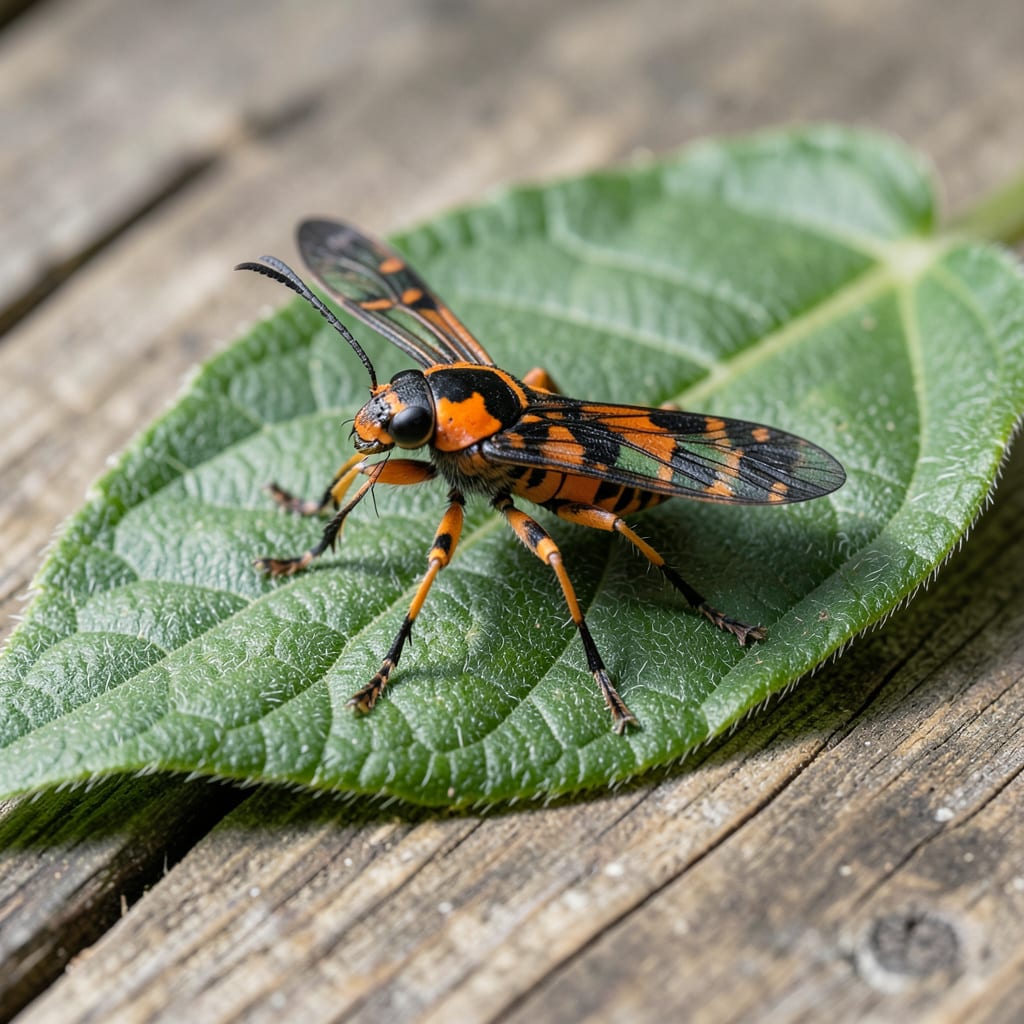
Those bright orange and black bugs on your milkweed aren’t just visitors—they’re trouble. 🌿 I first noticed them last summer, and within days, my plants looked like lace curtains.
These pests multiply fast, chewing leaves and stems while sapping plant strength. The damage looks worse than it is at first, but left unchecked, they’ll weaken milkweed enough to kill it.
Organic control works best here. Hand-picking, soapy water sprays, and removing eggs early stops the cycle without chemicals. It’s simple, effective, and keeps pollinators safe.
Your milkweed can recover quickly with the right approach. Here’s how to send them packing for good.
The appearance of the orange and black milkweed bug (Oncopeltus fasciatus) on your plants is no accident. These insects are naturally drawn to milkweed, but certain conditions make infestations more likely. Below are the primary causes, explained with actionable insights.
Milkweed bugs thrive on—you guessed it—milkweed plants. These bugs have specialized mouthparts designed to pierce milkweed stems and feed on their toxic sap. If your garden or nearby areas have abundant milkweed (especially common milkweed, Asclepias syriaca), the bugs will flock to it. The more milkweed you grow, the higher the chance of an infestation.
These bugs are most active in warm, dry climates. Late spring to early fall, when temperatures range between 75–90°F (24–32°C), is peak season for milkweed bugs. Dry conditions reduce the risk of fungal infections (which can harm their eggs), making it easier for populations to grow unchecked.
In balanced ecosystems, predators like birds, spiders, and parasitic wasps keep milkweed bug numbers in check. However, if your garden lacks biodiversity or uses broad-spectrum pesticides, these natural controls disappear. Without predators, milkweed bugs reproduce rapidly, leading to noticeable infestations.
Milkweed bugs overwinter as adults in leaf litter, under bark, or in other sheltered spots. Mild winters or poor garden cleanup (leaving dead plant debris) increase their survival rates. Come spring, a larger surviving population means more bugs ready to infest new milkweed growth.
If you’ve spotted the milkweed orange and black bug with wings (likely the Large Milkweed Bug), don’t panic—these pests are more of a nuisance than a major threat. Here’s how to tackle them effectively while keeping your garden and milkweed plants healthy.
For small infestations, the simplest solution is manual removal. Wear gloves and pluck the bugs off plants, dropping them into a bucket of soapy water. Check undersides of leaves and stems, as eggs and nymphs often hide there. Do this early in the morning when bugs are less active.
Mix 1 tablespoon of mild liquid soap (like Castile) with 1 quart of water in a spray bottle. Lightly mist affected plants, focusing on bug clusters. The soap disrupts their cell membranes, causing dehydration. Reapply every 2–3 days until the population dwindles. Avoid harsh chemicals—they can harm pollinators like monarch butterflies that rely on milkweed.
Encourage beneficial insects like ladybugs, lacewings, and assassin bugs, which prey on milkweed bugs. Plant companion flowers (e.g., dill, fennel, or marigolds) to attract these allies. A diverse garden ecosystem keeps pest numbers in check naturally.
With consistent effort, you can manage these bugs without harming your garden’s balance. 🌿
No, they don’t directly harm monarchs. These bugs feed on milkweed sap, not caterpillars or eggs. However, heavy infestations can weaken plants, reducing food for monarchs.
Milkweed bug eggs are tiny, white to pale yellow, and laid in clusters on stems. Monarch eggs are cream-colored, single, and found on leaf undersides.
No, they’re milkweed specialists. Their mouthparts are adapted only for milkweed sap, so they won’t spread to tomatoes, roses, or other plants.
Yes, but wear gloves—they release a foul-smelling liquid when threatened. Dropping them in soapy water is cleaner and just as effective.
