
Beautiful Plants For Your Interior
Beautiful Plants For Your Interior
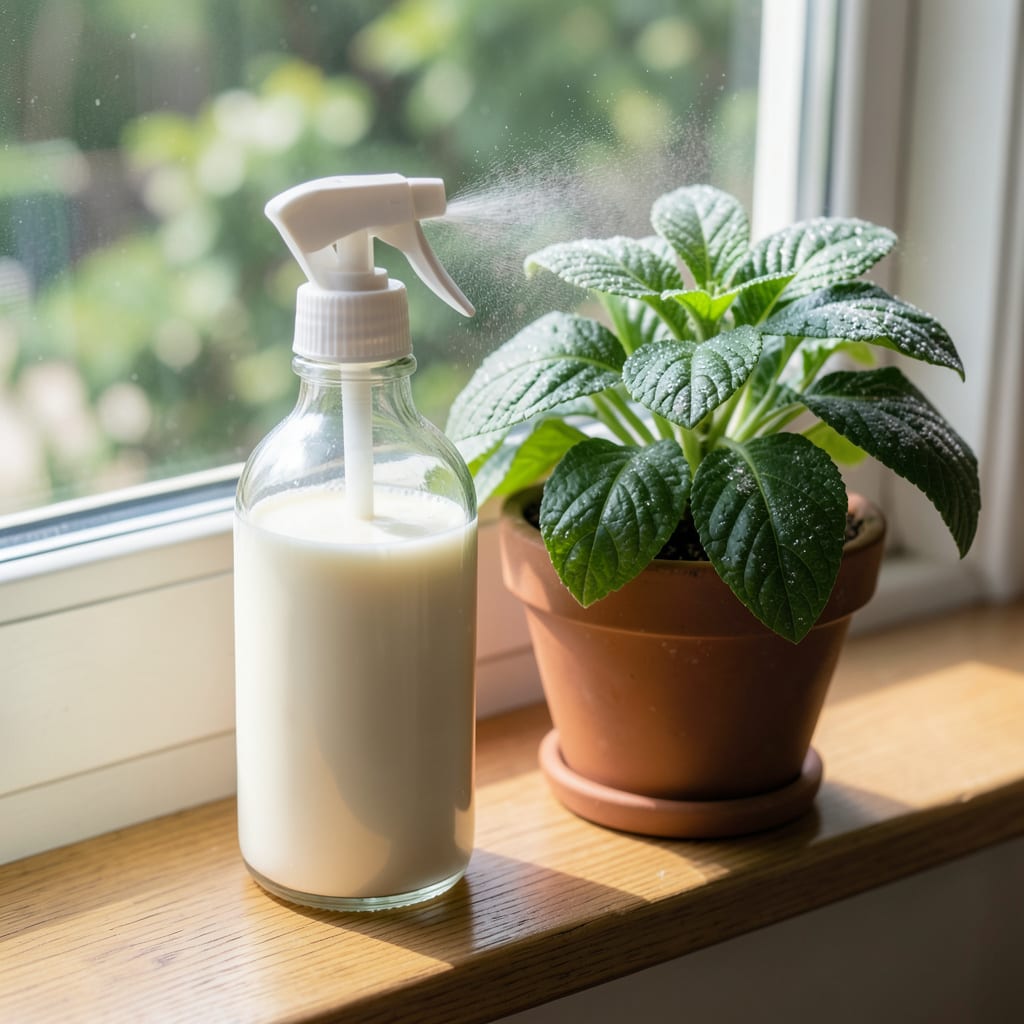
That white powder on your leaves isn’t dust—it’s trouble. I lost half my zucchini crop to powdery mildew before discovering this simple milk remedy. It sounds too easy to work, but the science checks out.
The proteins in milk create an environment that stops fungus in its tracks. Mix 1 part milk with 9 parts water and spray weekly. No chemicals, no fancy equipment—just results.
Your plants bounce back with healthier foliage within days. The spray prevents new spores from taking hold while strengthening existing leaves against infection.
Works on roses, cucumbers, and most garden favorites. Best applied in morning sun to dry quickly and avoid leaf burn.
Powdery mildew thrives under specific conditions, often catching gardeners off guard. Understanding its root causes helps you prevent and treat it effectively. Here’s why it happens:
This fungal disease flourishes in humid environments (60-80% relative humidity) with stagnant air. When moisture lingers on plant surfaces—especially in crowded gardens or greenhouses—spores germinate rapidly. Solution: Improve ventilation with fans or spacing, and water plants at the base to keep foliage dry.
Powdery mildew loves temperature swings: warm days (70-80°F) paired with cool, dew-laden nights create ideal conditions. The fungus Oidium or Erysiphe species thrive in this cycle, spreading via wind or splashing water. Action step: Monitor weather patterns and apply preventive sprays (like milk solution) before outbreaks.
Some plants are genetically prone to infection, including roses, cucumbers, squash, and grapes. Their leaf surfaces may lack natural defenses or have dense canopies that trap moisture. Pro tip: Choose resistant cultivars (e.g., powdery mildew-resistant zucchini) or prioritize milk spray for high-risk species.
Over-fertilizing with nitrogen promotes lush, soft growth—perfect for fungal invasion. Conversely, low potassium or phosphorus weakens plant cell walls. Fix: Use balanced organic fertilizers and avoid late-season nitrogen applications.
By addressing these triggers, you can reduce reliance on treatments and keep your garden mildew-free naturally.
Powdery mildew can be frustrating, but these targeted solutions will help you treat and prevent outbreaks effectively. Below, we break down fixes by cause and share practical prevention tips.
Stagnant air encourages fungal growth. Fix it: Space plants apart to allow airflow, and prune dense foliage. Use a small fan on low to keep air moving in greenhouses or indoor gardens. Prevention tip: 💡 Avoid overcrowding plants—give them room to breathe!
Powdery mildew thrives in humid conditions. Fix it: Water plants at the base in the morning so leaves dry quickly. Use a dehumidifier if growing indoors. Prevention tip: 🌡️ Aim for humidity levels below 60% for most plants.
Stressed or malnourished plants are more susceptible. Fix it: Apply a balanced fertilizer to strengthen plants. Remove heavily infected leaves to stop the spread. Prevention tip: ✨ Keep plants healthy with regular feeding and proper sunlight.
For active infections, a milk spray works as a natural fungicide. Fix it: Mix 1 part whole milk with 9 parts water and spray on affected leaves weekly until the mildew clears. Prevention tip: 🎯 Reapply after rain or heavy dew for continued protection.
Consistency is key—address the root cause and stay proactive to keep powdery mildew at bay!
Spray affected plants weekly for active infections. For prevention, apply every 10-14 days. Always reapply after rain or heavy dew to maintain protection.
Whole milk works best due to its higher protein content. Skim milk is less effective. Avoid plant-based milks as they lack the necessary compounds to combat fungus.
Yes, it’s safe for most garden plants like roses, cucumbers, and squash. Test on a small area first for sensitive varieties. Never apply in direct midday sun to prevent leaf burn.
The proteins in milk create an inhospitable environment for spores. When exposed to sunlight, they produce hydrogen peroxide, which acts as a natural fungicide. Simple but powerful!
