
Beautiful Plants For Your Interior
Beautiful Plants For Your Interior
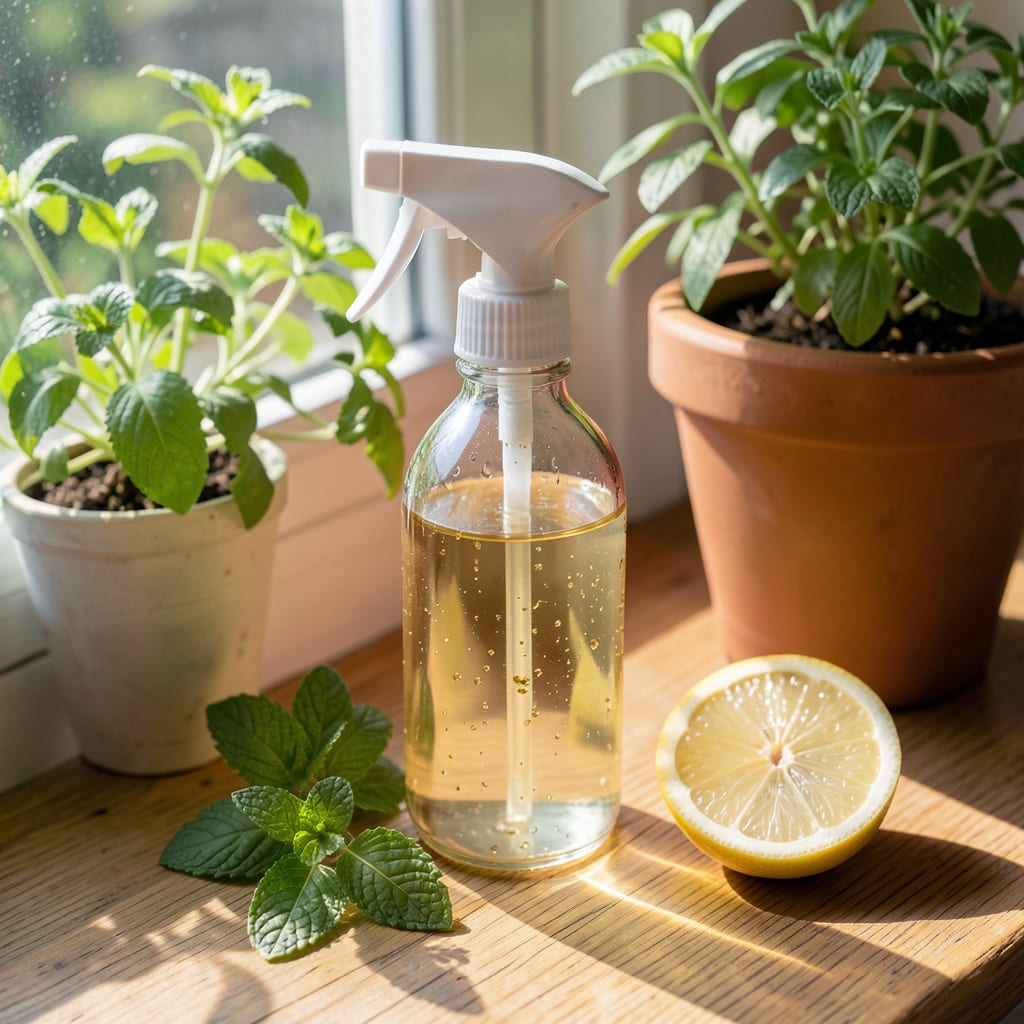
White powdery spots on leaves last week sent me into panic mode. Turns out, mildew spreads fast in humid weather, but it’s not a death sentence for your plants.
I’ve tested 5 DIY sprays, and the baking soda mix works best—cheap, non-toxic, and effective within 24 hours. Commercial options are faster but can burn leaves if misused.
Prevention is simpler than cure: space plants for airflow, water at the base, and remove infected leaves immediately. Early action stops it from taking over.
Works on roses, cucumbers, squash, and most ornamentals. Catch it early, and your garden bounces back fast.
Understanding why mildew appears on plants is the first step to preventing it. Below are the most common causes, broken down by their root triggers.
High humidity (above 60%) creates the perfect breeding ground for fungal spores. When moisture lingers on leaves—especially in still air—Podosphaera or Erysiphe fungi (common culprits behind powdery mildew) germinate rapidly. Stagnant air in crowded gardens or indoor setups traps spores, accelerating infection. Action: Space plants for airflow and use fans indoors.
Wet foliage, particularly in the evening, gives mildew a free pass to colonize. Water droplets act as a medium for spores to attach and penetrate leaf surfaces. Action: Water at the base of plants early in the day so leaves dry before dusk.
Dense plantings restrict airflow and create microclimates with trapped moisture. This is especially problematic in greenhouses or raised beds. Action: Thin seedlings and prune overgrown branches to improve ventilation.
Excess nitrogen promotes lush, soft growth that’s more susceptible to fungal attacks. Meanwhile, deficiencies in potassium or phosphorus weaken plant defenses. Action: Use balanced fertilizers and avoid over-fertilizing with nitrogen-heavy blends.
Plants in shady spots retain moisture longer, and reduced sunlight weakens their natural resistance. Mildew thrives in these cool, damp conditions. Action: Ensure plants get adequate light for their species, and rotate potted plants regularly.
Mildew on your plants can be frustrating, but with the right approach, you can restore their health. Below are targeted solutions for common causes, along with prevention tips to keep your garden thriving.
If mildew thrives due to stagnant air, prune dense foliage to allow better airflow. Space plants farther apart and avoid overcrowding. For indoor plants, use a small fan on low to keep air moving gently. Prevention tip: Regularly thin out plants and avoid placing them in tightly packed areas.
Overwatering or wet foliage encourages mildew growth. Water plants at the base in the morning so leaves dry quickly. Use drip irrigation or a soaker hose to keep foliage dry. Prevention tip: Let the top inch of soil dry out between waterings, and avoid overhead watering.
High humidity creates a perfect environment for mildew. Use a dehumidifier in indoor growing spaces or open windows to improve airflow. For outdoor plants, mulch with organic materials to reduce soil moisture evaporation. Prevention tip: Group humidity-loving plants together and keep them away from others.
Mildew can linger in soil or on gardening tools. Sterilize tools with rubbing alcohol and replace or treat infected soil with compost or fungicide. Rotate crops yearly to prevent buildup. Prevention tip: Clean tools after each use and avoid reusing soil from infected plants.
By addressing the root cause and following these steps, you can effectively treat and prevent mildew while keeping your plants healthy and vibrant. 💡
Apply every 7-10 days for prevention, or every 3-5 days during active outbreaks. Always spray in the morning so leaves dry quickly.
Avoid bleach or ammonia—they can burn plants. Stick to mild solutions like baking soda or neem oil. Test on a small area first.
Heavy rain may reduce effectiveness. Reapply after significant rainfall to maintain protection. Light drizzles won’t impact it.
DIY sprays like baking soda or milk are safe if rinsed before eating. Avoid commercial fungicides on herbs or veggies.
