
Beautiful Plants For Your Interior
Beautiful Plants For Your Interior
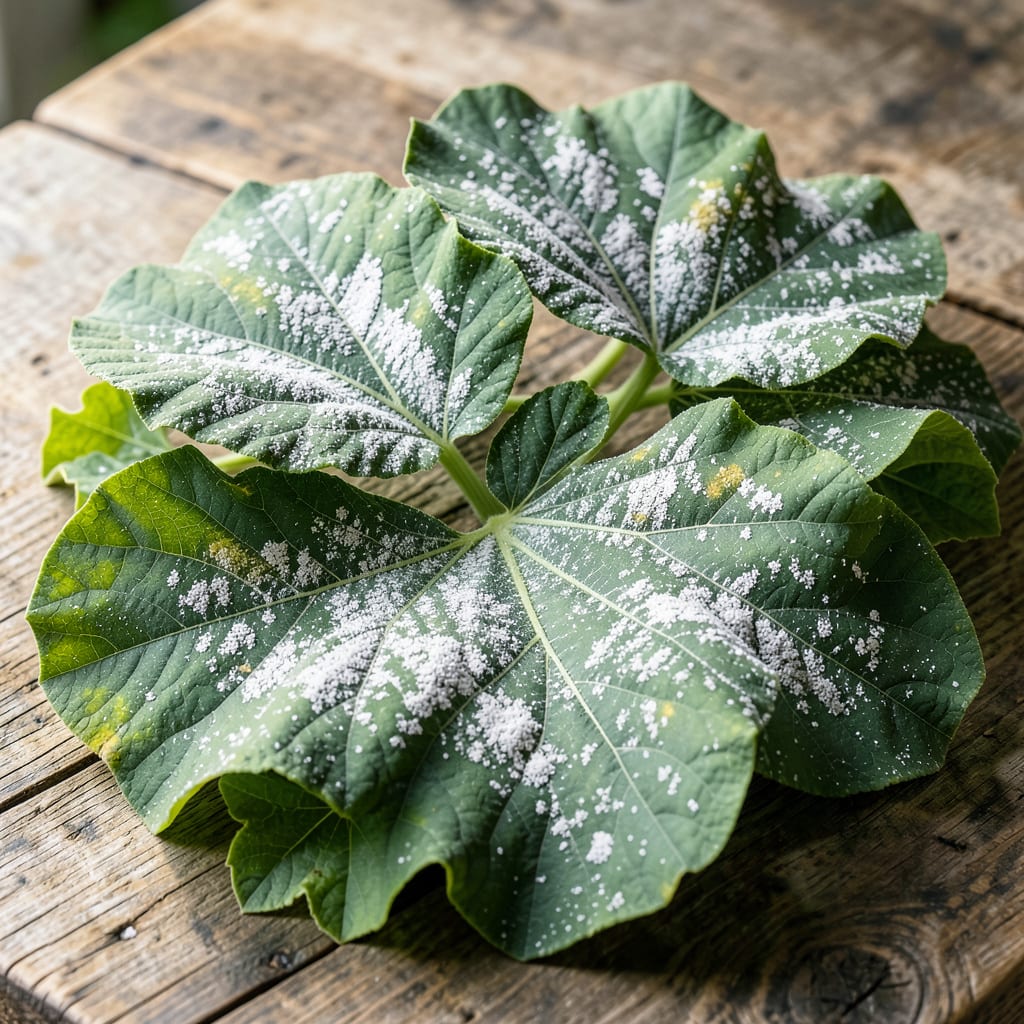
White spots on your pumpkin leaves mean trouble. I’ve lost entire patches to mildew before learning the simple prevention tricks that keep vines thriving all season.
This sneaky fungus spreads fast in warm, humid weather, but the right watering and spacing habits stop it cold. Most gardeners overlook morning watering—it makes all the difference.
You’ll spot the first signs as powdery white patches on upper leaves. Catch it early and your plants bounce back within 7-10 days with the right treatment.
Works for all pumpkin varieties, from jack-o’-lanterns to pie types. Here’s how to keep your patch clean and productive.
Mildew on pumpkin leaves thrives under specific environmental and cultural conditions. Understanding these triggers helps you prevent and manage outbreaks effectively.
Pumpkin mildew, particularly powdery mildew, flourishes in environments with relative humidity above 60%. Stagnant air traps moisture around the leaves, creating ideal conditions for fungal spores to germinate. Crowded plantings or dense foliage restrict airflow, exacerbating the problem. Space vines 3–5 feet apart and prune excess growth to improve ventilation.
Watering from above leaves foliage damp for extended periods, inviting fungal growth. Downy mildew, in particular, thrives in wet conditions. Always water at the base of the plant using drip irrigation or a soaker hose. If overhead watering is unavoidable, do it early in the day so leaves dry quickly under the sun.
Mildew spores activate in moderate temperatures (60–80°F), especially when coupled with high humidity. Sudden drops in nighttime temperatures can also stress plants, making them more susceptible. Use row covers in cooler evenings to stabilize conditions and reduce stress on vines.
Excess nitrogen promotes lush, soft growth that’s more vulnerable to mildew. Meanwhile, low potassium or phosphorus levels weaken plant defenses. Conduct a soil test and amend with a balanced fertilizer (e.g., 10-10-10) to ensure robust, resistant foliage.
Tackling mildew on pumpkin leaves starts with identifying the type—powdery or downy—and applying the right fix. Here’s how to address each cause and prevent future outbreaks.
Trim dense foliage to allow airflow between plants. Space pumpkin vines 3–5 feet apart and remove weeds that trap moisture. For existing mildew, prune infected leaves at the base and dispose of them in the trash (not compost).
Water at the base of the plant early in the day so leaves dry by evening. Avoid overhead sprinkling, which wets foliage. If downy mildew is present, switch to drip irrigation. In humid climates, mulch with straw to reduce soil splash onto leaves.
For powdery mildew, spray leaves with a mix of 1 tbsp baking soda + 1 tsp dish soap + 1 gallon water weekly. For downy mildew, use neem oil or a copper-based fungicide, following label instructions. Always test sprays on a small area first.
💡 Pro Tip: Rotate treatments to prevent fungal resistance.
White spots usually indicate powdery mildew, a common fungal issue. It starts as small, circular patches and spreads quickly in warm, dry conditions.
Yes, the fruit remains safe to eat if harvested before severe infection. Wash the rind thoroughly to remove any spores.
Apply a baking soda or neem oil solution every 7-10 days during humid weather. Reapply after rain for best results.
Yes, fungal spores travel easily by wind or water. Remove infected leaves immediately and avoid overhead watering to protect nearby plants.
