
Beautiful Plants For Your Interior
Beautiful Plants For Your Interior
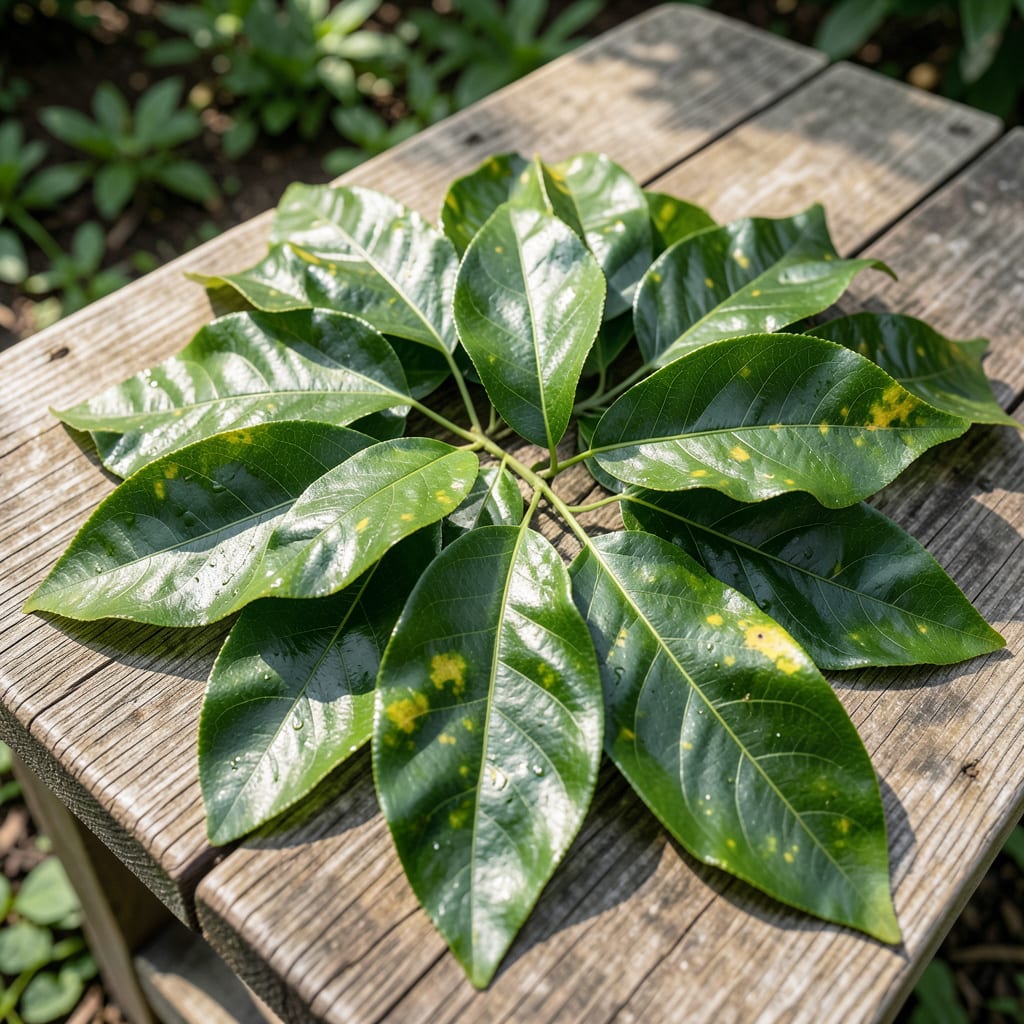
Yellow or curling leaves on your Meyer lemon tree aren’t just frustrating—they’re a cry for help. I’ve seen this happen with my own tree, and the solution is often simpler than you’d think.
Most times, it’s a watering issue, nutrient deficiency, or pest problem. The good news? With a few adjustments, those vibrant green leaves can bounce back in 2-3 weeks. Here’s how to diagnose and fix it.
📚 In This Guide
Here’s the method I use to identify and fix common leaf problems on citrus trees.
Start by looking closely at which leaves are turning yellow and how. If the yellowing appears between the veins, creating a mottled pattern, it often signals a nutrient deficiency—most commonly iron or magnesium. I always check the older leaves first, as deficiencies typically show up there before spreading to new growth.
When the entire leaf turns uniformly yellow, including veins, overwatering or poor drainage may be the culprit. This usually starts with the lower leaves and moves upward. Stand back and observe the tree’s overall color distribution to spot the pattern.
Curling leaves often indicate stress from environmental factors. If leaves curl upward and feel dry or crispy, your tree might be getting too much direct sunlight or not enough water. I notice this most often on south-facing windows where intense afternoon light beats down.
Downward curling with a leathery texture suggests under-watering. The leaves may also feel slightly limp. This is different from the dry curl of sunburn. Run your fingers along the leaf surface to detect these textural differences.
Turn leaves over to examine the undersides with a magnifying glass if possible. Tiny web-like structures indicate spider mites, while small green or black bugs suggest aphids. I’ve found that pests often cluster at the base of new growth where leaves are most tender.
Look for sticky residue (honeydew) or black sooty mold, which confirm pest activity. Also check for physical damage like holes or chewed edges. These signs help distinguish between pest problems and environmental stress.
Stick your finger 2 inches into the soil. If it feels bone dry, you’re likely under-watering. If it feels soggy or smells sour, you’re overwatering. Meyer lemons prefer soil that’s moist but never waterlogged. I water when the top inch of soil feels dry to the touch.
Check your pot’s drainage holes. If water pools on top for more than 30 seconds after watering, your soil may be too compacted or the holes may be clogged. Proper drainage is non-negotiable for preventing root rot and associated leaf problems.
Meyer lemons need 8-12 hours of bright light daily. Insufficient light causes pale yellow leaves and sparse growth. If your tree sits more than 3 feet from a south-facing window, it’s probably not getting enough light, especially in winter.
Avoid placing the tree near heat vents or drafty windows. Sudden temperature changes cause leaf stress. The ideal temperature range is 65-75°F. I’ve seen leaves curl and drop when trees are exposed to temperatures below 50°F for extended periods.
These practical insights will help you accurately diagnose and address leaf issues.
The Observation Technique: In Step 1, take your time examining the yellowing pattern. The difference between mottled yellowing (nutrient deficiency) and uniform yellowing (watering issue) is subtle but critical. I always use a white sheet of paper behind the leaves to make the patterns more visible.
Texture Matters: For Step 2, the feel of the curled leaves tells you more than the appearance alone. Dry, crispy upward curls mean too much sun, while limp downward curls with leathery texture scream for water. Run your fingers along both sides of the leaf—this tactile check prevents misdiagnosis.
Drainage Check: In Step 4, the 30-second drainage test is non-negotiable. If water sits on top longer than that, your soil is too compacted or the drainage holes are clogged. I’ve saved several trees by simply poking a chopstick through the drainage holes to clear blockages.
Light Distance: The 3 feet rule in Step 5 is absolute. Even a foot farther from that south-facing window can reduce light intensity by 50%. I measure this distance with a tape measure—eyeballing it often leads to underestimating how far your tree actually is from the light source.
Yellow leaves often indicate overwatering, nutrient deficiencies (like nitrogen or iron), or poor drainage. Check soil moisture and adjust watering habits. A soil test can help identify missing nutrients.
Curling leaves may result from underwatering, pests like aphids, or environmental stress (e.g., cold drafts or low humidity). Inspect leaves for pests and ensure consistent watering and ideal growing conditions.
Fertilize every 4-6 weeks during the growing season (spring to early fall) with a balanced citrus fertilizer. Avoid fertilizing in winter when the tree is dormant.
Yes! For pests, try spraying leaves with a mixture of water and mild soap. For nutrient deficiencies, compost or organic mulch can help. However, severe issues may require commercial treatments.
Prune affected leaves, improve watering practices, and ensure the tree gets 8-12 hours of sunlight daily. Address root rot or pests if present, and be patient—recovery takes time!
