
Beautiful Plants For Your Interior
Beautiful Plants For Your Interior
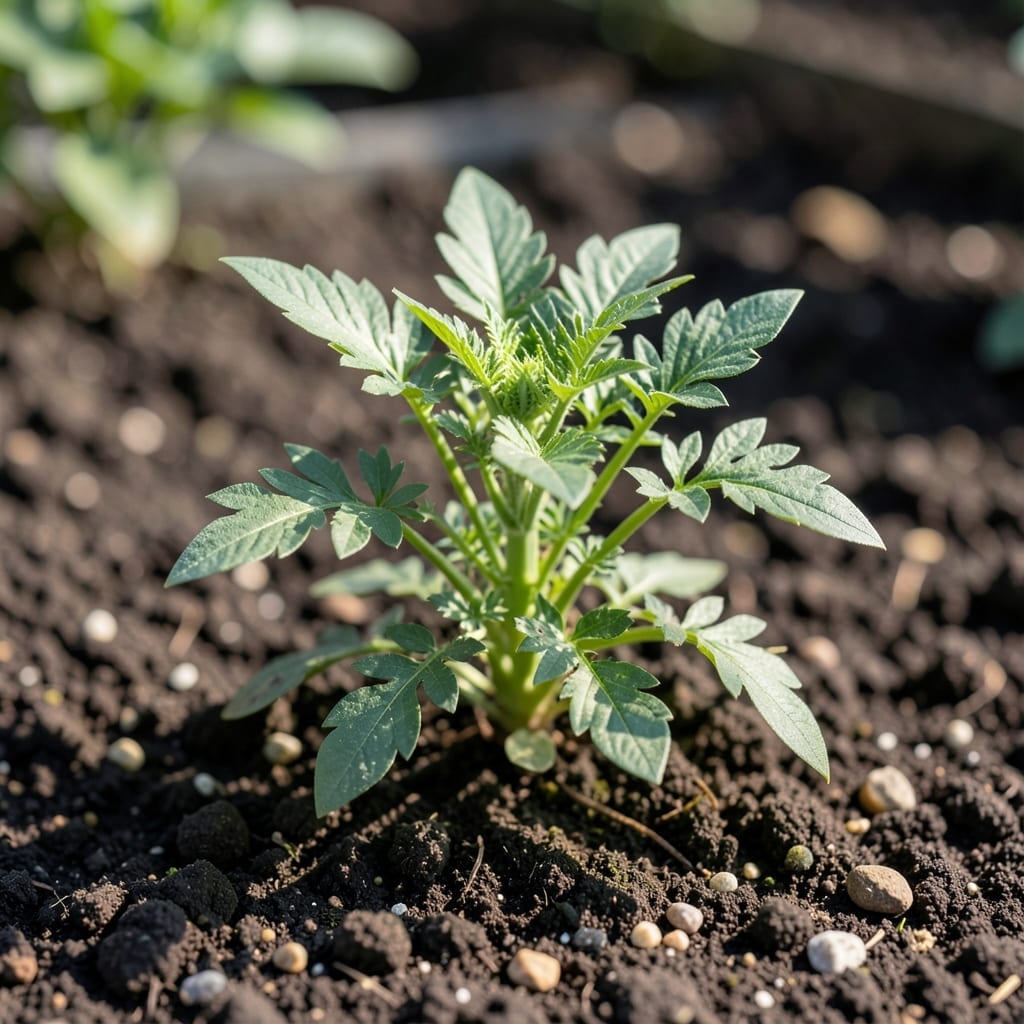
Watching Marigold seeds sprout is one of the most satisfying moments for gardeners, but waiting for those first green leaves can feel like forever.
I remember checking my seed trays daily, wondering if anything was happening beneath the soil. Understanding the typical timeline helps ease that anticipation and keeps your expectations realistic.
From my experience, most gardeners see their 🌼 Marigold seeds break through the soil within a predictable window. The exact timing depends on a few key factors you can control.
Discover what influences germination speed and how to create the ideal conditions for your seeds to thrive. Let’s dig into what you need to know.
I love watching marigold seeds transform into vibrant blooms, but the waiting game starts with sprouting. Most gardeners see first leaves in 5 to 14 days under ideal conditions. This timeline can vary based on several key factors.
For the quickest results, soil temperature should be 70-75°F. Cooler soils slow germination, while consistent warmth speeds it up. Moisture is equally critical—keep soil damp but never soggy to prevent rot.
| Requirement | Specification |
|---|---|
| Temperature | 70-75°F |
| Moisture | Consistently damp |
| Light | Full sun or bright indirect |
| Depth | 1/4 inch deep |
| Sprout Time | 5-14 days |
In my experience, French marigolds often sprout faster, sometimes in just 5 days, while African marigolds may take up to 2 weeks. The variety matters, so check your seed packet for specifics.
Light exposure plays a role too. Marigolds prefer full sun, but seeds don’t need light to germinate. Once sprouted, move to bright light to prevent leggy seedlings. I always use a south-facing window or grow lights.
Soil quality can’t be overlooked. A well-draining mix prevents waterlogging, which is deadly for seeds. I recommend a seed-starting blend with perlite or vermiculite. Avoid heavy garden soil—it compacts and suffocates tender roots.
Planting depth is another critical factor. Marigold seeds are small, so 1/4 inch deep is perfect. Planting too deep delays sprouting, while surface sowing risks drying out. I use a light touch to barely cover them.
If your seeds aren’t sprouting within 14 days, check your conditions. Are they warm enough? Is the soil staying moist? Sometimes, replanting in fresh mix or moving to a warmer spot helps. Patience is key—some seeds take longer.
For those in cooler climates, indoor starting gives you a head start. I begin mine 6-8 weeks before the last frost. This ensures strong seedlings ready for transplant when the weather warms.
Remember, consistency is everything. Fluctuating temperatures or moisture levels can stall germination. A heat mat can help maintain steady warmth, especially in early spring when indoor temps vary.
With the right care, you’ll see those first green shoots pushing through the soil before you know it. 🌱
Not all marigold varieties sprout at the same pace. I’ve found that French marigolds often lead the pack, while others need a bit more patience. This variation is normal and depends on genetics and conditions.
If you’re eager for quick results, Signet marigolds are another fast germinator, often sprouting in just 5-7 days under ideal conditions. Meanwhile, African marigolds can take slightly longer.
| Variety | Typical Sprout Time | Notes |
|---|---|---|
| French Marigold | 5-10 days | Fastest variety for quick blooms |
| Signet Marigold | 5-7 days | Small flowers, compact growth |
| African Marigold | 7-14 days | Larger blooms, slightly slower |
| Calendula | 10-14 days | Cool-weather tolerant, edible petals |
I’ve noticed that soil temperature plays a huge role in sprout time. Warm soil (around 70-75°F) speeds up germination for all varieties. Cooler soils will delay sprouting, even for the fastest types.
For African marigolds, I recommend starting seeds indoors 4-6 weeks before the last frost. This gives them a head start, especially in cooler climates where soil warms up slowly in spring.
If you’re planting Calendula, remember they tolerate cooler temps better than other marigolds. I’ve had success sowing them directly in early spring when other varieties would struggle.
No matter the type, consistent moisture is key. I check my seed trays daily to ensure the soil stays damp but not soggy. This simple step can shave days off your marigold sprout time 🌼