
Beautiful Plants For Your Interior
Beautiful Plants For Your Interior
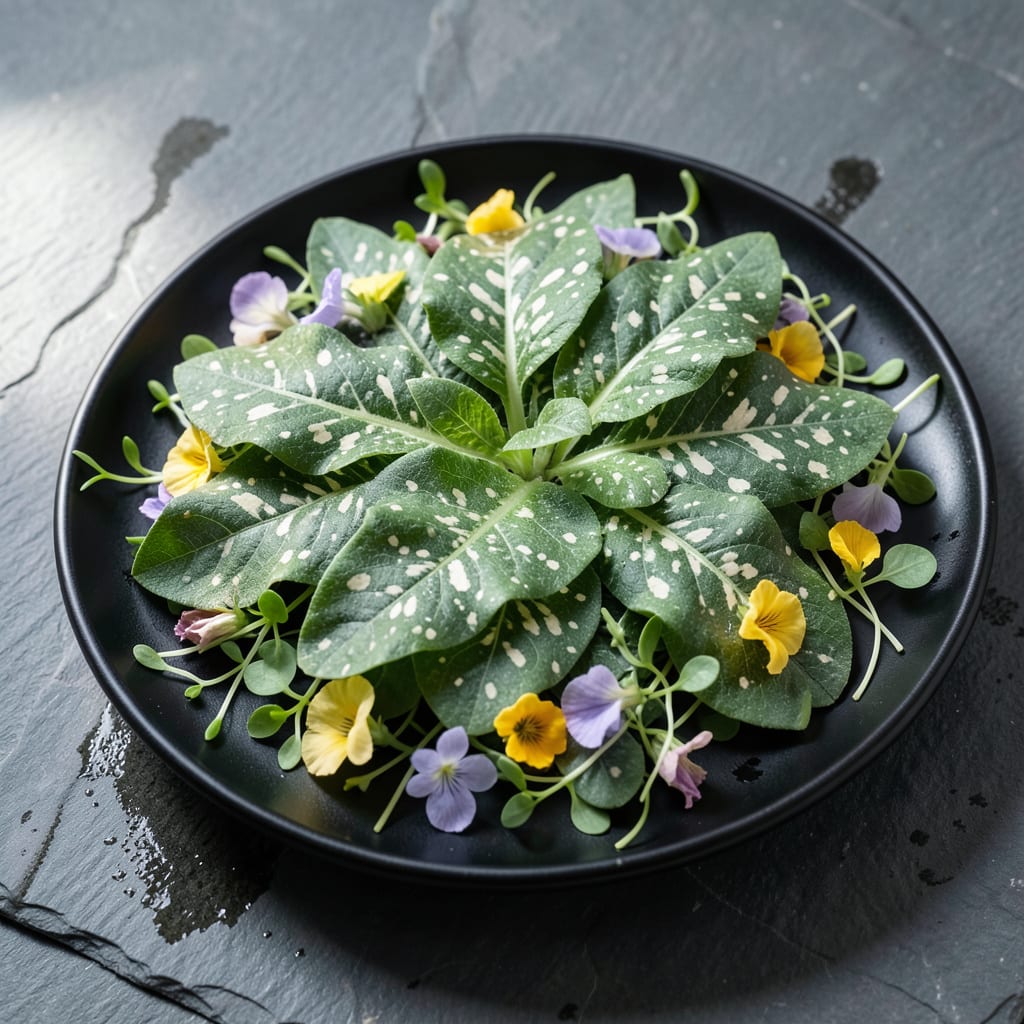
White spots on marigold leaves ruined my summer garden last year. I learned the hard way that these spots aren’t just unsightly—they spread fast and can kill plants within weeks.
The culprit is usually powdery mildew or downy mildew, though spider mites sometimes cause similar damage. I noticed my marigolds developed these spots after 2 weeks of humid weather with poor air circulation.
You can stop the spread with a simple spray of baking soda and water, or neem oil for more stubborn cases. Prune affected leaves immediately and space plants for better airflow.
Prevention is easier than cure: water at the base, avoid overhead sprinkling, and choose resistant varieties next time. Your marigolds will bounce back faster than you expect.
White spots on marigold leaves can stem from several underlying issues, each with distinct triggers. Understanding the root cause helps you address the problem effectively.
Powdery mildew (Oidium spp.) is a common fungal culprit. This pathogen thrives in high humidity (70-90%) and moderate temperatures (60-80°F), forming white, powdery patches on leaves. Spores spread via wind or water splashes, and crowded plantings or poor airflow worsen the issue.
Excess moisture on foliage, especially from overhead watering or prolonged leaf wetness, creates ideal conditions for fungal growth. Hard water can also leave mineral deposits (e.g., calcium or magnesium) that appear as white, crusty spots.
Infestations by mealybugs or spider mites can cause white stippling or webbing. These pests pierce leaf cells to feed, leaving behind white or yellowish speckles. Check leaf undersides for cottony clusters (mealybugs) or fine webs (mites).
Extreme temperatures, excessive sunlight, or nutrient deficiencies (e.g., magnesium or iron) may lead to chlorotic (white/yellow) spots. Marigolds in poor soil or exposed to herbicide drift (e.g., glyphosate) can also develop discolored patches.
Here’s how to tackle white spots on marigold leaves based on the most likely causes, plus ways to prevent them from coming back.
Mix 1 teaspoon of baking soda and 1 quart of water with a few drops of dish soap. Spray the solution on both sides of the leaves, focusing on white patches. Apply early in the morning to avoid sunburn. Repeat every 5–7 days until the spots fade.
Prevention tip: 💡 Improve air circulation by spacing plants 12–18 inches apart and watering at the base to keep foliage dry.
Remove infected leaves immediately to stop the spread. Apply a copper-based fungicide or a neem oil spray (2 tablespoons neem oil + 1 gallon of water + 1 teaspoon of dish soap) every 7–10 days. Treat in the evening for best results.
Prevention tip: ✨ Avoid overhead watering and ensure the soil drains well to reduce moisture buildup.
For whiteflies or spider mites, spray leaves with insecticidal soap or a 1:10 ratio of rubbing alcohol to water to dislodge pests. Wipe leaves gently with a damp cloth afterward. Repeat every 3–4 days until pests are gone.
Prevention tip: 🎯 Introduce beneficial insects like ladybugs or lacewings to your garden to keep pest populations in check.
If white spots are due to magnesium or iron deficiency, amend the soil with Epsom salt (1 tablespoon per gallon of water) for magnesium or chelated iron for iron. Apply as a soil drench or foliar spray every 2 weeks.
Prevention tip: 🌡️ Test your soil annually and fertilize with a balanced, slow-release product to maintain nutrient levels.
Not always. While fungal infections like powdery mildew are common, white spots can also come from mineral deposits, pest damage, or nutrient deficiencies.
Powdery mildew can spread across a plant in as little as 3-5 days under humid conditions. Remove affected leaves immediately and improve airflow to slow progression.
Yes! A baking soda solution (1 tsp per quart of water) works for mild fungal cases. For pests, insecticidal soap or diluted rubbing alcohol can help.
Existing spots won’t vanish, but new growth will be healthy. Consistency is key—repeat treatments every 5-7 days until the problem resolves.
