
Beautiful Plants For Your Interior
Beautiful Plants For Your Interior
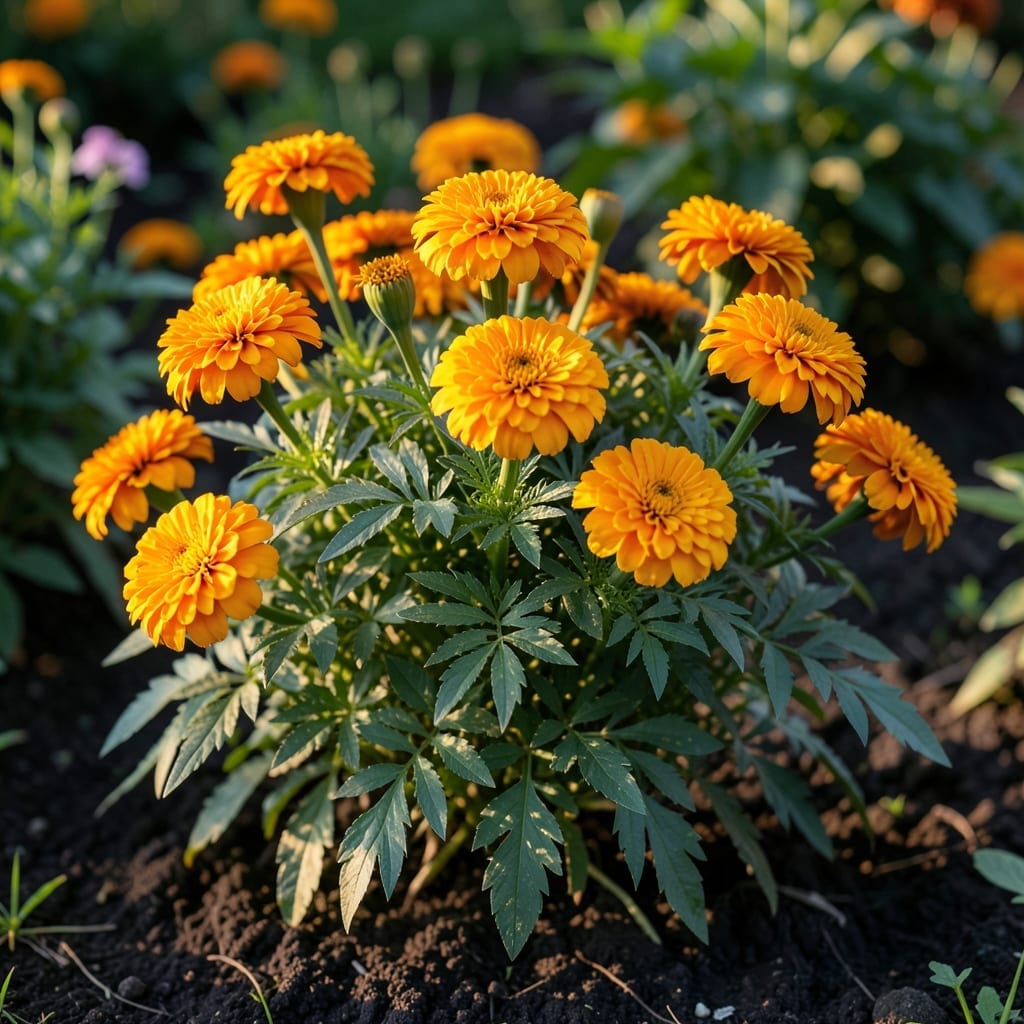
There’s something magical about watching 🌼 Marigold flowers transform a garden with their bold colors and cheerful presence. But to truly enjoy their beauty, you need to understand their blooming rhythm.
These hardy annuals don’t just appear overnight – they follow a precise seasonal schedule that every gardener should know. From the first signs of spring to the last warm days of fall, Marigolds have a blooming story to tell.
I’ve learned through experience that timing is everything with these vibrant flowers. Whether you’re planting in zone 6 or elsewhere, knowing when to expect those first orange and yellow blossoms makes all the difference.
Discover how to align your gardening efforts with nature’s calendar. Let me show you when Marigolds typically burst into color and how to keep them flowering longer.
If you’re wondering about marigold flower time, these cheerful annuals typically start blooming 8-10 weeks after sowing seeds. In most regions, expect vibrant orange, yellow, or gold flowers from early summer through fall.
I’ve found that French marigolds often bloom first, while African marigolds may take slightly longer to produce their large, pom-pom flowers. Both varieties thrive in warm weather and can continue flowering until the first frost.
| row”> | cell” style=”border-color: #6fd544;”>Details |
| row”> | cell” style=”border-color: #6fd544;”>2-3 weeks after germination |
| row”> | cell” style=”border-color: #6fd544;”>8-10 weeks after sowing |
| June-October in most climates |
The blooming period can vary based on your USDA zone and local climate. In warmer zones like 9-11, marigolds may start blooming earlier and continue longer into fall.
I notice that day length significantly affects flowering. Marigolds are short-day plants, meaning they may bloom more profusely as days begin to shorten in late summer.
For the earliest blooms, start seeds indoors 6-8 weeks before your last frost date. This gives your marigolds a head start, and you’ll often see flowers by the time you transplant them outdoors.
In my experience, signet marigolds are the fastest to bloom, often producing flowers in as little as 6 weeks from sowing. Their smaller, daisy-like flowers are perfect for edging borders.
African marigolds, while slower to start, produce the largest flowers and can reach heights of 3-4 feet in ideal conditions. Their blooms can be as wide as 5 inches across.
Remember that soil temperature matters. Marigold seeds need soil temps of 70-75°F to germinate properly. In cooler climates, use black plastic to warm the soil before planting.
Once established, marigolds are quite drought-tolerant, but consistent moisture during bud formation leads to more abundant blooms. I recommend watering at the base to keep foliage dry and prevent disease.
To maximize your marigold flower time, choose a sunny spot with well-draining soil. These plants thrive in full sun and can handle the heat of summer better than many other annuals.
With proper care, your marigolds can provide months of continuous color and even help deter pests like nematodes and aphids from your vegetable garden. ☀️
To keep marigolds blooming all season, I focus on consistent care and simple techniques. These vibrant flowers thrive with proper sunlight and regular deadheading to encourage new blooms. ☀️
I’ve found that French marigolds respond best to weekly deadheading, while African marigolds need slightly less frequent attention. Removing spent flowers prevents seed formation, redirecting energy to new growth and more blooms. ✂️
I always water at the base to avoid wetting the foliage, which can lead to fungal diseases. Marigolds prefer well-draining soil, so I make sure the soil isn’t soggy. A light mulch helps retain moisture without suffocating the roots. 💧
For fertilizing marigolds, I use a 5-10-10 balanced mix every few weeks. This keeps the plants fed without overstimulating foliage at the expense of flower production. Too much nitrogen can lead to lush leaves but fewer blooms.
If your marigolds stop flowering, check their sunlight exposure and watering schedule. Often, a simple adjustment can reignite their blooming cycle. I’ve revived many plants just by moving them to a sunnier spot. 🌼
Finally, pinching back young plants encourages bushier growth and more flower stems. I do this when the plants are about 6 inches tall, removing the top set of leaves to promote branching.