
Beautiful Plants For Your Interior
Beautiful Plants For Your Interior
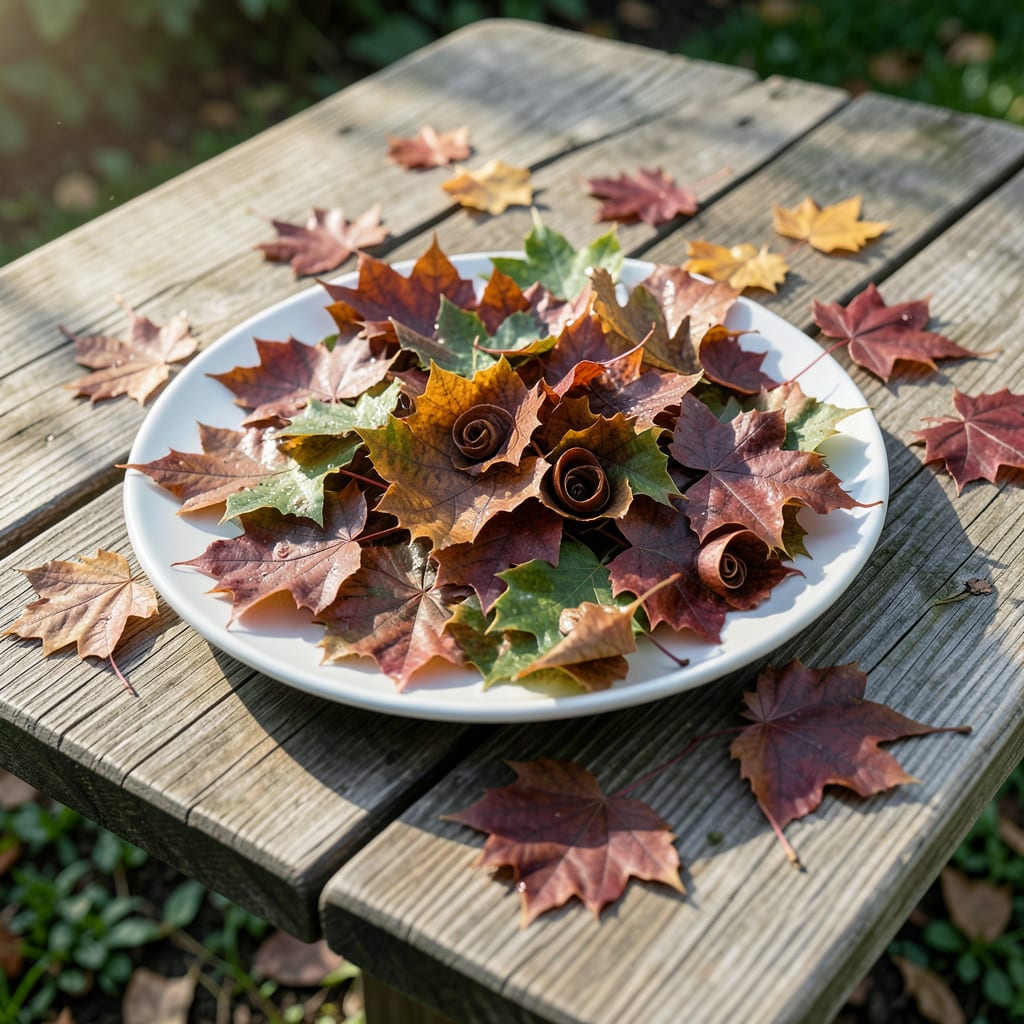
Watching maple leaves curl up like tiny scrolls is always alarming. I’ve seen this happen to my own trees after a dry spell or unexpected heatwave, and it’s usually the plant’s way of protecting itself.
The curling often signals stress from too little water, too much sun, or even a sudden temperature swing. Sometimes it’s pests or disease, but environmental factors are the most common culprits I’ve encountered in my garden.
With the right adjustments—consistent watering, afternoon shade, or a layer of mulch—you can often reverse the damage. The leaves typically unfurl within a week or two once conditions improve.
Best part? These fixes are simple, organic, and prevent future issues. Here’s how to diagnose and treat the problem effectively.
Maple tree leaves curling up is often a sign of environmental stress or disease. Here are the most common causes:
High temperatures and insufficient water cause leaves to curl as a protective mechanism. The tree reduces surface area to minimize moisture loss through transpiration. This is especially common in young or newly planted maples with shallow root systems.
Strong winds can physically damage leaves, leading to desiccation (drying out). The edges curl inward to conserve water and protect the remaining tissue. This is often seen in exposed or windy locations.
Fungi like Anthracnose or Tar Spot disrupt cellular function, causing leaves to distort and curl. Infected leaves may also develop dark spots or prematurely drop. Fungal spores thrive in wet, humid conditions.
Sap-sucking pests such as aphids, mites, or scale insects extract fluids from leaves, leading to stress and curling. Check the undersides of leaves for tiny insects or sticky residue (honeydew).
A lack of essential nutrients—particularly magnesium, potassium, or nitrogen—can cause leaf curling. Yellowing (chlorosis) often accompanies this issue. Soil testing can confirm deficiencies.
Excess water or compacted soil suffocates roots, reducing their ability to absorb nutrients. This leads to root rot, which manifests as curled, wilted, or yellowing leaves. Ensure the soil drains well to prevent waterlogging.
Addressing curling leaves on your maple tree starts with identifying the root cause. Below are targeted solutions for common issues, paired with prevention tips to keep your tree thriving.
Fix: Water deeply at the base of the tree early in the morning (1–2 inches per week). Use a slow-dripping hose or soaker to ensure moisture reaches the roots. Mulch with 2–3 inches of organic material (e.g., wood chips) to retain soil moisture.
Prevention: Plant drought-tolerant ground covers nearby to reduce soil temperature. Avoid overhead watering to prevent fungal growth.
Fix: For aphids or mites, spray leaves with a neem oil solution (1 tbsp oil + 1 tsp dish soap per gallon of water) every 5–7 days until pests are gone. For scale insects, gently scrub branches with a soft brush dipped in soapy water.
Prevention: Encourage natural predators like ladybugs by planting pollinator-friendly flowers nearby. Inspect leaves weekly for early signs of pests.
Fix: Prune infected branches at least 6 inches below visible damage using sterilized pruners (wipe with rubbing alcohol between cuts). Dispose of debris far from the tree to avoid reinfection. Apply a copper fungicide for bacterial issues or baking soda spray (1 tbsp baking soda + 1 tsp oil + 1 gallon water) for mild fungal cases.
Prevention: Improve air circulation by thinning crowded branches. Avoid wetting leaves during watering, and clean up fallen leaves promptly.
Fix: If wind or herbicide drift is the culprit, create a temporary barrier (e.g., burlap screen) to shield the tree. For soil compaction, aerate the root zone with a garden fork and top-dress with compost.
Prevention: Space trees appropriately during planting, and avoid using weed killers near the root zone.
💡 Pro Tip: Always test soil pH (ideal: 6.0–7.5 for maples) and amend if needed—lime raises pH, sulfur lowers it.
Water deeply 1-2 times per week, providing 1-2 inches of water each time. Focus on the base, not the leaves. Morning watering prevents fungal growth.
Yes! Once the stressor is addressed, new growth typically appears normal within 2-3 weeks. Severely damaged leaves may drop but won’t uncurl.
Check leaf undersides for tiny insects or sticky residue. Aphids and mites are common culprits. Treat with neem oil at first signs.
Apply 2-3 inches of organic mulch to retain moisture and regulate soil temperature. Keep it 6 inches from the trunk.
