
Beautiful Plants For Your Interior
Beautiful Plants For Your Interior
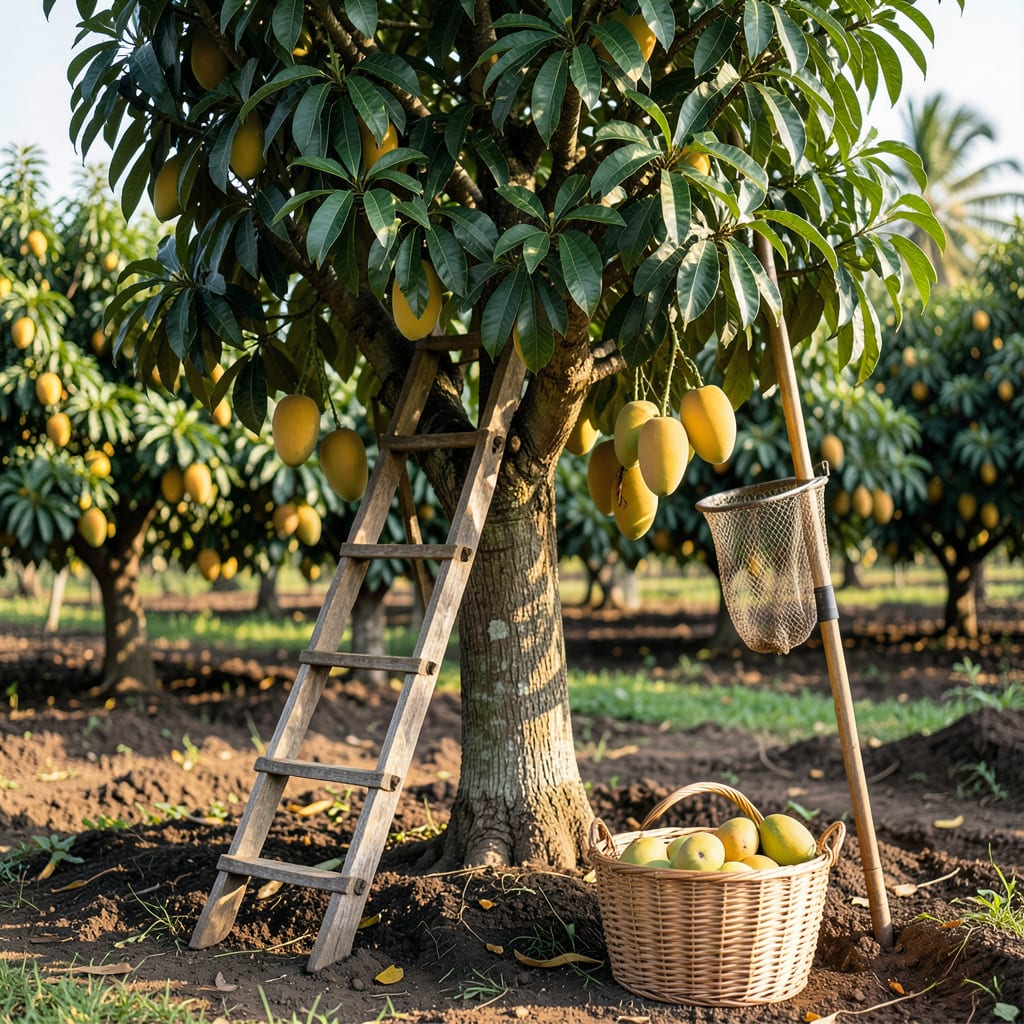
Nothing beats the taste of a perfectly ripe mango fresh from your own 🥭 Mango Tree. But how do you know when it’s truly ready to pick?
I’ve learned the subtle signs that signal peak sweetness, and timing your harvest right makes all the difference. Let me show you what to look for.


Timing your mango harvest perfectly starts with knowing what to look for. I’ve found that color changes are the first visual clue, but they vary by variety. For example, Alphonso mangoes turn golden-yellow, while Keitt mangoes stay green even when ripe. 🌳
Don’t rely on color alone. The stem end of the fruit should emit a sweet, fruity aroma when it’s ready. If there’s no scent, the mango isn’t ripe yet, no matter how vibrant it looks. This is a trick I use every season to avoid early picking. 🌿
| Variety | Color at Ripeness | Aroma |
|---|---|---|
| Alphonso | Golden-yellow | Strong, sweet |
| Keitt | Green with blush | Mild, fruity |
| Ataulfo | Bright yellow | Tropical, rich |
| Haden | Red-yellow gradient | Sweet, musky |
Another key sign is slight softness when you gently squeeze the fruit. A ripe mango will give a little under pressure, similar to a peach or avocado. If it feels rock-hard, it’s not ready yet. I always test a few fruits on the tree to confirm. ✂️
Check the shoulders of the mango near the stem. If they feel slightly spongy when pressed, the fruit is likely at its peak. This is one of the most reliable indicators I’ve found for all mango varieties. 🌱
For early-season mangoes, like Ice Cream or Julie, the harvest window is shorter. These varieties often ripen all at once, so I recommend checking them daily once they start showing color. Missing the window by even a day can mean overripe fruit. ☀️
Late-season varieties, such as Kent or Osteen, can stay on the tree longer. However, if you notice birds or squirrels taking an interest, it’s time to harvest immediately. I’ve lost many a mango to hungry wildlife by waiting too long! 🌻
If you’re growing mangoes in subtropical zones, the harvest might start a bit later. In USDA zones 10-11, the season typically runs from May to September, but this can shift based on microclimates and the specific variety. I always keep a harvest journal to track these patterns year to year. 🌿
Remember, size matters too. A mature mango should be full-sized for its variety. For example, Keitt mangoes can weigh up to 2-4 pounds when ripe, while Ataulfos are smaller, around 6-12 ounces. Use this as another visual cue alongside color and texture. 🪴
Finally, don’t forget to taste-test one or two fruits from the tree. If they’re sweet and juicy, the rest are likely ready. If they’re still tart, give them a few more days. This hands-on approach has never failed me. 🌳
Your mango tree harvest time isn’t just about the fruit—it’s also about the season and climate. In tropical zones, mangoes often ripen earlier due to consistent warmth. I’ve noticed my trees in Zone 11 start producing as early as April. 🌳
For subtropical areas like Zone 10, the harvest typically peaks from May to September. Cooler temperatures can delay ripening, so I always monitor nighttime lows. A sudden cold snap can stunt fruit development. ☀️
🌱 Key Takeaway
In tropical climates, expect earlier harvests. In subtropical zones, peak season is May-September. Always watch for temperature shifts that can affect ripening.
Rainfall plays a role too. Excessive rain during fruiting can cause cracking or disease. I make sure my trees have good drainage to prevent waterlogged roots, which delay harvest. 💧
Humidity levels also impact mango maturation. High humidity can lead to fungal issues, while low humidity speeds up ripening. I use a moisture meter to keep conditions ideal. 🌿
If you’re growing in containers, microclimates matter even more. Potted mangoes may ripen 1-2 weeks later than in-ground trees. I’ve found that south-facing patios help compensate for this delay. 🪴
Finally, wind exposure can affect harvest timing. Strong winds may cause premature fruit drop, so I recommend windbreaks for young trees. This simple step has saved many of my mangoes from early loss. ✂️
I’ve seen too many gardeners rush their mango harvest and end up with underripe fruit. The biggest mistake? Picking too early just because the color looks right. Remember, some varieties stay green when ripe. 🌳
Another common error is ignoring the aroma. If there’s no sweet scent at the stem end, the mango isn’t ready. I’ve learned to trust my nose as much as my eyes for the perfect harvest timing. 🌿
⚠️ Warning
Avoid harvesting during rainy weather—wet fruit is prone to rot and disease. Wait for dry conditions to pick.
Using the wrong tools can also cause problems. Never yank mangoes from the tree—this damages both fruit and branches. I always use sharp pruners or harvesting poles with a gentle twist. ✂️
Don’t overlook weather conditions either. Harvesting in extreme heat can lead to sunburned fruit. I aim for early morning picks when temperatures are cooler. ☀️
Finally, resist the urge to harvest all at once. Mangoes ripen at different rates, even on the same tree. I check my trees daily during peak season to catch each fruit at its prime. 🌻
Look for a color change from green to yellow/red, a sweet aroma at the stem, and slight softness when gently squeezed. These are the most reliable signs.
Some varieties like Keitt stay green when ripe, but most should show some color change. If the fruit is rock-hard with no aroma, it’s not ready yet.
Harvest in the early morning when temperatures are cooler. This prevents sunburn on the fruit and ensures better quality.
Check daily during peak season, as mangoes can ripen quickly. Early varieties may need even more frequent monitoring.
