
Beautiful Plants For Your Interior
Beautiful Plants For Your Interior
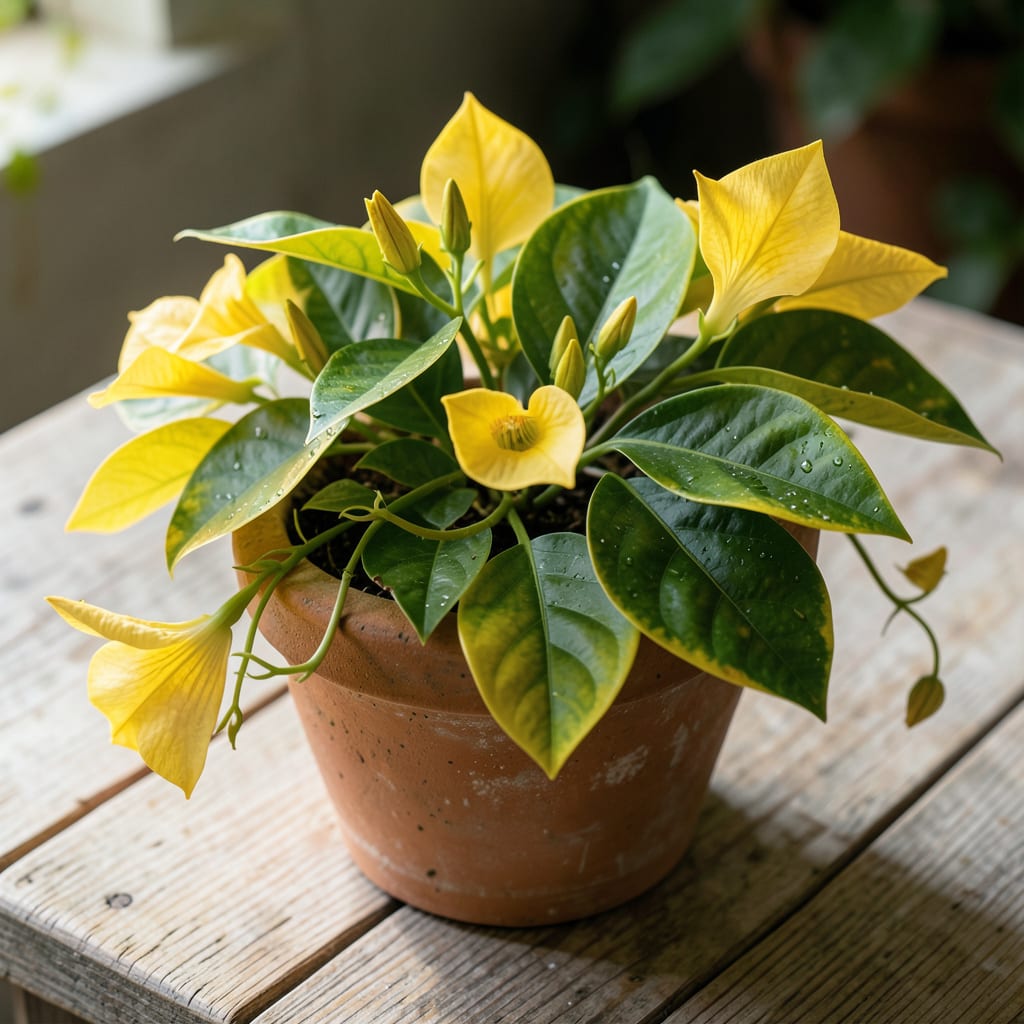
Yellow leaves on your mandevilla aren’t a death sentence. I’ve brought back more plants from the brink than I’d like to admit, and most recover with the right adjustments.
Overwatering, poor drainage, or sudden temperature swings usually cause the problem. The plant’s telling you it’s stressed, and the solution is simpler than you think. Check the soil first—it should be dry an inch down between waterings.
With consistent care, you’ll see new green growth within 2-3 weeks. The key is fixing one issue at a time: water, light, nutrients, or pests.
Works for potted plants, garden beds, or hanging baskets. Let’s diagnose and fix it together.
Mandevilla leaves turn yellow due to a variety of environmental and care-related stressors. Identifying the root cause is key to reviving your plant. Below are the most common culprits, explained with actionable insights.
Mandevillas thrive in bright, indirect light, but intense, direct sunlight can scorch their leaves, leading to yellowing or browning. This is due to photooxidative stress, where excess light overwhelms the plant’s ability to process energy, damaging chlorophyll. If leaves appear bleached or crispy, move the plant to a spot with filtered light or partial shade.
Overwatering and underwatering both trigger yellowing. Overwatering suffocates roots, preventing oxygen uptake and leading to root rot (often accompanied by mushy stems). Underwatering, on the other hand, causes nutrient deficiency as the plant can’t absorb essential minerals. Check soil moisture 1–2 inches deep—water only when the top layer feels dry.
Yellow leaves, especially between veins, often signal a lack of nitrogen, iron, or magnesium. Nitrogen deficiency causes uniform yellowing, while iron or magnesium shortages create interveinal chlorosis (yellowing with green veins). Use a balanced, water-soluble fertilizer (e.g., 10-10-10) every 2–4 weeks during the growing season to replenish nutrients.
Mandevillas are tropical plants and suffer when temperatures drop below 50°F (10°C) or spike above 90°F (32°C). Cold stress disrupts chlorophyll production, while heat stress accelerates water loss. Keep plants in a stable environment, and avoid placing them near drafts or heaters.
Sap-sucking pests like spider mites, aphids, or whiteflies drain nutrients from leaves, causing yellowing and stippling. Inspect the undersides of leaves for webbing, sticky residue (honeydew), or tiny insects. Treat with neem oil or insecticidal soap weekly until pests are eliminated.
Don’t panic—yellow leaves on your mandevilla can often be reversed with the right care. Below are targeted fixes for the most common causes, along with prevention tips to keep your plant thriving. 🌿
Fix: Let the top 1-2 inches of soil dry out between waterings. If the roots are waterlogged, repot the plant in fresh, well-draining soil and a container with drainage holes. Trim any mushy, black roots to prevent rot.
Prevention: Use a moisture meter or stick your finger in the soil to check dryness. Always empty saucers after watering to avoid standing water. 💡
Fix: Move your mandevilla to a brighter spot where it gets at least 6-8 hours of direct sunlight daily. If growing indoors, supplement with a grow light (12-14 hours/day).
Prevention: Rotate the pot weekly for even light exposure, and avoid deep shade, especially in cooler months. ✨
Fix: Relocate the plant to a stable environment between 60-80°F (15-27°C). If exposed to cold drafts or frost, prune damaged foliage and move it indoors or to a sheltered area.
Prevention: Keep mandevillas away from AC vents, heaters, or cold windows. Use a frost cloth if outdoor temps drop below 50°F (10°C). 🌡️
Fix: Feed with a balanced, water-soluble fertilizer (10-10-10 or 20-20-20) every 2-4 weeks during the growing season. For iron or magnesium deficiencies (interveinal yellowing), use a chelated iron supplement or Epsom salt spray (1 tbsp/gallon of water).
Prevention: Test soil pH (ideal: 6.0-7.0) and amend if too acidic or alkaline. Refresh potting soil annually. 🎯
Fix: Wipe leaves with a damp cloth to remove pests like spider mites or aphids. Apply insecticidal soap or neem oil (mix 1 tsp neem oil + 1 tsp dish soap per quart of water) every 5-7 days until pests are gone.
Prevention: Inspect leaves weekly (especially undersides) and isolate new plants for 2-3 weeks to prevent contamination. 🛡️
Water when the top 1-2 inches of soil feel dry. In hot weather, this may mean watering every 2-3 days, but always check soil moisture first. Overwatering causes root rot, which leads to yellow leaves.
Unfortunately, yellow leaves won’t regain their green color. However, fixing the underlying issue (water, light, nutrients) will encourage new healthy growth within 2-3 weeks. Remove severely yellowed leaves to redirect energy.
Use a balanced, water-soluble fertilizer like 10-10-10 or 20-20-20 every 2-4 weeks during the growing season. For yellowing with green veins, add chelated iron or magnesium (Epsom salt).
This often signals natural aging or nutrient deficiency. If bottom leaves yellow first, check for nitrogen deficiency or insufficient light. Prune affected leaves and adjust care accordingly.
