
Beautiful Plants For Your Interior
Beautiful Plants For Your Interior
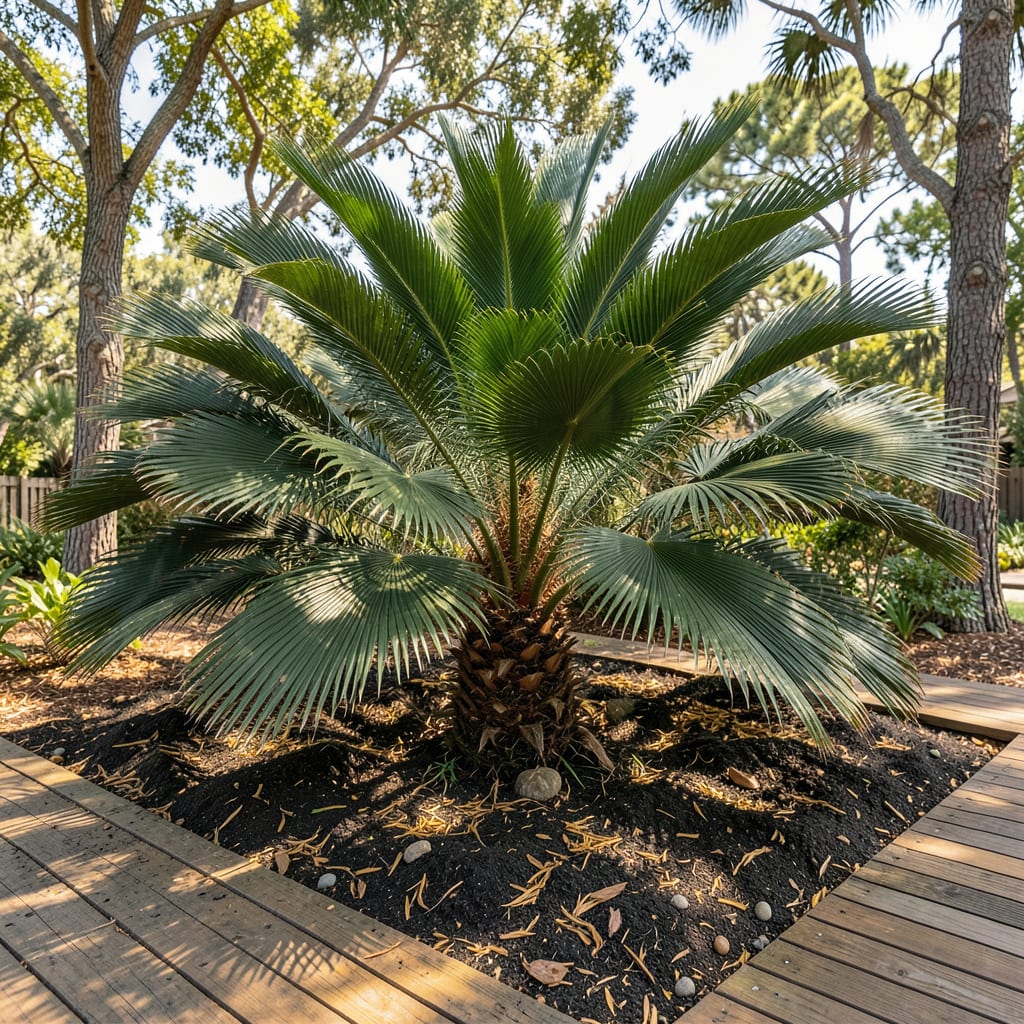
That first summer I planted a majesty palm outside, I watched it transform my patio into a tropical retreat. 10-foot fronds swaying in the breeze create instant vacation vibes right in your backyard.
These palms thrive with minimal fuss once established. They handle heat well but need protection from cold snaps and consistent moisture without waterlogging. The payoff is a lush, dramatic focal point that grows 2-3 feet per year in ideal conditions.
📚 In This Guide
Here’s the method I use to keep these tropical beauties thriving in outdoor settings.
Choose a spot with bright, indirect light—direct afternoon sun will scorch the fronds. Majesty palms prefer partial shade, especially in hotter climates where temperatures exceed 85°F regularly. I’ve found that dappled light under a taller tree works perfectly.
Ensure the area has well-draining soil to prevent root rot. These palms hate soggy feet. Test drainage by digging a 12-inch hole, filling it with water, and watching how quickly it absorbs. If water sits for more than 30 minutes, amend the soil or choose a different location.
Amend the soil with organic matter like compost or peat moss to improve both drainage and fertility. Majesty palms thrive in slightly acidic to neutral soil with a pH between 6.0 and 7.5. A soil test kit can confirm your conditions are ideal.
Dig a hole twice as wide as the root ball but no deeper. Planting too deep suffocates the roots and leads to decline. I always loosen the roots gently before placing the palm in the hole to encourage outward growth into the surrounding soil.
Place the palm in the hole so the top of the root ball sits slightly above ground level. Backfill with the amended soil, pressing lightly to remove air pockets. Water thoroughly until the soil is saturated and the water runs off—this settles the soil and eliminates gaps around the roots.
Apply a 2-3 inch layer of mulch around the base, keeping it 3 inches away from the trunk to prevent rot. This conserves moisture and regulates soil temperature. You’ll know it’s working when the soil stays consistently damp but never waterlogged.
Water when the top 1-2 inches of soil feel dry—typically 2-3 times per week in hot weather, less in cooler months. Majesty palms are somewhat drought-tolerant but look their best with regular moisture. I check mine by sticking my finger into the soil; if it comes out clean, it’s time to water.
Fertilize every 2-3 months during the growing season with a balanced palm fertilizer (look for an 8-2-12 or similar ratio with micronutrients). Yellowing fronds often signal a magnesium deficiency, which this specialized fertilizer helps prevent. Always follow package instructions for application rates.
Prune only brown or damaged fronds with clean, sharp shears. Never remove green fronds, as this reduces the plant’s ability to photosynthesize. I do a quick inspection weekly for pests like spider mites or scale, which appear as tiny webs or bumps on the fronds.
Watch for signs of stress: drooping fronds mean underwatering, while yellowing lower leaves often indicate overwatering or nutrient deficiency. In winter, protect your palm if temperatures drop below 30°F—cover it with frost cloth or move potted specimens indoors. Real talk: these palms are tropical and won’t survive hard freezes without intervention.
Small adjustments in your approach can prevent the most common issues with outdoor majesty palms.
Lighting Insight: The warning about direct afternoon sun in Step 1 isn’t just about leaf burn—it affects the plant’s entire water regulation system. I learned this after watching one palm struggle for weeks in a west-facing spot. That dappled light under taller trees really does create the microclimate they love.
Drainage Test Clarity: When performing the 30-minute drainage test from Step 1, use a timer. I’ve seen people misjudge this by eye, thinking the water absorbed faster than it actually did. If it takes longer than 30 minutes, amend with compost or consider raised planting to avoid root rot.
Planting Depth Caution: Step 2’s advice about not planting too deep is critical. I’ve rescued several palms where the root ball was buried an inch too low. The top should sit slightly above ground level—this prevents water from pooling around the trunk, which is the most common cause of decline in newly planted specimens.
Winter Protection Strategy: That 30°F threshold in Step 5 is your absolute cutoff. I lost a beautiful palm by waiting until 28°F to cover it. Frost cloth works best when draped over a frame to avoid touching the fronds. For potted palms, move them to a garage or enclosed porch before that first cold snap.
Yes, in USDA zones 10-12, majesty palms thrive outdoors year-round. In cooler areas, bring them indoors when temps drop below 40°F (4°C) to prevent damage.
Water when the top 1-2 inches of soil feel dry, typically 2-3 times a week in hot weather. Ensure good drainage to avoid root rot. Reduce watering in cooler months.
Use well-draining, loamy soil with a slightly acidic to neutral pH (6.0-7.5). Mix in perlite or sand for better drainage, and add compost for nutrients.
Yellow leaves often signal overwatering, poor drainage, or nutrient deficiencies (like magnesium). Check soil moisture and fertilize with a palm-specific formula if needed.
Absolutely! Use a large, well-draining pot and place it in partial shade. Move it indoors if frost is expected, as potted palms are more vulnerable to cold.
