
Beautiful Plants For Your Interior
Beautiful Plants For Your Interior
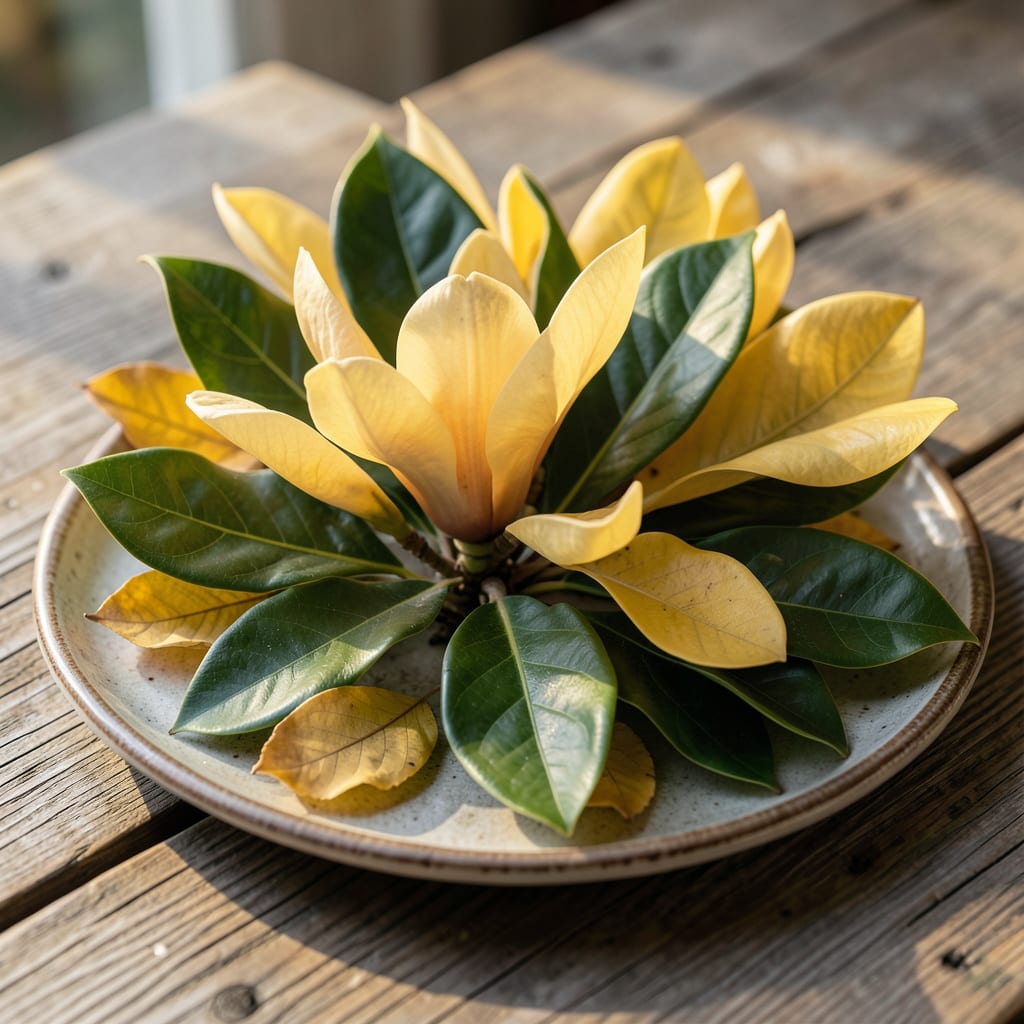
Yellow leaves on your magnolia aren’t just unsightly—they’re a distress signal. I’ve seen this happen to mine when the soil stays too wet or when the roots can’t access the nutrients they need.
Most times, it’s a drainage issue or the pH is off, locking out iron and other essentials. My first magnolia dropped leaves for 2 months before I fixed the soggy soil. Now it’s back to deep green and thriving.
You’ll start seeing improvement within 2-3 weeks once the roots can breathe and absorb nutrients again. The key is testing the soil first, then adjusting watering or amending the ground.
Works for established bushes and new plantings alike. Here’s how to diagnose and fix it for good.
Magnolia bush leaves turning yellow often signal underlying issues that disrupt chlorophyll production. Below are the most common causes, explained with actionable insights.
Yellowing leaves (chlorosis) frequently stem from iron or magnesium deficiencies. Magnolias thrive in acidic soil (pH 5.0–6.5). When soil pH rises above 7.0, iron becomes insoluble, blocking uptake. A soil test confirms deficiencies. Fix it with chelated iron supplements or sulfur-based amendments to lower pH.
Soggy roots suffocate the plant, preventing nutrient absorption. Magnolias need well-draining soil. If water pools around the base or leaves yellow and wilt, check for root rot. Amend heavy clay soil with compost or sand, and ensure planting sites have proper drainage.
Extreme heat, drought, or sudden temperature swings stress magnolias, triggering yellowing. Newly planted bushes are especially vulnerable. Mulch (2–3 inches deep) retains moisture and regulates soil temperature. Water deeply during dry spells, but avoid overhead irrigation to prevent fungal issues.
Infestations like scale insects or spider mites sap nutrients, while fungal diseases (e.g., Phytophthora) attack roots. Inspect leaf undersides for pests or dark spots. Treat with horticultural oil or fungicides, and remove affected foliage to halt spread.
Don’t panic—yellow leaves on your magnolia bush can often be fixed with a few targeted adjustments. Below are the most common causes and their practical solutions, along with prevention tips to keep your plant thriving. 🌿
Magnolias prefer slightly acidic to neutral soil (pH 5.5–7.0). If your soil is too alkaline:
Prevention tip: 💡 Apply a 2–3 inch layer of organic mulch (like pine bark) annually to help stabilize soil pH naturally.
Waterlogged roots suffocate and cause yellowing. Here’s how to fix it:
Prevention tip: 🌡️ Avoid overwatering—magnolias prefer moist but well-drained soil. Water deeply once a week, not daily.
Yellow leaves can signal a lack of nitrogen, iron, or magnesium. Try these fixes:
Prevention tip: ✨ Test soil annually and fertilize based on results, not guesswork.
Inspect leaves for pests (e.g., scale, aphids) or fungal spots. Then:
Prevention tip: 🎯 Prune to improve airflow and avoid overhead watering to reduce humidity.
Use a simple soil test kit from any garden center. Collect samples from 4-6 inches deep around the bush, mix with distilled water, and compare the color to the kit’s chart.
Once leaves turn yellow, they won’t recover. Focus on fixing the underlying issue to prevent new leaves from yellowing. Improvement appears in 2-3 weeks after treatment.
Use a balanced, slow-release fertilizer like 10-10-10 or an acid-loving plant formula. Apply in early spring before new growth starts.
Water deeply once a week, allowing the soil to dry slightly between waterings. Increase to 2 times weekly during extreme heat or drought.
