
Beautiful Plants For Your Interior
Beautiful Plants For Your Interior
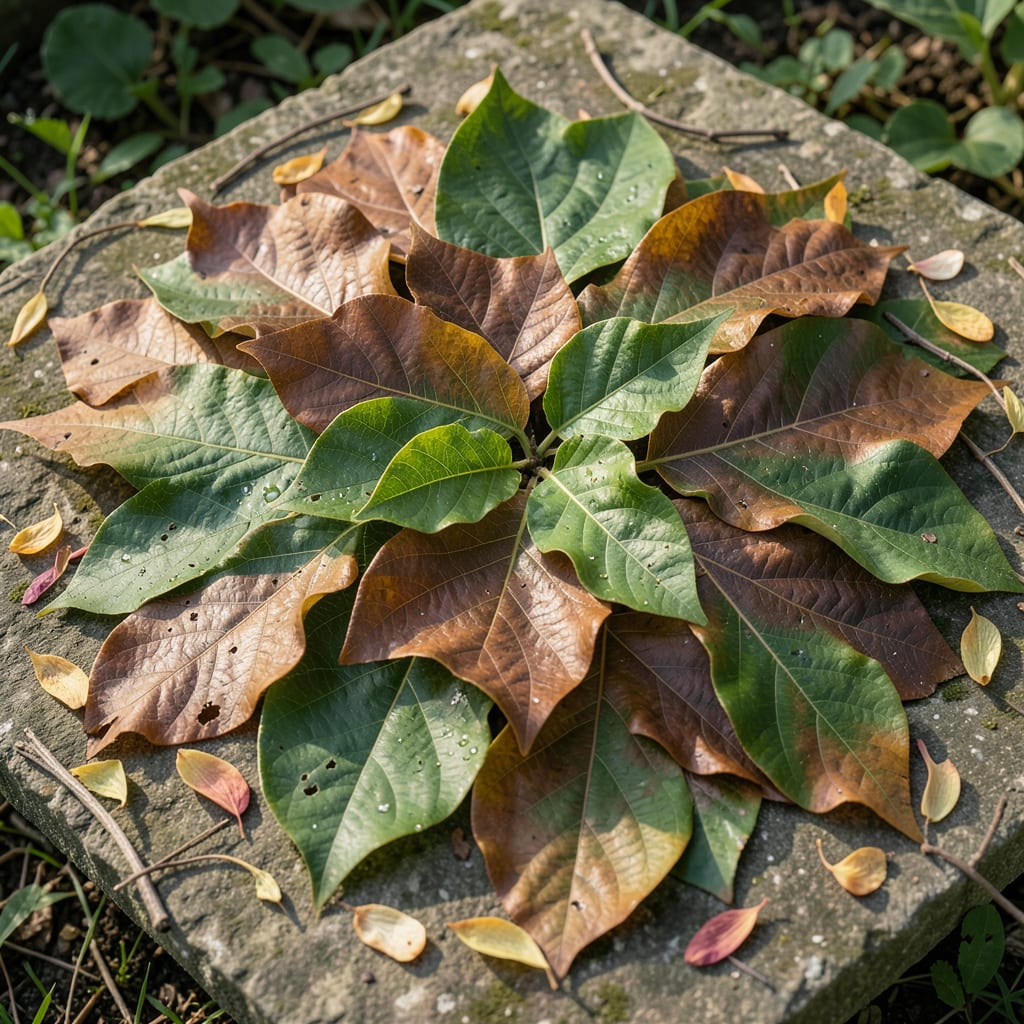
Brown loquat leaves always send my pulse racing. I’ve lost count of how many mornings I’ve stood staring at my tree, wondering if it’s thirsty, hungry, or under siege by invisible pests.
Here’s what I’ve learned: crispy edges scream water stress, while yellow-haloed spots usually point to nutrient shortages. A magnifying glass and a soil test kit have saved me from overreacting more times than I can remember.
Fixes are straightforward once you nail the diagnosis. Adjust watering, amend the soil, or treat for pests—most trees bounce back within 2-3 weeks if you act fast.
Prevention is simpler than cure. Consistent moisture, seasonal feeding, and early pest scouting keep leaves vibrant green year-round.
Loquat leaves turning brown can stem from several environmental and physiological factors. Below are the most frequent culprits, explained with actionable insights.
Inconsistent watering is a primary trigger. Drought stress causes leaves to dehydrate, leading to crispy brown edges (necrosis). Conversely, overwatering suffocates roots, reducing oxygen uptake and causing uniform browning. Loquats prefer well-draining soil; soggy conditions invite root rot, which manifests as yellowing followed by browning.
Loquats thrive in 60–85°F (15–29°C). Exposure to frost (<32°F/0°C) damages leaf tissues, resulting in blackened or dark brown patches. Heat stress (above 95°F/35°C) accelerates transpiration, leading to scorched, brittle leaves. Mulching and shade cloth can mitigate these effects.
Brown leaves often signal magnesium or potassium deficiency. Interveinal chlorosis (yellowing between veins) progressing to brown spots suggests magnesium lack. Potassium deficiency causes leaf margin scorching. A balanced fertilizer (e.g., 8-8-8 NPK) with micronutrients can correct this.
Pathogens like Alternaria or Phytophthora cause brown, circular lesions with yellow halos. High humidity and poor airflow exacerbate spread. Copper fungicides and improving ventilation are key treatments. Remove and destroy infected foliage to prevent recurrence.
Excessive fertilizer salts or tap water with high sodium/chloride levels lead to leaf tip burn. Flush the soil with distilled water to leach out salts, and switch to low-sodium water sources.
If your loquat leaves are turning brown, act fast to restore their health. Below are targeted fixes for common causes, along with prevention tips to keep your plant thriving.
Fix: Check the soil moisture by sticking your finger 2 inches deep. If it’s bone dry, water deeply until it drains from the bottom. If soggy, let the soil dry out before watering again. Ensure your pot has drainage holes to prevent root rot.
Prevention: Water only when the topsoil feels dry. Use a moisture meter for precision, and consider a well-draining potting mix with perlite.
Fix: Move potted loquats to a spot with dappled shade, especially during peak afternoon hours. For in-ground plants, use shade cloth to protect leaves from scorching.
Prevention: Acclimate young plants to sunlight gradually. Mulch around the base to retain moisture and regulate soil temperature.
Fix: Apply a balanced, slow-release fertilizer (10-10-10) or a citrus-specific blend to address deficiencies. Yellowing leaves with brown tips often signal magnesium or potassium lack—use Epsom salt (1 tbsp/gallon of water) for magnesium.
Prevention: Fertilize every 6-8 weeks during the growing season. Test your soil annually to tailor nutrient amendments.
Fix: Inspect leaves for pests like aphids or scale. Spray with neem oil or insecticidal soap, focusing on the undersides. Prune heavily infested leaves to stop the spread.
Prevention: Keep the area around your plant clean and debris-free. Introduce beneficial insects like ladybugs for natural pest control.
Fix: Trim blackened or mushy leaves caused by frost. Move potted plants indoors or to a sheltered area during cold snaps. Cover in-ground plants with frost cloth.
Prevention: Plant loquats in a microclimate protected from harsh winds. Avoid late-season fertilizing, which can encourage tender new growth.
Yes! Both underwatering and overwatering can cause browning. Check soil 2 inches deep—if dry, water thoroughly; if soggy, let it dry out. Always use pots with drainage holes.
Look for yellowing between veins or brown leaf edges. These often signal magnesium or potassium shortages. A soil test can confirm, but a balanced 10-10-10 fertilizer usually helps.
Frost or temps below 32°F (0°C) damage leaves, turning them black or dark brown. Protect plants with frost cloth or move potted ones indoors.
Yes, but only if the damage is severe or spreading. Trim dead or heavily browned leaves to redirect energy to healthy growth. Always sterilize pruning tools first.
