
Beautiful Plants For Your Interior
Beautiful Plants For Your Interior
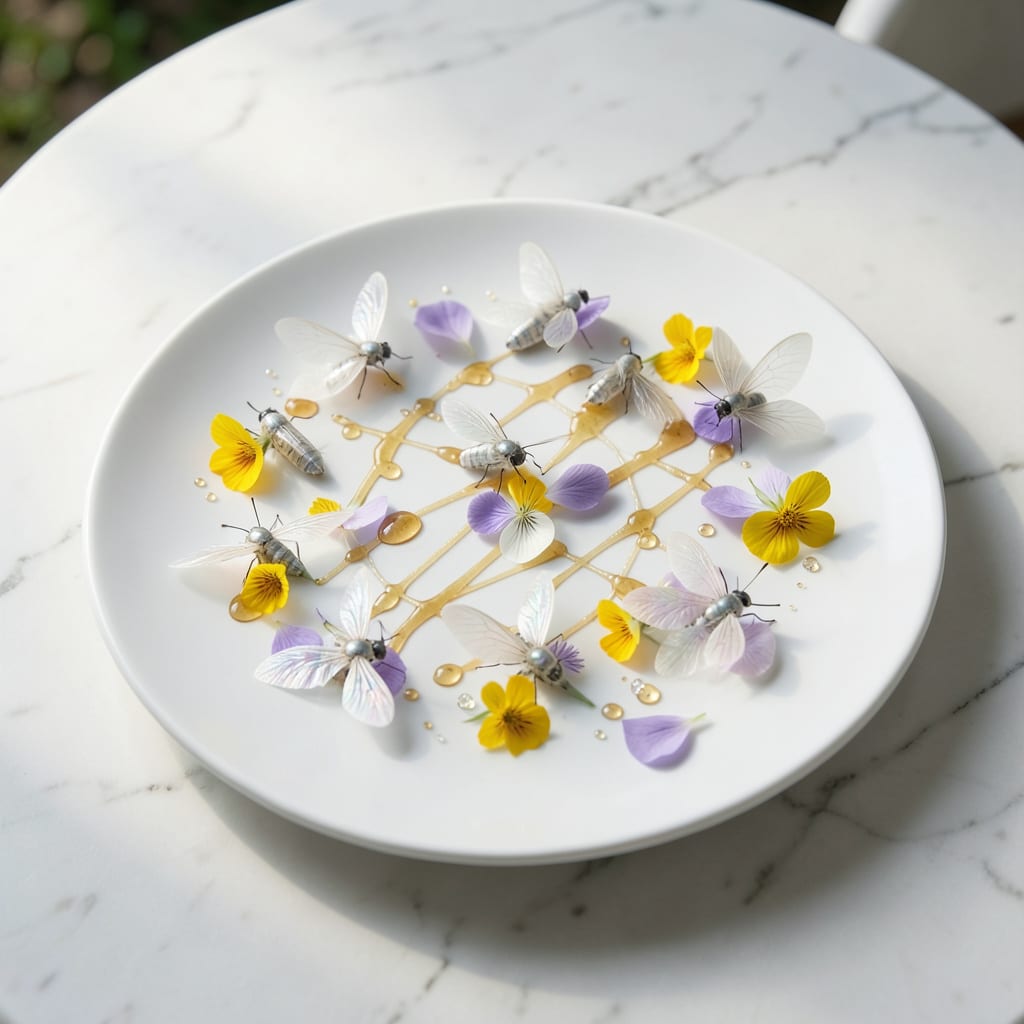
Tiny white bugs swarming your houseplants are usually whiteflies or fungus gnats. 🌿 I’ve battled both, and neither means your plants are doomed—just that they need some intervention.
The good news? Non-toxic solutions work fast and won’t harm your plants or family. Yellow sticky traps catch adults, while neem oil or insecticidal soap stops the next generation. Consistency is key—2-3 weeks of treatment breaks their life cycle.
📚 In This Guide
Here’s my proven method for eliminating these pests without harsh chemicals.
First, confirm you’re dealing with whiteflies by checking the undersides of leaves where they cluster. These tiny white winged insects will scatter when disturbed. I immediately move the infested plant away from others to prevent spreading—whiteflies reproduce rapidly and will jump to neighboring plants within days.
Examine all houseplants within a 3-foot radius thoroughly. Look for sticky honeydew residue on leaves (a telltale sign of whitefly activity) or the insects themselves. This early isolation is crucial—it contains the infestation before it becomes a full-blown outbreak.
Take the plant to a sink or bathtub and gently spray all surfaces with lukewarm water. Use a soft stream to avoid damaging leaves while dislodging adult whiteflies. I focus on the undersides first, then the stems and top surfaces, repeating until no more insects appear when I shake the plant.
This physical removal disrupts their life cycle immediately. You’ll see them floating away in the water stream. Repeat this process every 2-3 days for 2 weeks to catch newly hatched adults before they can reproduce.
Using clean, sharp scissors, remove any leaves showing significant whitefly activity or honeydew buildup. I cut these at the base where they meet the stem, being careful not to drop the infected foliage onto other plants. Dispose of the pruned material in a sealed bag to prevent any surviving insects from escaping.
This reduces the pest population significantly. For severe infestations, don’t hesitate to prune aggressively—healthy plants recover quickly once the pest pressure is removed. Always sterilize your scissors with rubbing alcohol after pruning to avoid transferring pests to other plants.
Introduce beneficial insects like ladybugs or lacewing larvae that feed on whiteflies. I place 2-3 ladybugs per affected plant in the evening when they’re less likely to fly away. Alternatively, use yellow sticky traps near infested plants to catch adult whiteflies.
These biological controls work best when combined with your other efforts. You’ll notice fewer adults within 3-5 days of introducing predators. The traps also help monitor the infestation level—when you stop catching whiteflies, you’ve gained control.
Check all houseplants weekly, paying special attention to new growth where whiteflies prefer to lay eggs. I use a magnifying glass to spot the tiny white eggs on leaf undersides before they hatch. Catching them early prevents the next generation from emerging.
Consistency is key—whiteflies can rebound quickly if you let your guard down. After 4 weeks of no new sightings, reduce inspections to biweekly. This ongoing monitoring ensures your plants stay whitefly-free long-term.
These small adjustments make a big difference in eliminating whiteflies effectively.
Isolation Strategy: In Step 1, don’t just move the infested plant—examine every plant within that 3-foot radius immediately. Whiteflies spread faster than you think, and early containment prevents weeks of frustration. I learned this after losing an entire windowsill of herbs to one overlooked plant.
Spray Technique: During Step 2, use lukewarm water and focus on leaf undersides first, where whiteflies cluster. The soft stream is key—too much pressure can damage leaves, while too little won’t dislodge them. Repeat every 2-3 days for the full 2 weeks; skipping even one session lets the cycle restart.
Pruning Precision: For Step 3, sterilize your scissors with rubbing alcohol before and after pruning. This prevents transferring pests or eggs to healthy plants. Seal pruned material in a bag immediately—whiteflies can escape from open trash cans and reinfest your space.
Monitoring Mindset: In Step 5, consistency is everything. Use a magnifying glass to check leaf undersides weekly, especially new growth. After 4 weeks of no sightings, you can reduce inspections, but don’t stop entirely—whiteflies can rebound from just a few overlooked eggs.
These are likely whiteflies or fungus gnats, common pests attracted to moist soil and organic matter. They thrive in warm, humid conditions and can quickly multiply if not addressed.
Use neem oil, insecticidal soap, or a mix of water and dish soap to spray affected plants. Yellow sticky traps can also help catch adult insects. Ensure proper drainage to reduce moisture.
Act as soon as you spot them! Early intervention prevents them from spreading. Treat in the morning or evening when insects are most active for better results.
They won’t harm humans but can weaken plants by sucking sap or damaging roots. Severe infestations may stunt growth or cause yellowing leaves.
Avoid overwatering, use well-draining soil, and keep your plants clean. Regularly inspect new plants before bringing them indoors to prevent reintroducing pests.
