
Beautiful Plants For Your Interior
Beautiful Plants For Your Interior
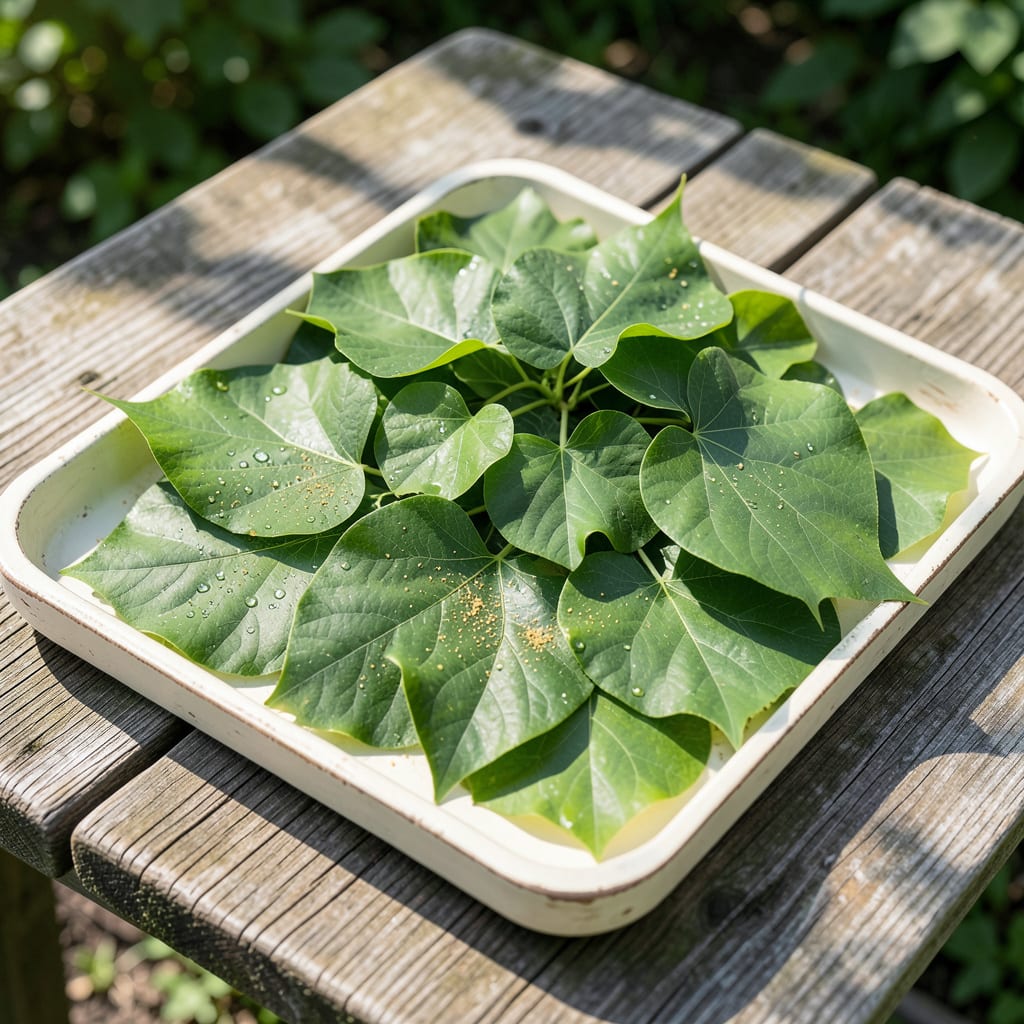
Little leaf linden trees bring fragrant, heart-shaped leaves to urban spaces where other trees fail.
I planted my first one five years ago in a tight sidewalk strip. It thrives in poor soil, handles drought, and those golden fall leaves? Worth every bit of minimal pruning they need.
📚 In This Guide
Here’s the method I use to grow and maintain the beautiful foliage of this tree.
Select a spot with full sun to partial shade—at least 6 hours of direct sunlight daily ensures the best foliage density. Little leaf lindens tolerate urban conditions well, but avoid areas with heavy pollution where leaves might accumulate grime.
Check soil drainage by digging a 12-inch deep hole and filling it with water. If it drains within 1-2 hours, the location is suitable. Poor drainage leads to yellowing leaves and root rot, which this tree hates.
Dig a hole twice as wide as the root ball but no deeper. Planting too deep suffocates the trunk and causes stress, which shows up as wilting or leaf drop. Position the tree so the root flare (where roots meet trunk) sits 1-2 inches above ground level.
Space trees 20-30 feet apart to accommodate their mature spread. Crowding leads to poor air circulation, which invites fungal issues like powdery mildew—you’ll notice white coatings on the heart-shaped leaves if this happens.
Water deeply after planting, giving the tree 10-15 gallons to settle the soil around roots. For the first 2-3 months, water 2-3 times weekly unless rainfall provides 1 inch per week. Check soil moisture by sticking your finger 2 inches deep—water when it feels dry.
Apply a 2-3 inch layer of mulch around the base, keeping it 6 inches away from the trunk to prevent rot. Organic mulch like wood chips helps retain moisture and keeps roots cool, which this tree appreciates during hot summers.
Prune in late winter or early spring before new growth starts. Remove dead, diseased, or crossing branches first—these can rub and damage the bark, leading to stress that affects leaf production. Use clean, sharp tools to make cuts just outside the branch collar.
Avoid heavy pruning in fall, as it stimulates new growth that won’t harden off before winter. Light shaping is fine, but never remove more than 25% of the canopy in a single year. This tree recovers slowly from aggressive cuts, and you’ll see sparse foliage the following season.
Inspect leaves regularly for pests like aphids or linden borers, which appear as small holes or sawdust-like frass near the trunk. A strong blast of water often dislodges aphids, but borers may require professional treatment. Yellowing leaves in summer often indicate under-watering or nutrient deficiencies.
Fertilize in early spring with a balanced, slow-release product if growth seems sluggish. You’ll know it’s working when new leaves emerge a vibrant green and maintain their heart shape. Avoid high-nitrogen fertilizers late in the season, as they promote soft growth vulnerable to winter damage.
These practical insights will help you maintain vibrant, healthy foliage with minimal effort.
Sunlight Requirement: In Step 1, that 6 hours of direct sunlight daily isn’t just a suggestion—it’s essential for dense, fragrant leaves. I’ve seen trees in shadier spots develop sparse canopies. If your yard doesn’t get full sun, prioritize morning light over afternoon shade.
Drainage Test: That 1-2 hour drainage test in Step 1 is your best insurance against root rot. Dig the 12-inch hole exactly as specified—any shallower and you might miss compacted soil layers. If water sits longer than 2 hours, consider amending the soil or choosing a different location.
Planting Depth: In Step 2, placing the root flare 1-2 inches above ground level prevents trunk suffocation. Here’s what nobody tells you—this measurement is from the top of the root ball, not the soil line. Use a ruler if you’re unsure; I learned this the hard way after losing a sapling to improper planting.
Watering Wisdom: Those first 2-3 months in Step 3 are critical for root establishment. The 10-15 gallons immediately after planting settles the soil and eliminates air pockets. After that, the 2 inches deep finger test is more reliable than any schedule—trust the soil, not the calendar.
Yellowing leaves often signal overwatering, nutrient deficiencies, or poor drainage. Check soil moisture and ensure proper fertilization. Pests or diseases like aphids or powdery mildew can also cause discoloration—inspect leaves closely.
This deciduous tree typically sheds leaves in late fall, around October to November, depending on your climate. Expect a golden-yellow display before they drop, making it a great choice for seasonal interest.
No, the leaves are not edible and may cause stomach upset if ingested. However, their fragrant flowers are beloved by bees, making the tree a pollinator-friendly option for gardens.
Water deeply 1-2 times per week during dry spells, focusing on the root zone. Mulching helps retain moisture. Young trees need extra attention, while established ones tolerate moderate drought better.
