
Beautiful Plants For Your Interior
Beautiful Plants For Your Interior
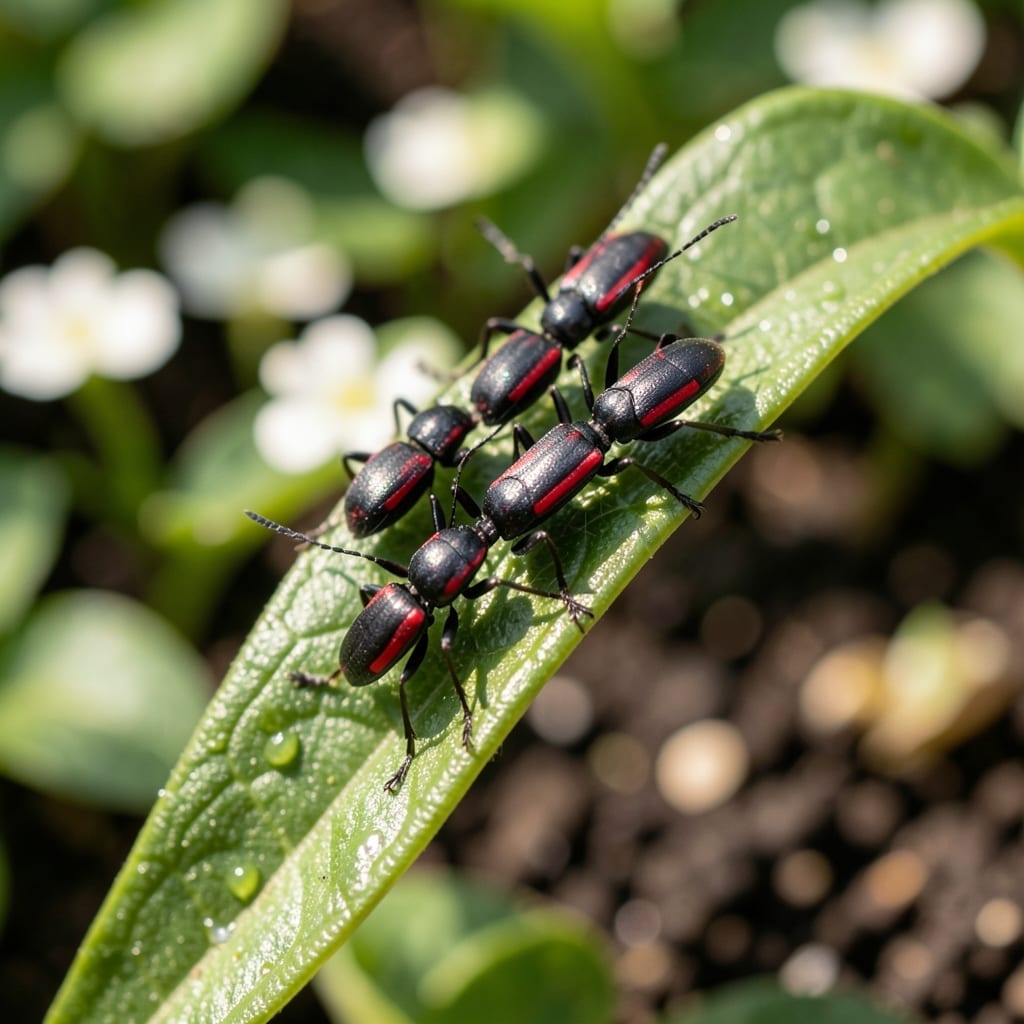
Spotted tiny black bugs with bright red stripes crawling on your plants? These are likely boxelder bugs or milkweed bugs, common garden visitors that can quickly become pests.
I first noticed them clustering on my milkweed last summer, and within days they’d spread to nearby vegetation. They don’t bite humans but can damage plants by sucking sap from leaves and stems.
Natural eradication works best. A simple soap spray or neem oil treatment can eliminate them without chemicals. The key is catching them early before they multiply.
Prevention is simpler than you think: remove their favorite host plants, seal entry points, and maintain garden cleanliness to keep them from returning next season.
The appearance of small, striped insects is rarely random. These pests thrive under specific environmental and behavioral conditions. Understanding the root causes helps prevent future outbreaks.
Dense plant beds, tall grass, or thick mulch create ideal breeding grounds. These areas retain moisture and provide shelter, attracting insects like the cucumber beetle or firefly larvae, which often display dark bodies with red or orange markings. Regular trimming and thinning vegetation disrupt their lifecycle.
Standing water, leaky hoses, or poor drainage invite these bugs. Many species, including certain soldier beetles, are drawn to damp soil for egg-laying. Fixing irrigation issues and improving soil drainage can significantly reduce their presence.
Piles of leaves, rotting wood, or compost heaps offer food and protection. Species like the blister beetle feed on decaying matter and use it as a nursery. Clearing yard waste and maintaining compost bins properly removes their food source.
Monoculture gardens (growing only one type of plant) attract specific pests. For example, striped cucumber beetles target squash and melons. Introducing companion plants like marigolds or nasturtiums can repel them naturally.
Dealing with these striped invaders? Here’s how to tackle each common cause and keep them from coming back.
If you spot them on plants, prune affected areas and dispose of them in sealed bags. Use a neem oil spray (mix 1 tbsp of neem oil with 1 quart of water and a few drops of dish soap) to treat leaves. Prevention tip: 🌱 Inspect new plants before bringing them home to avoid introducing pests.
For bugs inside, vacuum thoroughly and seal the bag immediately. Wipe surfaces with a vinegar-water solution (1:1 ratio) to disrupt their scent trails. Prevention tip: 🚪 Seal cracks and gaps in windows, doors, and walls to block entry points.
If they’re near food, store all items in airtight containers and clean spills promptly. Use diatomaceous earth (food-grade) in pantries—sprinkle lightly and vacuum after a few days. Prevention tip: 🧹 Take out trash regularly and keep kitchen surfaces spotless.
For outdoor nests, remove debris, mulch, or leaf piles where they hide. Apply insecticidal soap to infested areas, focusing on undersides of leaves. Prevention tip: 🌳 Keep your yard tidy and trim overgrown vegetation to reduce hiding spots.
Pro tip: ✨ Consistency is key—repeat treatments every 7–10 days until the bugs are gone, as eggs may hatch later.
Yes, they can damage plants by sucking sap from leaves and stems. Boxelder bugs and milkweed bugs, in particular, may cause wilting or stunted growth if left unchecked.
No, these insects are not known to bite humans. They’re primarily a nuisance to plants and may release an unpleasant odor when crushed.
A neem oil spray or insecticidal soap works well. Mix 1 tablespoon neem oil with 1 quart water and a few drops of dish soap, then apply to affected areas.
Yes, they may enter homes through cracks or gaps, especially during cooler months. Seal entry points and vacuum any you find inside.