
Beautiful Plants For Your Interior
Beautiful Plants For Your Interior
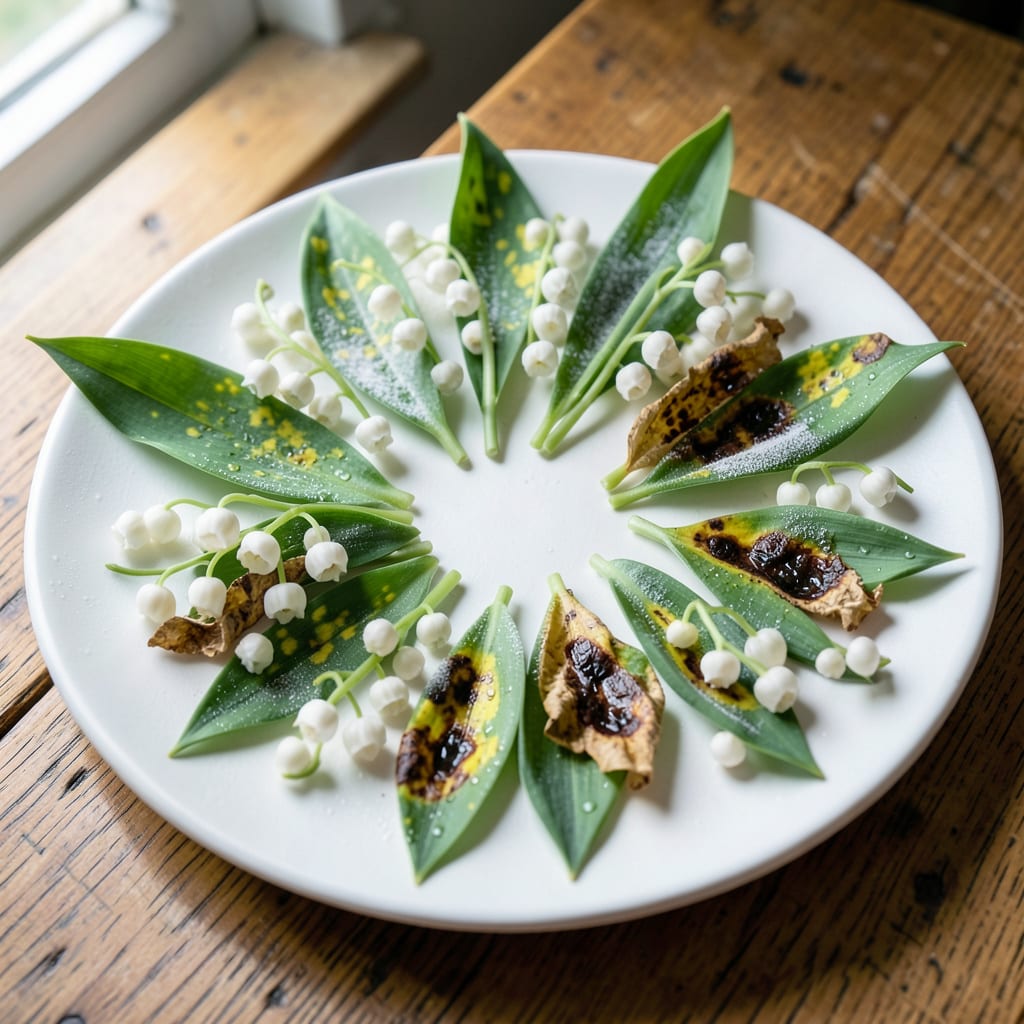
Spotted leaves or wilting stems on your lily of the valley signal trouble. 🌿 I’ve battled these issues myself and learned that early action saves plants. Fungal spots, powdery mildew, and root rot are the usual culprits.
The good news? Most problems stem from too much moisture or poor airflow. Overwatering, crowded beds, and damp conditions create the perfect storm. I’ve lost plants to these mistakes—don’t repeat them.
Organic fixes like neem oil, baking soda sprays, or simply improving drainage can turn things around. Consistent care prevents most outbreaks before they start.
Healthy lily of the valley thrives with bright shade and well-draining soil. Keep an eye on your plants, and they’ll reward you with those iconic bell-shaped blooms.
Understanding why lily of the valley diseases occur is the first step toward prevention and organic treatment. These resilient plants can fall victim to problems due to environmental stressors, poor cultural practices, or pathogens. Below are the primary causes, explained scientifically but practically.
Lily of the valley thrives in moist, well-drained soil, but overwatering or compacted soil creates anaerobic conditions. This suffocates roots and encourages fungal pathogens like Phytophthora and Rhizoctonia, which cause root rot. Waterlogged soil also promotes bacterial soft rot (Erwinia spp.), leading to wilting and yellowing foliage.
Fungi such as Botrytis cinerea (gray mold) thrive in humid, crowded conditions, causing spotted or blighted leaves. Bacterial leaf scorch (Xylella fastidiosa) blocks the plant’s vascular system, leading to marginal leaf burn. These pathogens often spread via contaminated tools, splashing water, or infected plant debris.
Sap-sucking pests like aphids and spider mites pierce plant tissues, creating entry points for viruses and secondary infections. Their feeding stress also reduces the plant’s vigor, making it more susceptible to diseases. Regular inspection and organic pest control (e.g., neem oil) can mitigate this risk.
Extreme temperatures, heat stress, or sudden frost can weaken lily of the valley, lowering its resistance to pathogens. Poor air circulation in shaded, dense plantings exacerbates fungal growth. Ensuring proper spacing and mulching to moderate soil temperature can reduce stress-related diseases.
Keeping your lily of the valley healthy starts with quick action and smart habits. Below are targeted fixes for common issues, paired with prevention tips to stop problems before they start.
Fix: Remove infected leaves immediately and discard them away from the garden. Spray the remaining plants with a mix of 1 tsp baking soda + 1 quart water + a few drops of dish soap. For stubborn cases, use neem oil (follow label instructions).
Prevent: Improve air circulation by spacing plants 12–18 inches apart. Water at the base (not overhead) in the morning so foliage dries quickly. 💡 Mulch with straw to reduce soil splashing onto leaves.
Fix: Blast aphids off with a strong water spray early in the day. For slugs, set out beer traps or sprinkle diatomaceous earth around plants. Handpick pests if the infestation is light.
Prevent: Attract natural predators like ladybugs by planting marigolds or yarrow nearby. Keep the garden free of debris where pests hide. 🎯 Rotate crops yearly to disrupt pest life cycles.
Fix: Stop watering immediately and let the soil dry out. If the roots are mushy, trim the affected parts with sterilized shears and repot in fresh, well-draining soil. Add perlite to improve drainage.
Prevent: Plant in raised beds or containers with drainage holes. Water only when the top inch of soil feels dry. ✨ Use a moisture meter to avoid guesswork.
Fix: Move potted plants to a shadier spot or provide temporary shade cloth (30–40% coverage). Trim brown, crispy leaves to redirect energy to healthy growth.
Prevent: Plant in partial shade, especially in hot climates. Mulch with organic matter to retain soil moisture and cool roots. 🌡️ Water deeply in the early morning to prep plants for heat.
Overwatering or poor drainage often leads to yellowing foliage. Root rot from soggy soil suffocates roots, while bacterial soft rot causes wilting and discoloration. Check soil moisture and improve drainage immediately.
Space plants 12–18 inches apart for airflow and water at the base in the morning. Remove infected leaves promptly and apply a baking soda spray weekly as a preventive measure.
Yes, if caught early. Stop watering, trim mushy roots with sterilized shears, and repot in fresh, well-draining soil. Add perlite to improve drainage and prevent future issues.
