
Beautiful Plants For Your Interior
Beautiful Plants For Your Interior
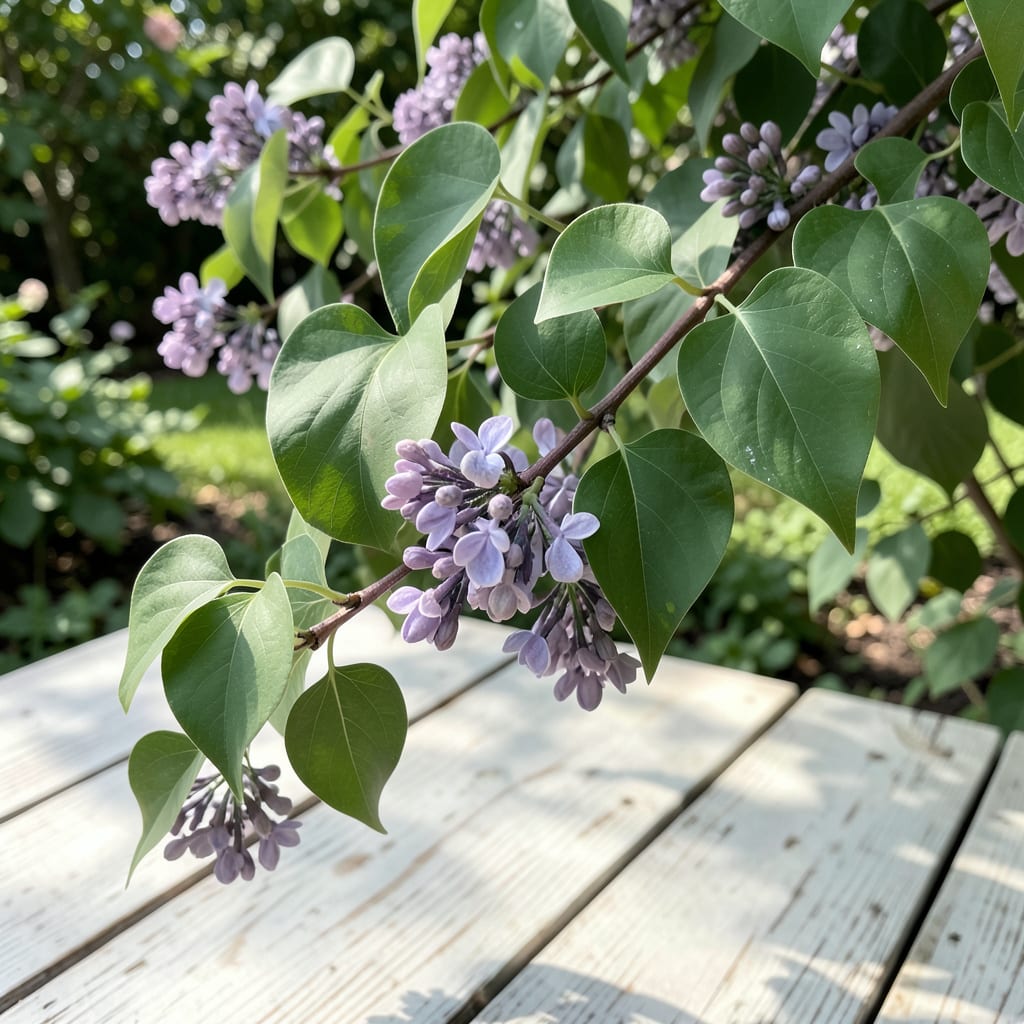
Curling lilac leaves hit me with that sinking feeling last spring. 🌿 Turns out, it’s usually one of three culprits: thirsty roots, sneaky pests, or a fungus throwing a party on your poor tree.
I nursed my lilac back by checking soil moisture first—dry 2 inches down means it’s begging for water. Then I inspected the undersides of leaves for aphids or scale, those tiny vampires sucking the life out of new growth.
For fungal issues, removing affected leaves and improving airflow did the trick. Within 2 weeks, the new leaves unfurled normally, and the tree looked ready to take on the world again.
Prevention’s simpler than you think: consistent watering, a quick pest patrol every few days, and keeping the area around the base clean. Your lilac will thank you with those fragrant blooms next season.
Lilac tree leaves curling is often a sign of underlying stress or disease. Here are the most common causes, explained simply:
Extreme temperatures, drought, or sudden weather changes can cause leaves to curl as a protective response. Lilacs prefer well-drained soil and may react to overwatering or underwatering by curling their leaves to conserve moisture. High humidity or heatwaves can also trigger this reaction.
Common pests like aphids, scale insects, or lilac borers feed on sap, weakening the tree and causing leaves to curl. Aphids, in particular, secrete a sticky substance (honeydew) that can lead to sooty mold, further stressing the plant.
Diseases such as powdery mildew or bacterial leaf spot can distort leaf growth, leading to curling. Fungal spores thrive in wet, humid conditions, while bacterial infections often spread through contaminated tools or water.
A lack of essential nutrients like magnesium or iron can manifest as leaf curling. Yellowing between leaf veins (interveinal chlorosis) often accompanies this issue, signaling the need for soil testing and targeted fertilization.
Exposure to herbicides, even indirectly (e.g., drift from nearby spraying), can cause leaves to curl or cup. Lilacs are sensitive to chemicals like 2,4-D, commonly found in broadleaf weed killers.
Once you’ve identified the cause, these targeted fixes will help restore your lilac’s health. Act quickly to prevent lasting damage.
Yes, lilacs curl leaves to conserve moisture. Check soil 2 inches deep—if dry, water deeply at the base. Morning watering prevents evaporation loss.
Aphids and scale insects are common culprits. Inspect leaf undersides for tiny bugs or sticky residue. Treat with neem oil or insecticidal soap.
Remove severely damaged leaves or branches to improve airflow. Sterilize tools between cuts to prevent spreading disease. Avoid heavy pruning during active growth.
With proper treatment, new growth should appear normal within 2-3 weeks. Severely stressed trees may take a full season to recover completely.
