
Beautiful Plants For Your Interior
Beautiful Plants For Your Interior
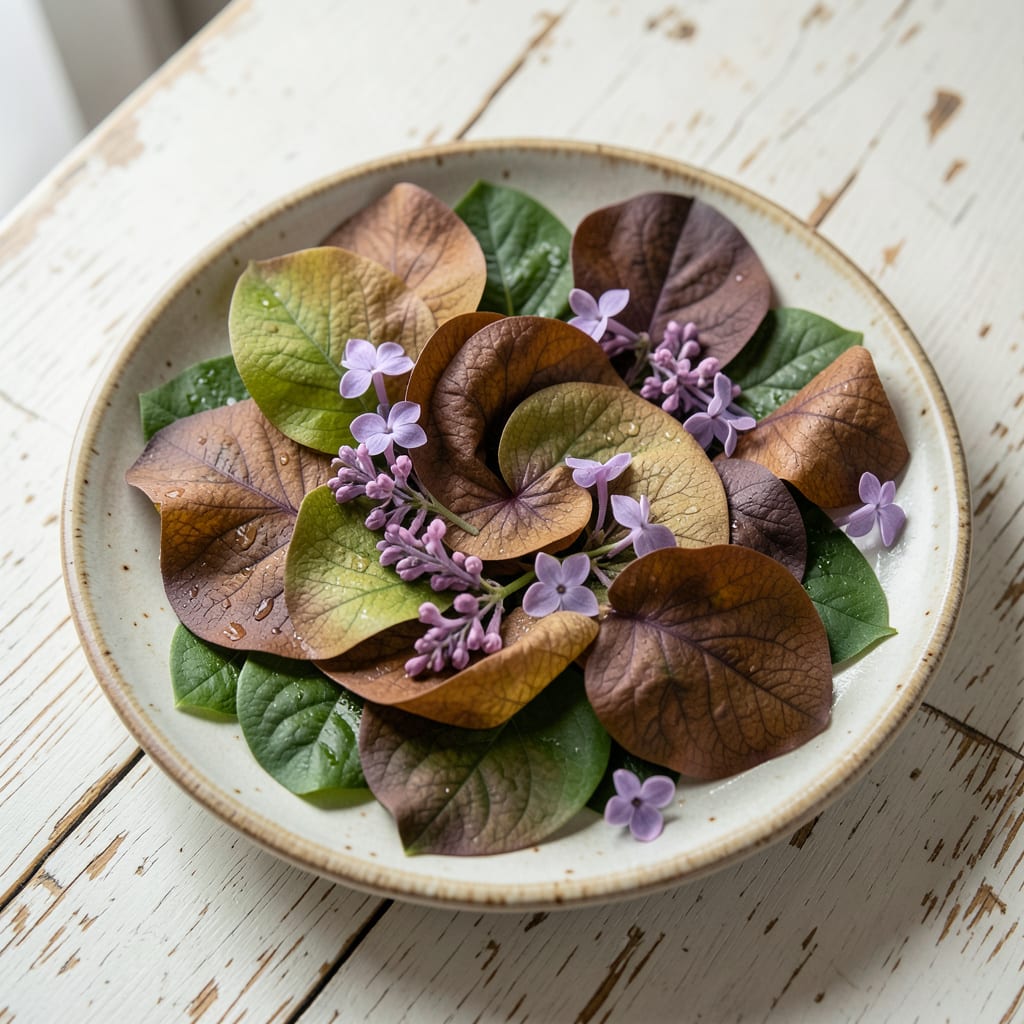
Brown lilac leaves hit me hard last summer. 🌿 I’d babied those bushes for years, then suddenly the edges crisped like old paper. Turns out, it wasn’t disease—just my watering timing clashing with the heat.
The fix is simpler than you think. Most cases come down to either too much sun without enough water, or soggy roots from overwatering. I adjusted my routine and saw new green growth within 2 weeks.
You’ll spot the difference between sun scorch (dry, papery edges) and water stress (yellowing first). Both fix with consistent moisture and a little shade during peak heat.
Works for established bushes and new plantings alike. Here’s how to diagnose and correct it for good.
Lilac leaves turning brown often stem from environmental stress or care imbalances. Below are the most frequent culprits, explained with actionable insights.
Intense sunlight can burn lilac foliage, especially in hot climates. Lilacs thrive in full sun to partial shade, but prolonged exposure to direct, scorching rays (especially in drought conditions) disrupts chlorophyll, leading to crispy, brown edges. Fix: Provide afternoon shade or use shade cloth during heatwaves.
Both underwatering and overwatering trigger browning. Drought stress causes leaves to dry out and crisp, while root rot from soggy soil blocks nutrient uptake, turning leaves brown and mushy. Fix: Water deeply 1–2 times weekly (adjust for rainfall) and ensure well-draining soil.
Pathogens like Verticillium wilt or leaf spot diseases (e.g., Cercospora) invade stressed plants, causing brown patches with yellow halos. These thrive in humid, poorly ventilated conditions. Fix: Prune infected leaves, improve airflow, and apply copper-based fungicide preventatively.
A lack of potassium or magnesium can manifest as brown leaf margins (scorching) or interveinal browning. Lilacs prefer slightly alkaline soil (pH 6.5–7.5). Fix: Test soil and amend with compost or a balanced fertilizer (10-10-10) in early spring.
Late frosts or temperature fluctuations can desiccate evergreen lilacs or damage new growth. Fix: Mulch heavily in fall and avoid pruning before winter to minimize vulnerability.
When your lilac’s leaves start turning brown, quick action can restore its health. Below are targeted fixes for the most common causes, along with prevention tips to keep your shrub thriving.
If excessive sunlight is the culprit, provide afternoon shade using a shade cloth or plant taller companions nearby. Move potted lilacs to a spot with dappled sunlight. Prevention tip: 💡 Mulch around the base to retain soil moisture and reduce heat stress.
For underwatered lilacs, soak the soil deeply (1–2 inches per week) and ensure the root zone stays consistently moist. For overwatered plants, improve drainage by amending the soil with compost or creating small mounds to elevate roots. Prevention tip: ✨ Water early in the morning to reduce evaporation and fungal risks.
Prune affected leaves and branches immediately, using sterilized tools to avoid spreading spores. Apply a copper-based fungicide as directed. Prevention tip: 🎯 Space plants for airflow, and avoid overhead watering to keep foliage dry.
Test soil pH—lilacs prefer slightly alkaline (6.5–7.0). Amend with lime if too acidic. Feed with a balanced fertilizer in early spring, but avoid over-fertilizing. Prevention tip: 🌡️ Add organic matter annually to improve soil structure and nutrient retention.
With these adjustments, your lilac can bounce back and reward you with vibrant blooms next season!
Sun scorch shows as dry, papery edges on leaves exposed to harsh light. Water stress causes yellowing first, then browning. Check soil: if dry, it’s underwatering; if soggy, it’s overwatering.
Once leaves turn brown, they won’t recover. Focus on fixing the underlying issue to encourage new, healthy growth. Remove damaged leaves to redirect the plant’s energy.
Water deeply in the early morning to allow foliage to dry before evening. This prevents fungal growth while ensuring roots absorb moisture. Aim for 1–2 inches weekly.
A baking soda solution (1 teaspoon per quart of water) can help mild cases. For severe infections, use a copper-based fungicide and prune affected areas immediately.
