
Beautiful Plants For Your Interior
Beautiful Plants For Your Interior
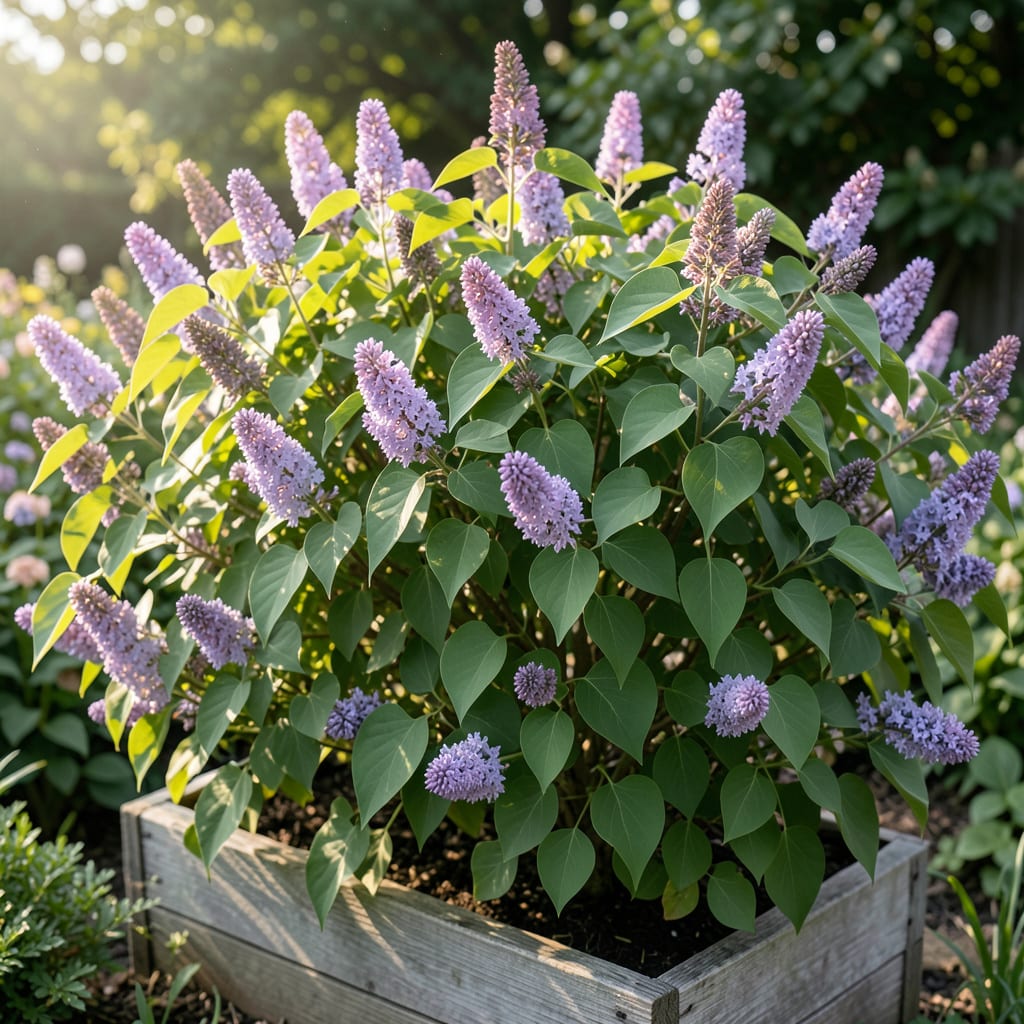
Curling leaves on your lilac bush aren’t just unsightly—they’re a cry for help. I’ve seen this exact problem in my own garden, and the causes range from sneaky pests to environmental stress that’s easier to fix than you’d think.
Most often, it’s aphids or leafhoppers sucking the life out of those leaves, but drought, overwatering, or even a sudden temperature swing can trigger the same reaction. The good news? You can usually spot the difference with a close look at the damage.
Once you identify the issue, targeted solutions work fast. A strong blast of water dislodges pests, while adjusting watering or adding mulch handles stress. Your lilac will bounce back with the right approach.
Prevention is simpler than the cure—regular inspections and consistent care keep problems from taking hold in the first place.
Lilac bush leaves curling is often a sign of underlying stress or disease. Here are the most common causes, explained scientifically:
Insects like aphids, lilac borers, or spider mites feed on sap, disrupting the plant’s water and nutrient flow. Aphids, for instance, inject toxins while feeding, causing leaves to distort and curl. Check the undersides of leaves for sticky residue (honeydew) or visible pests.
Extreme heat, drought, or sudden temperature swings can trigger leaf curling as a survival response. Lilacs prefer consistent moisture—dry soil forces leaves to curl to reduce water loss. Overwatering, however, can suffocate roots, leading to similar symptoms.
Pathogens like powdery mildew or bacterial blight disrupt cellular function, causing leaves to curl and yellow. Powdery mildew thrives in humid conditions, coating leaves in a white powder that blocks photosynthesis.
Lack of magnesium or potassium can manifest as curled leaves. Magnesium is vital for chlorophyll production, and its deficiency often causes interveinal yellowing alongside curling. A soil test can confirm imbalances.
Actionable tip: Address each cause methodically—inspect for pests, adjust watering, or apply fungicides/fertilizers as needed.
When your lilac bush leaves start curling, quick and targeted action can restore its health. Below are practical fixes for the most common causes, along with prevention tips to keep your plant thriving.
For aphids, mites, or scale insects, blast leaves with a strong stream of water to dislodge pests. Follow up with a neem oil or insecticidal soap spray (1 tbsp soap per quart of water). Apply every 5–7 days until pests are gone.
Prevention tip: 💡 Encourage ladybugs and lacewings—natural predators—by planting pollinator-friendly flowers nearby.
If powdery mildew or leaf spot is the culprit, prune infected leaves and thin out dense branches to boost airflow. Treat with a baking soda spray (1 tsp baking soda + 1 quart water + a drop of dish soap) weekly.
Prevention tip: 🌿 Avoid overhead watering; water at the base to keep foliage dry.
For heat or drought stress, water deeply 1–2 times per week (early morning) and add a 2–3 inch layer of mulch to retain moisture. If overwatering is the issue, let the soil dry slightly between waterings.
Prevention tip: 🎯 Test soil moisture with your finger—water only when the top inch feels dry.
A balanced fertilizer (10-10-10) in early spring can correct deficiencies. For iron or magnesium shortages (yellowing + curling), use chelated iron or Epsom salt (1 tbsp per gallon of water) as a foliar spray.
Prevention tip: ✨ Test soil every 2–3 years and amend with compost for long-term fertility.
Check the undersides of leaves for tiny insects or sticky residue. Aphids and spider mites often cluster there, and their feeding causes leaves to distort. A magnifying glass helps spot these pests early.
Yes, soggy soil suffocates roots, preventing water and nutrient uptake. This triggers leaf curling as the plant struggles to survive. Always check soil moisture before watering.
Removing infected leaves and thinning branches improves airflow, reducing humidity where fungi thrive. Disinfect pruners between cuts to avoid spreading disease.
Feed once in early spring with a balanced fertilizer. Avoid over-fertilizing, which can stress the plant. A soil test every 2-3 years ensures you’re addressing actual deficiencies.
