
Beautiful Plants For Your Interior
Beautiful Plants For Your Interior
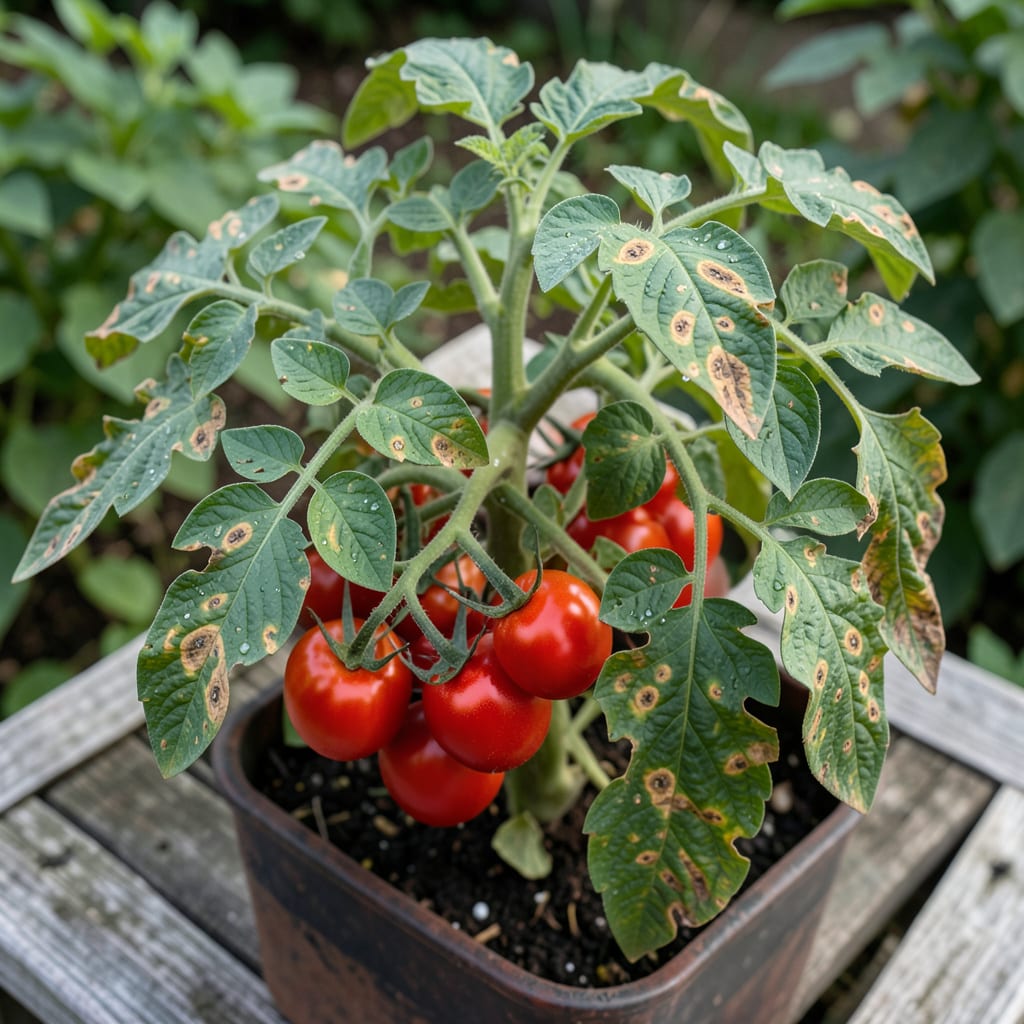
Those light brown spots on your tomato leaves aren’t just ugly—they’re a warning. I’ve seen early blight, septoria, and nutrient deficiencies all start with that same subtle discoloration.
Here’s the thing— most gardeners mistake these for water stress or sunburn. The real culprits are usually fungal spores hiding in soil or splashing up from rain. Left unchecked, they’ll spread to fruit and kill plants by midsummer.
You can stop the damage with 3 simple steps: remove infected leaves immediately, improve air circulation, and apply the right treatment. Copper fungicide works for fungi, while Epsom salts fix magnesium shortages.
Prevention is easier than cure. Rotate crops yearly, water at the base, and keep foliage dry. Your tomatoes will thank you with healthier growth and a bigger harvest.
Light brown spots on tomato leaves often signal underlying issues that disrupt the plant’s health. Below are the most common causes, explained with scientific precision to help you diagnose and act quickly.
The primary culprit is Alternaria solani, a fungus that thrives in warm, humid conditions. It produces concentric brown spots with a yellow halo, often starting on lower leaves. Spores spread via water splashes or wind, infecting plants through wounds or stomata. Poor air circulation and wet foliage accelerate its growth.
Pseudomonas syringae bacteria cause small, water-soaked lesions that turn light brown with a yellow edge. Unlike fungal spots, these often have a greasy appearance. Bacteria enter through natural openings or injuries, multiplying rapidly in moist environments. Overhead irrigation and crowded plantings worsen the issue.
Potassium or magnesium shortages can manifest as brown, necrotic spots. Potassium deficiency often shows as irregular brown patches on older leaves, while magnesium deficiency causes interveinal chlorosis (yellowing between veins) with brown speckles. Soil pH imbalances (too acidic or alkaline) may block nutrient uptake, even if the soil is rich.
Extreme heat, drought, or excessive sunlight can scorch leaves, creating dry, light brown patches. This is especially common in container-grown tomatoes exposed to reflective surfaces. Inconsistent watering—alternating between drought and overwatering—also stresses plants, making them vulnerable to secondary infections.
Actionable Tip: Inspect leaves closely for patterns (e.g., concentric rings = fungal, greasy edges = bacterial) to pinpoint the cause.
Addressing light brown spots on tomato leaves starts with pinpointing the cause. Below are targeted solutions for the most common culprits, along with prevention tips to keep your plants thriving. 🌱
Fungal spots often have concentric rings or yellow halos, while pest damage looks like tiny dots or speckles. Check leaf undersides for webbing (mites) or sticky residue (aphids).
Yes, pruning infected leaves immediately can prevent further spread, especially with fungal issues. Always disinfect pruners between cuts with rubbing alcohol.
Overwatering leads to root stress and fungal growth, which can manifest as light brown patches. Let soil dry slightly between waterings.
