
Beautiful Plants For Your Interior
Beautiful Plants For Your Interior
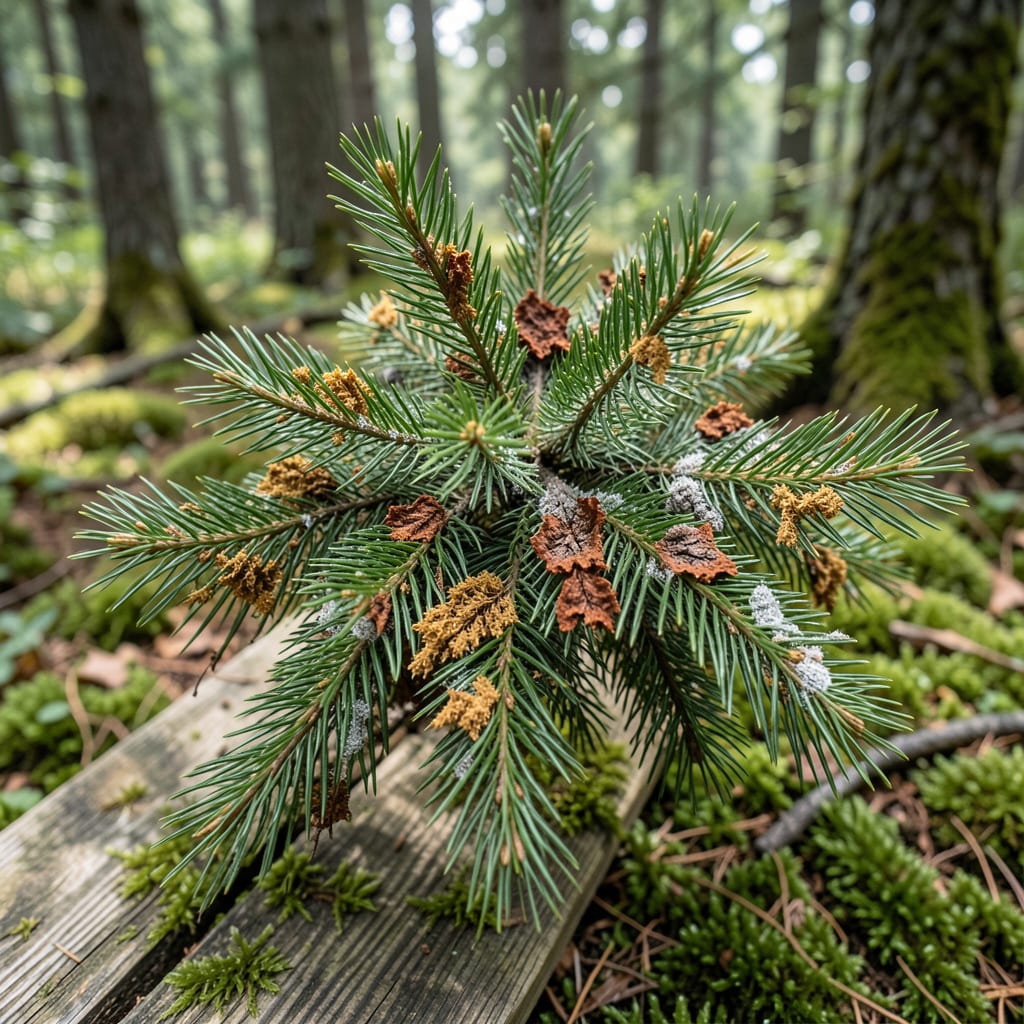
My Leyland cypress hedge went from lush to crispy in 6 weeks last summer. Here’s the thing—most tree diseases start with subtle signs that are easy to miss until it’s too late.
Yellowing needles at the base, brown patches spreading upward, or white powdery spots aren’t just cosmetic issues. They’re distress signals from a tree that needs help fast. I learned the hard way that early action saves years of growth.
Organic treatments like neem oil, copper fungicides, and improved air circulation can stop most problems before they spread. The key is matching the solution to the specific disease, not just throwing chemicals at it.
Prevention beats cure every time. Proper spacing, consistent watering, and seasonal monitoring keep these trees thriving for decades. Let’s save yours before it’s too late.
Leyland cypress trees are susceptible to diseases primarily due to environmental stressors, poor cultural practices, and pathogen exposure. Below are the key causes, explained with actionable insights.
Fungal diseases like Seiridium canker and Botryosphaeria canker thrive in wet conditions. Overwatering, compacted soil, or planting in low-lying areas creates stagnant moisture around roots and bark, inviting pathogens. Solution: Ensure well-draining soil and space trees to improve airflow.
Drought, extreme heat, or sudden temperature swings weaken the tree’s natural defenses. Stressed Leylands are more vulnerable to opportunistic infections like root rot or needle blight. Solution: Mulch to retain moisture and provide consistent watering during dry spells.
Open wounds from improper cuts (e.g., using dull tools or pruning during wet seasons) serve as entry points for canker-causing fungi. Solution: Sterilize pruning tools with rubbing alcohol and prune only during dry, cool weather.
Compacted soil restricts root oxygen uptake, while nutrient deficiencies (e.g., lack of nitrogen or iron) reduce vigor. Weak trees attract pests like spider mites, which spread secondary infections. Solution: Aerate soil annually and fertilize based on a soil test.
Insects such as Leyland cypress aphids or bark beetles damage bark and foliage, creating openings for fungal spores. Solution: Monitor for pests and use horticultural oil or insecticidal soap at first signs.
Leyland cypress trees can fall victim to several diseases, but early intervention and the right care can restore their health. Below are targeted solutions for the most common problems, along with prevention tips to keep your trees thriving.
Remove infected branches immediately using sterilized pruning shears—dip tools in a 10% bleach solution between cuts to prevent spreading. Cut at least 4 inches below visible cankers. Dispose of diseased wood far from healthy trees. Prevention tip: 💡 Avoid overhead watering and improve air circulation by spacing trees 8–10 feet apart.
Mix 2 tablespoons of neem oil with 1 gallon of water and spray the entire tree, focusing on the undersides of leaves. Repeat every 5–7 days until mites are gone. Prevention tip: 🌡️ Keep trees well-hydrated—mites thrive in dry conditions. Mulch around the base to retain moisture.
If roots are waterlogged, stop watering and let the soil dry out. For severe cases, dig a trench around the tree to redirect excess water. Amend heavy clay soil with compost or sand. Prevention tip: ✨ Plant Leyland cypress in raised beds or slopes to ensure proper drainage from the start.
Apply a copper-based fungicide to affected areas, following label instructions. Remove and destroy fallen leaves and debris under the tree, as they can harbor spores. Prevention tip: 🎯 Prune annually to increase sunlight penetration and air flow, reducing humidity that fuels fungal growth.
For all diseases, sterilize tools after use and monitor trees regularly for early signs of trouble. A little vigilance goes a long way!
Look for brown or black spots on needles, cankers on bark, or white powdery residue. Fungal issues often start at the base and move upward. Early signs include yellowing or wilting foliage.
Avoid overhead watering and space trees 8-10 feet apart for airflow. Sterilize pruning tools with rubbing alcohol before each use to stop spores from spreading.
If over 50% of roots are damaged, recovery is unlikely. For early cases, improve drainage immediately and amend soil with compost. Stop watering until soil dries out.
