
Beautiful Plants For Your Interior
Beautiful Plants For Your Interior
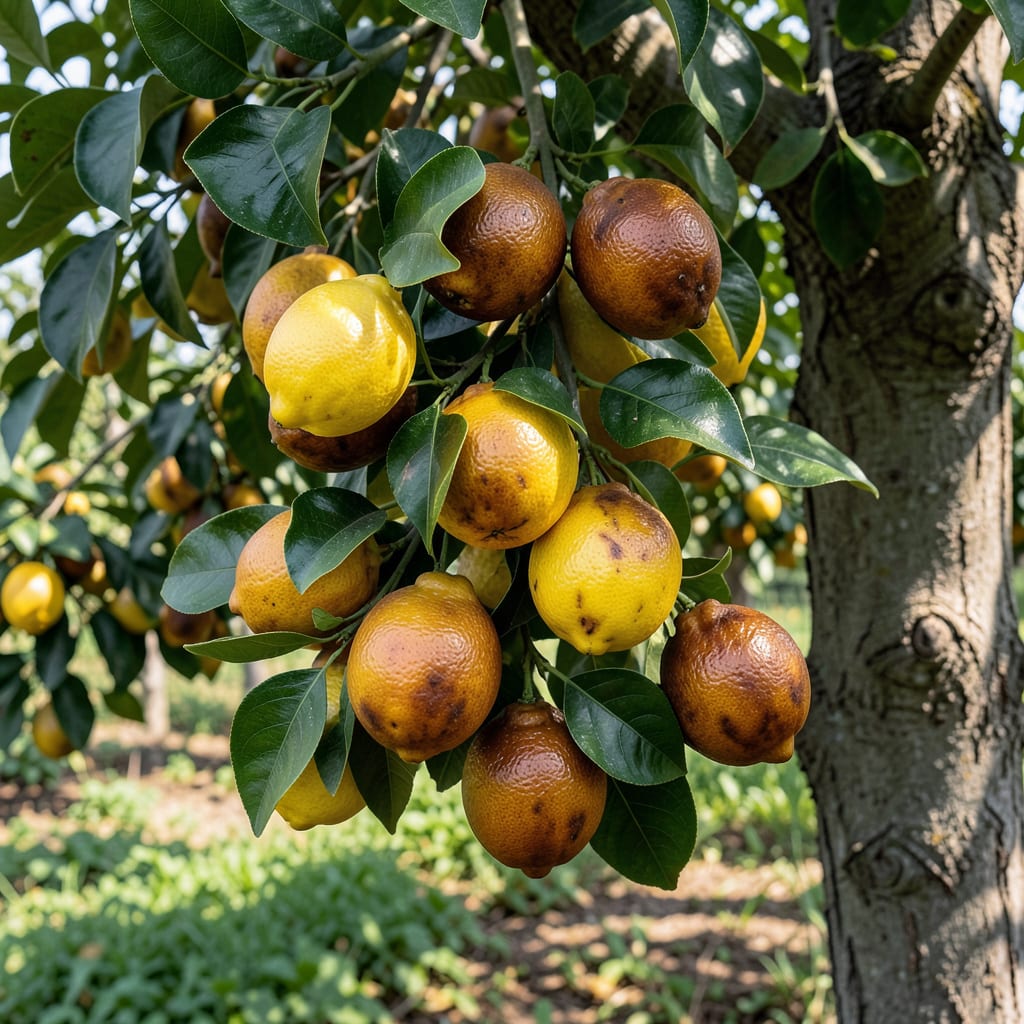
Brown lemons on your tree don’t mean failure—they’re a cry for help. I’ve watched this happen mid-season and fixed it with simple adjustments to water, nutrients, and protection from extremes.
Most cases trace back to environmental stress: drought, frost, or nutrient imbalance. The good news? These issues are reversible if you act fast and address the root cause, not just the symptoms.
Your tree can bounce back with consistent care, producing bright, healthy fruit again. The key is identifying whether it’s overwatering, under-fertilizing, or exposure that’s causing the discoloration.
Works for backyard citrus in any climate. Here’s how to diagnose and revive your crop.
Lemons turning brown on the tree can be alarming, but understanding the root causes helps you address the issue effectively. Below are the most common reasons, explained with scientific precision.
Lemon trees thrive in a 60–70°F (15–21°C) range. Exposure to frost or heatwaves disrupts cellular function, leading to cold injury or heat stress. Frost causes ice crystals to form inside fruit cells, rupturing them and turning the peel brown. Meanwhile, extreme heat accelerates moisture loss, causing desiccation and browning. Citrus sinensis (sweet oranges) are slightly more cold-tolerant, but lemons (Citrus limon) are highly sensitive.
Inconsistent watering—either underwatering or overwatering—triggers physiological stress. Drought conditions prevent the tree from supplying adequate nutrients to the fruit, leading to oxidative damage in the peel. Conversely, waterlogged roots suffocate the tree, reducing its ability to absorb magnesium and calcium, which are critical for peel integrity. Check soil moisture 2–3 inches deep; it should be slightly damp, not soggy or bone-dry.
Pathogens like Phytophthora citrophthora (root rot) or Alternaria alternata (Alternaria brown spot) directly attack lemon fruit. These fungi thrive in humid, poorly ventilated conditions, producing enzymes that break down cell walls in the peel. Look for dark, sunken lesions or a moldy coating—classic signs of fungal activity. Copper-based fungicides can help, but improving airflow and pruning infected branches are critical first steps.
A lack of nitrogen, potassium, or magnesium weakens the tree’s ability to maintain healthy fruit. Potassium deficiency, for example, leads to uneven ripening and browning due to impaired water regulation in cells. Magnesium is essential for chlorophyll production; without it, the peel loses its vibrant color. Conduct a soil test to identify deficiencies, and amend with balanced citrus fertilizers (e.g., 6-6-6 NPK) or Epsom salts for magnesium.
Reviving brown lemons on your tree starts with identifying the root cause and applying targeted solutions.
If excessive sun or heat is the culprit, provide temporary shade during peak afternoon hours using shade cloth (30-50% density). Water deeply in the early morning to cool the soil and reduce stress. Mulch around the base with organic material (straw or wood chips) to retain moisture and regulate soil temperature.
Prevention tip 💡: Plant new trees in locations with dappled sunlight or use permanent shade structures in scorching climates.
For underwatering, deep-water the tree 2-3 times weekly until the soil is moist 6-8 inches down. For overwatering, stop irrigation immediately and let the top 2-3 inches of soil dry out. Improve drainage by amending heavy soil with compost or sand.
Prevention tip 💡: Install a moisture meter or use the finger test to monitor soil dampness before watering.
Remove and destroy all brown, infected fruit and foliage to prevent spread. Apply a copper-based fungicide or neem oil spray (follow label instructions) at first signs of disease. Prune affected branches, sterilizing tools with rubbing alcohol between cuts.
Prevention tip 💡: Space trees for good airflow, and avoid overhead watering to keep leaves dry.
Test soil pH (ideal: 6.0-7.0). For zinc or iron deficiency, apply chelated micronutrient foliar sprays. For general malnutrition, use a balanced citrus fertilizer (e.g., 8-8-8) every 4-6 weeks during the growing season.
Prevention tip 💡: Feed trees annually with compost or well-rotted manure to maintain soil fertility.
Check for pests like citrus leafminers or scale. Introduce beneficial insects (e.g., ladybugs) or apply horticultural oil or insecticidal soap. Remove heavily infested fruit to limit damage.
Prevention tip 💡: Inspect trees weekly and encourage natural predators by planting companion flowers like marigolds.
Not always. Environmental factors like frost or heatwaves can cause browning without any disease present. Check for other symptoms like spots or mold to confirm a fungal issue.
If caught early, adjusting water, shade, or nutrients can stop further damage within 1-2 weeks. Existing brown spots won’t heal, but new fruit will grow healthy.
Yes! Waterlogged roots suffocate the tree, leading to nutrient deficiencies that turn fruit brown. Always check soil moisture 2-3 inches deep before watering.
Only if the browning is from environmental stress. If caused by fungal infections or pests, discard the fruit. When in doubt, cut open to check for internal mold or rot.
