
Beautiful Plants For Your Interior
Beautiful Plants For Your Interior
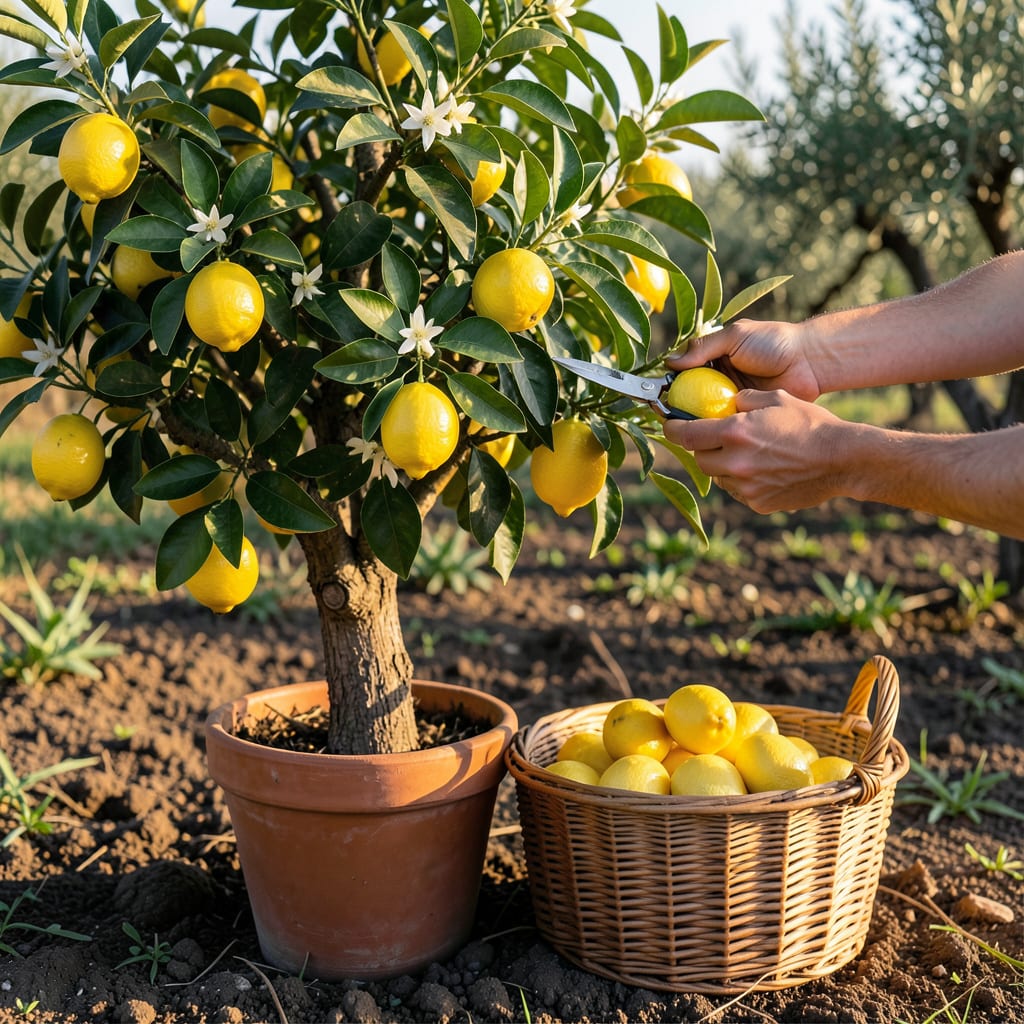
Nothing beats the satisfaction of plucking a perfectly ripe lemon from your own 🍋 Lemon Tree. But how do you know it’s ready for the picking?
I’ll walk you through the key signs of ripeness and seasonal cues that guarantee the juiciest fruit every time. Timing makes all the difference.


Timing your lemon tree harvest perfectly ensures the sweetest, juiciest fruit from your backyard. I’ve found that color and texture are the best indicators of ripeness.
Most lemon varieties turn a bright yellow when ready, but some stay green-yellow. Don’t rely on color alone—check for a slight give when gently squeezed.
| Sign | Ready | Not Ready |
|---|---|---|
| Color | Vibrant yellow or green-yellow | Dull or pale green |
| Texture | Glossy, smooth skin | Rough or matte |
| Firmness | Slightly yielding | Hard and unyielding |
| Aroma | Strong citrus scent | Little to no fragrance |
In warm climates like USDA zones 9-11, lemon trees can produce year-round, but the peak harvest season is typically October through June. I always check my trees weekly during this window.
Another trick I use is the “twist test”. A ripe lemon will easily separate from the stem when twisted gently. If it resists, leave it for a few more days.
Regional differences matter too. In cooler areas, lemons may take longer to ripen. I’ve noticed my northern California lemons often need an extra 2-3 weeks compared to those in southern regions.
Don’t forget to consider the tree’s age. Young trees, under 3 years old, may produce fruit that’s less sweet or smaller. Patience pays off—mature trees yield the best flavor.
Weather can impact ripening too. A late frost can delay harvest, while excessive heat speeds it up. I always keep an eye on local forecasts during harvest season.
If you’re unsure, taste-test one! A ripe lemon will have a balanced sweet-tart flavor. Unripe fruit is bitter and dry, so it’s better to wait.
Finally, remember that lemon trees often hold ripe fruit for weeks. You don’t need to harvest all at once—pick as needed for the freshest flavor 🌿
Harvesting lemon tree fruit properly preserves the tree’s health and ensures future yields. I always use clean, sharp pruners to avoid tearing the branches.
Start by identifying fully ripe lemons using the cues from earlier. Then, position your dominant hand on the fruit and your other hand on the branch for support.
Twist gently to detach the lemon from the stem.
Use pruning shears for stubborn fruit to avoid damage.
Harvest in batches to prevent overloading branches.
Avoid pulling or yanking, which can harm the tree.
Pick in the cool morning to reduce stress on the plant.
I recommend wearing gardening gloves to protect your hands from thorns and the citrus oil on the peel. This also gives you a better grip on slippery fruit.
If a lemon doesn’t come off easily, it’s likely not ready. Forcing it can damage the stem or branch, so I leave it for another day.
After harvesting, I inspect the tree for any damaged branches or signs of pests. Addressing these early keeps my lemon tree healthy for the next harvest cycle.
Store picked lemons at room temperature for immediate use or in the fridge for longer freshness. Never wash them until ready to use to preserve their natural oils 🌿
Even experienced gardeners can make costly errors when harvesting lemons. I’ve seen premature picking lead to bitter, dry fruit that’s unusable for any purpose.
Another common mistake is ignoring weather. Harvesting during rainy periods can lead to split fruit or mold growth on your lemons.
Warning: Never use dull tools to harvest lemons. This can tear branches and invite disease into your tree.
I’ve also learned that overloading branches with too much fruit can cause premature drop. Thin your lemons early to ensure quality over quantity.
Many gardeners forget to check for pests before harvesting. Scale insects or aphids can ruin your crop if left unchecked. I inspect my trees weekly during harvest season.
Finally, avoid washing lemons immediately after picking. The natural oils on the peel protect the fruit and preserve freshness. I wait until I’m ready to use them.
By sidestepping these common pitfalls, you’ll enjoy a bountiful, high-quality lemon harvest every season 🌿
Look for a vibrant yellow or green-yellow color, glossy skin, and a strong citrus aroma. Gently squeeze—it should yield slightly.
Certain varieties, like Sicily lemons, retain a green tint even when fully ripe. Always check texture and aroma too.
In warm climates, yes! Some trees produce year-round, but summer fruit may be less sweet. Monitor ripeness closely.
Unripe lemons are bitter, dry, and lack juice. They won’t ripen off the tree, so wait for full color and softness.
