
Beautiful Plants For Your Interior
Beautiful Plants For Your Interior
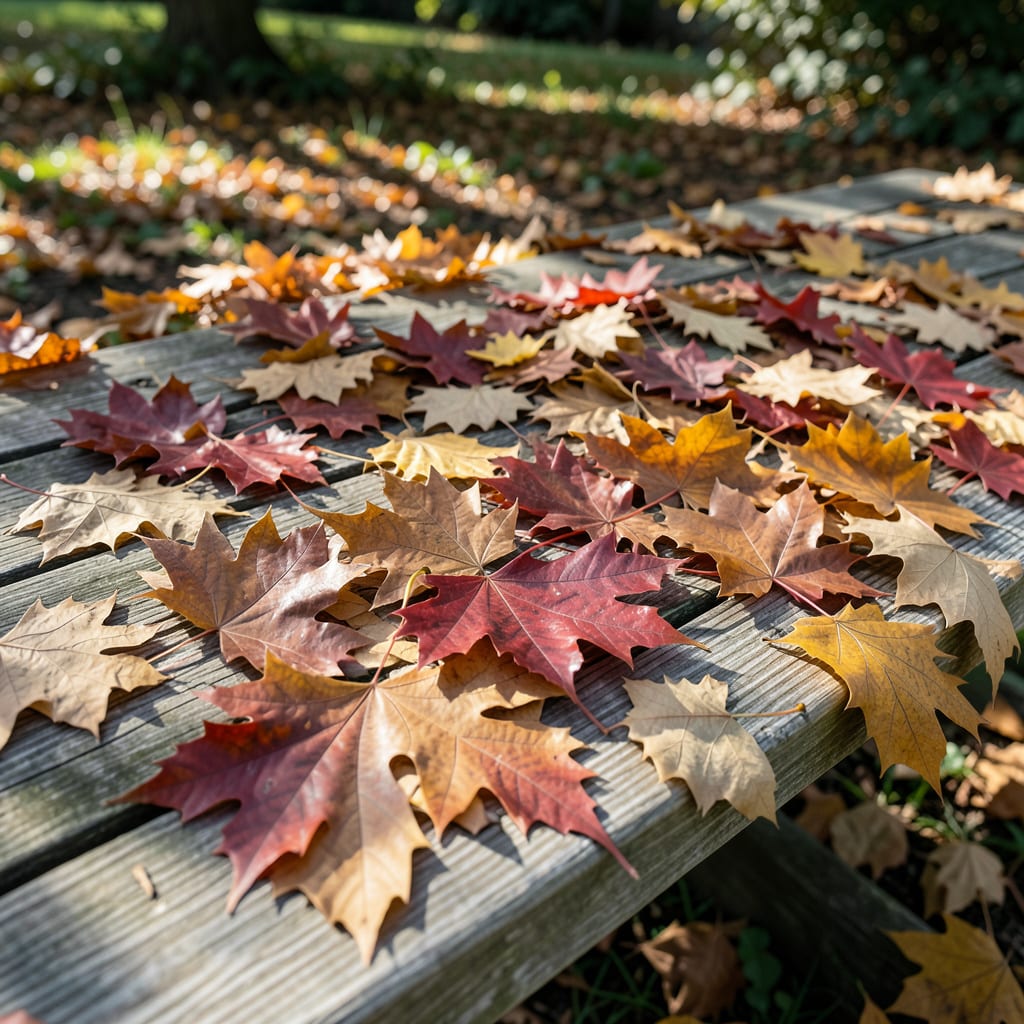
That carpet of leaves isn’t just unsightly—it’s a breeding ground for pests and lawn diseases. I learned this the hard way after my first autumn with a thick layer of unraked maple leaves.
Twenty minutes with the right tools solves it. You’ll prevent fungal growth, protect your grass, and keep your yard looking sharp through fall and into winter.
📚 In This Guide
This method keeps your lawn looking sharp without wasting time or energy.
Pick a dry, calm day to tackle this—wet leaves clump together and stick to everything. I always start with a sturdy rake, but for large areas, a leaf blower or vacuum will save hours. Check the weather forecast first; a breezy day just means you’ll chase leaves across the yard.
If you’re using a rake, opt for a lightweight plastic or metal model with flexible tines. The rigid ones scratch lawn surfaces and can damage grass. You’ll know your tool is right when it glides smoothly and collects leaves without catching on the turf.
Divide your lawn into manageable sections and work from the outside toward the center. This prevents you from walking over cleaned areas and dragging leaves back where they started. I like to start along the edges of the yard and move inward in concentric circles.
Focus on one small area at a time, about 10 feet by 10 feet. You’ll see progress faster and avoid feeling overwhelmed. If leaves are thick, create small piles as you go—this makes collection easier later.
Once you’ve gathered leaves into piles, scoop them into large trash bags or a wheelbarrow. If you have a compost bin, these are gold—shred them first with a lawn mower or leaf shredder to speed up decomposition. Avoid stuffing bags too full; they’ll tear when you lift them.
For a quick solution, use a tarp to drag piles to a central disposal point. I lay it flat, rake leaves onto it, then tie the corners and drag. This saves countless trips back and forth.
After you think you’re done, do a quick walk-through with the rake or blower. Leaves often hide in corners, under bushes, or along fences. Pay special attention to areas where wind tends to collect debris.
Check for missed spots by looking at the lawn from different angles—sometimes leaves blend into the grass until you shift your perspective. A final pass with a leaf blower on low setting will catch the stragglers.
If your lawn looks clean from every direction, you’re finished. This usually takes me about 30-45 minutes for a standard suburban yard.
Work smarter not harder with these practical strategies to streamline your yard work.
The Tool Factor: In Step 1, choose a rake with flexible tines to avoid damaging your lawn. The rigid ones may seem sturdier, but they scratch grass surfaces and make the job harder. A lightweight model glides smoothly and collects leaves without catching on the turf.
Efficiency Strategy: For Step 2, those 10 feet by 10 feet sections are key. Smaller areas let you see progress faster and prevent overwhelm. Work from the outside in to avoid walking over cleaned spots and dragging leaves back where they started.
Collection Hack: In Step 3, use a tarp as a makeshift sled for your leaf piles. Lay it flat, rake leaves onto it, then tie the corners and drag. This saves countless trips back and forth with heavy bags.
Final Touch: The 30-45 minute timeframe in Step 4 includes your final check. Don’t rush this—leaves often hide in corners and along fences. A quick walk-through from different angles catches what you might miss from one perspective.
Leaves fall naturally in autumn as trees shed them to conserve energy for winter. Wind, rain, and temperature changes also speed up the process. It’s part of nature’s cycle!
Early fall or late autumn is ideal, before leaves get too wet or matted. Aim for dry days to make raking easier and prevent lawn damage.
It’s not recommended. Thick layers can smother grass, trap moisture, and invite pests. Light mulching is fine, but heavy buildup should be removed.
Use a leaf blower for large areas or a rake for precision. Tarps can help collect piles quickly. For a low-effort option, mulch leaves with a lawn mower!
Rake or blow leaves regularly before they get wet. A light sprinkle of cornmeal can also help loosen stuck leaves for easier cleanup.
