
Beautiful Plants For Your Interior
Beautiful Plants For Your Interior
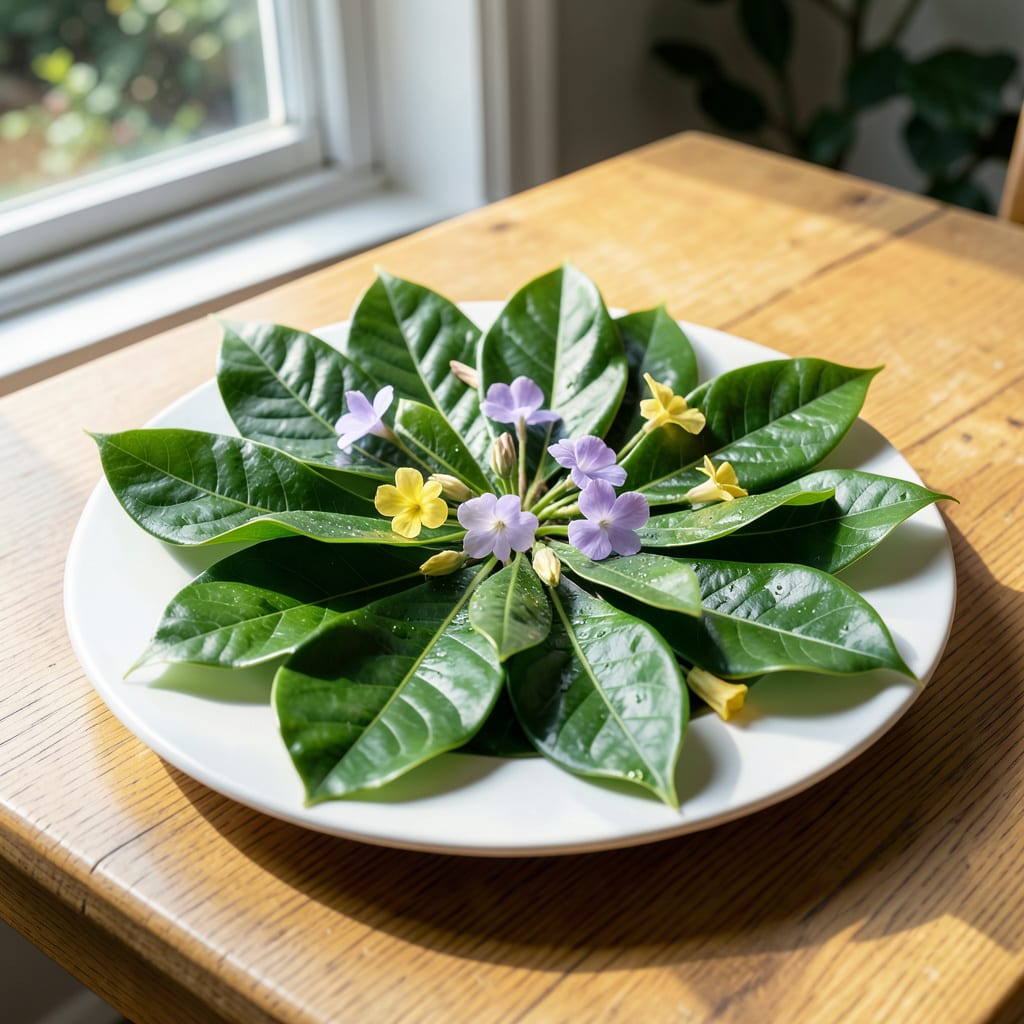
There’s nothing like the bold, glossy leaves of a magnolia tree transforming a yard into a lush oasis. I’ve watched mine go from sparse to full in just two seasons with the right care.
These leaves start as fuzzy buds, unfurling into dark green giants that stay vibrant year-round. The secret is consistent watering and the right soil mix—no fancy tricks, just paying attention to what the tree tells you.
📚 In This Guide
Here’s my reliable approach to growing those iconic, glossy leaves every gardener admires.
Start by choosing a cultivar suited to your USDA hardiness zone. Southern magnolias thrive in zones 6-10, while star magnolias handle colder zones 4-9. I always check the tag for mature size—some varieties reach 80 feet tall, while dwarf types stay under 15 feet.
The leaves tell you a lot about the variety. Southern magnolias have evergreen, leathery leaves up to 10 inches long, while deciduous types like saucer magnolias produce 6-inch oval leaves that drop in fall. Pick what matches your space and aesthetic goals.
Magnolias need 6+ hours of direct sunlight daily for the lushest foliage. Morning sun with afternoon shade works well in hotter climates. I dig a hole twice as wide as the root ball but no deeper—planting too deep suffocates the roots.
Check your soil drainage first. These trees hate wet feet. If water pools after rain, plant on a slight mound or amend with compost. The ideal spot has rich, slightly acidic soil with a pH between 5.0 and 6.5.
Newly planted magnolias need consistent moisture. I water deeply 2-3 times per week for the first year, ensuring the soil stays evenly moist but not soggy. Use your finger to check—if the top 2-3 inches feel dry, it’s time to water.
Once established, magnolias are surprisingly drought-tolerant. Mature trees often thrive on rainfall alone, but I still give mine a deep soak during prolonged dry spells. The leaves will tell you if they’re thirsty—they’ll start to curl at the edges.
Magnolias rarely need pruning, but I remove dead or crossing branches in late winter before new growth starts. Never prune in spring when buds are forming—you’ll sacrifice that year’s flowers and potentially damage emerging leaves.
For shaping, prune lightly after the tree finishes blooming. I use clean, sharp bypass pruners and make cuts at a 45-degree angle just above a leaf node. This encourages new growth while maintaining the tree’s natural form.
A balanced 10-10-10 fertilizer in early spring gives magnolias the nutrients they need for lush leaves. I sprinkle it around the drip line—never against the trunk—and water it in thoroughly. For established trees, 1 pound per inch of trunk diameter is the right amount.
Yellowing leaves between the veins often signal iron deficiency. If I spot this, I apply chelated iron according to package directions. The deep green color returns within 2-3 weeks when the issue is corrected.
Here are the key insights I’ve gathered from years of nurturing these beautiful trees.
Climate Matching: In Step 1, always verify your USDA zone first. Southern magnolias in zones 6-10 give you those iconic evergreen leaves up to 10 inches long, while star magnolias in zones 4-9 offer smaller, deciduous foliage. I learned the hard way that planting the wrong variety for your climate leads to stunted growth and disappointing leaves.
Planting Precision: For Step 2, that hole needs to be exactly twice as wide as the root ball—no deeper. I’ve seen too many magnolias struggle because they were planted too deep, which suffocates the roots. Also, test your soil drainage before planting; if water pools, a slight mound saves you from root rot later.
Watering Wisdom: The 2-3 times per week watering schedule in Step 3 is non-negotiable for that first year. Use the finger test: if the top 2-3 inches of soil feel dry, water deeply. I notice my trees “tell me” when they’re thirsty—their leaves start curling at the edges, which is your cue to act fast.
Pruning Timing: Step 4 warns against spring pruning for good reason. I once pruned in early spring and lost that year’s blooms entirely. Late winter, before new growth starts, is your window for removing dead or crossing branches. For shaping, wait until after blooming, and always cut at that 45-degree angle just above a leaf node.
Yellowing leaves often indicate overwatering, poor drainage, or nutrient deficiencies (like iron or magnesium). Check soil moisture and consider a soil test to adjust care.
Most magnolias are evergreen, but deciduous varieties (like saucer magnolias) shed leaves in fall. Evergreens may drop a few year-round as part of natural renewal.
Yes! Magnolia leaves break down slowly due to their leathery texture, but they’re great for compost. Chop them first to speed up decomposition and balance with nitrogen-rich greens.
Brown spots may signal fungal diseases (e.g., leaf spot) or environmental stress. Remove affected leaves, improve air circulation, and apply a fungicide if needed.
No, magnolia leaves are non-toxic to dogs and cats. However, ingesting large amounts may cause mild stomach upset. Always monitor pets around plants.
