
Beautiful Plants For Your Interior
Beautiful Plants For Your Interior
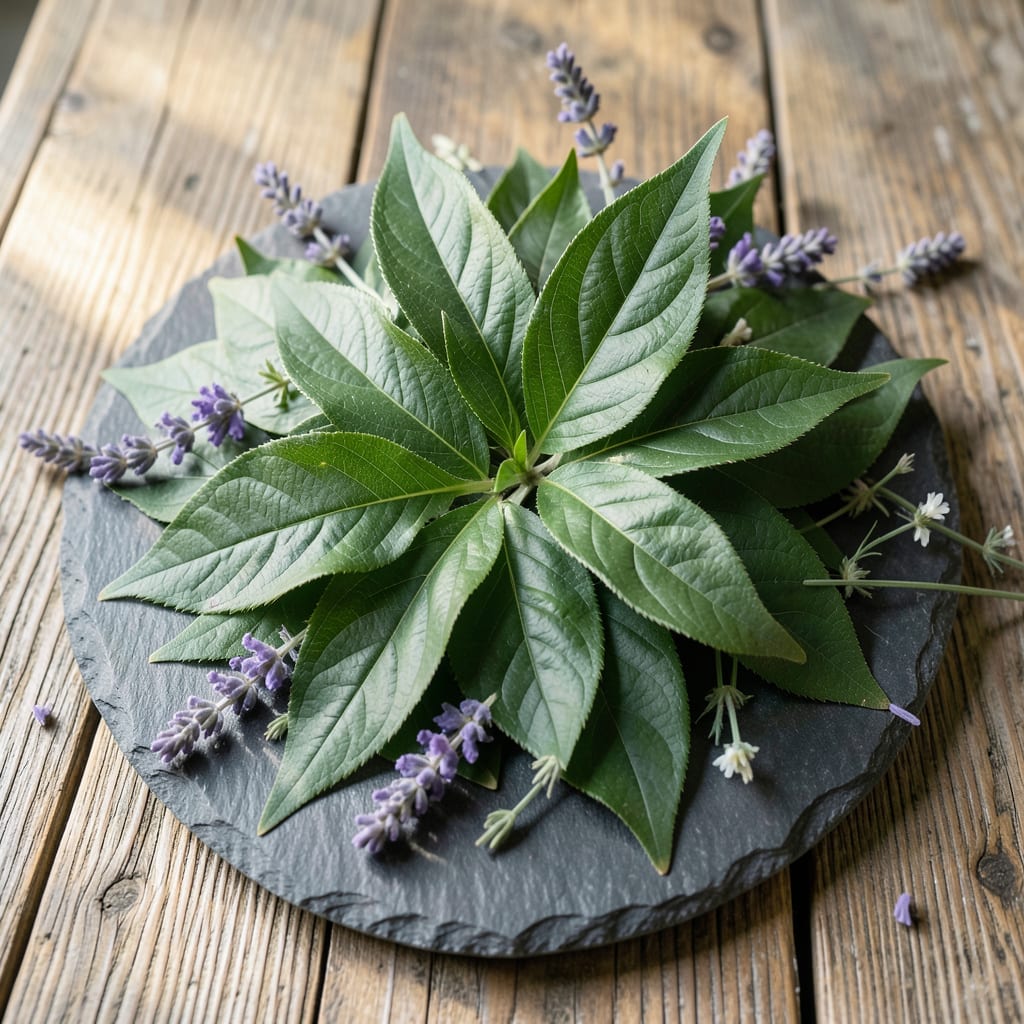
I first noticed the long, spear-shaped leaves of my butterfly bush waving in the breeze. They’re 6-12 inches long with slightly serrated edges and a rich green color that darkens as the plant matures.
This plant grows fast—often 6-12 feet in a single season—with leaves that create the perfect backdrop for its famous flower spikes. The leaves themselves are the first sign of a healthy, thriving buddleia ready to attract pollinators.
📚 In This Guide
Here’s how I accurately spot and maintain these plants for thriving foliage every season.
Butterfly bush leaves are lance-shaped with slightly serrated edges, growing in opposite pairs along the stem. They’re typically 4-10 inches long and have a medium to dark green hue. The underside often appears lighter and may have fine hairs, especially in younger growth.
I check for these traits first—the shape and arrangement are the most reliable identifiers. If the leaves are deeply lobed or rounded, it’s not a butterfly bush. New growth tends to be softer and lighter in color, while mature leaves develop a leathery texture.
Real talk: if you see silver-gray foliage, you’re likely looking at a cultivar like ‘White Profusion’ or ‘Silver Fountain.’ These varieties retain their unique color year-round, making them stand out in any garden.
Butterfly bush (Buddleia) has an arching, open growth habit, with leaves clustered densely on new wood. The stems are often square-shaped, a detail that helps distinguish it from similar-looking shrubs. I run my fingers along the stem to feel the subtle ridges.
Mature plants can reach 6-12 feet tall, with a spread just as wide. The leaves grow abundantly on the upper portions of the stems, while the lower sections may appear bare as the plant ages. This is normal—don’t mistake it for poor health.
Here’s the thing—if the leaves are sparse or the plant looks leggy, it’s often a sign of insufficient light or over-pruning. Butterfly bushes thrive in full sun and can become unruly in shade.
To keep the foliage lush, plant butterfly bush in well-draining soil with a pH between 6.0 and 7.0. I’ve found that amending heavy clay with compost improves drainage and prevents root rot, which can cause leaves to yellow and drop prematurely.
Water deeply once a week during the first growing season, then taper off as the plant establishes. Mature butterfly bushes are drought-tolerant, but I still give mine a thirst-quenching soak during prolonged dry spells to prevent leaf scorch.
Don’t skip this (I learned the hard way): mulch around the base with 2-3 inches of organic material to retain moisture and suppress weeds. Keep the mulch a few inches away from the stem to avoid rot.
Pruning is key to vibrant leaves and abundant blooms. I prune my butterfly bushes back hard in early spring, cutting them down to 12-24 inches above the ground. This encourages fresh, vigorous growth with larger, healthier leaves.
Throughout the growing season, deadhead spent blooms to redirect energy toward foliage and new flowers. If you notice leaves looking ragged or diseased, remove them immediately to prevent spread. Sterilize your pruners with rubbing alcohol between cuts to avoid contaminating healthy parts of the plant.
This is the moment that matters: late winter is the ideal time for major pruning. Doing it earlier can leave the plant vulnerable to cold damage, while delaying too long may sacrifice early-season blooms and foliage.
These insights will help you identify and maintain vibrant leaves with confidence.
Leaf Identification: Focus on the lance-shaped form and opposite arrangement along the stem as mentioned in Step 1. The 4-10 inches long size range is a key differentiator from similar plants. I always check the underside first—those fine hairs on younger growth are a dead giveaway for butterfly bush.
Growth Habit Tip: In Step 2, pay attention to the square-shaped stems and arching growth pattern. If you’re examining a mature plant, remember that bare lower stems are completely normal and not a sign of poor health. The dense leaf clusters on new wood are what you want to see.
Soil Wisdom: For Step 3, that 6.0 to 7.0 pH range is critical. I test my soil annually and amend with compost if needed—this single practice prevents most leaf yellowing issues. The 2-3 inches of organic mulch is non-negotiable for moisture retention in hot climates.
Pruning Precision: Step 4’s early spring pruning to 12-24 inches might seem drastic, but it’s what produces those vibrant, large leaves. Late winter is indeed the sweet spot—any earlier risks cold damage, any later sacrifices early blooms. Sterilizing pruners between cuts is a small step that prevents big problems.
Yellow leaves often signal overwatering, poor drainage, or nutrient deficiencies. Check soil moisture and ensure proper drainage. A balanced fertilizer can help restore vibrant green leaves.
Prune in late winter or early spring before new growth starts. This encourages healthy blooms and removes dead or damaged branches. Avoid pruning in fall, as it can stimulate tender growth before winter.
Yes! Consider milkweed, coneflowers, or bee balm. These native plants are low-maintenance and equally effective at attracting pollinators while supporting local ecosystems.
Improve air circulation by spacing plants properly and watering at the base. Apply a fungicide or a homemade solution of baking soda and water to affected leaves.
