
Beautiful Plants For Your Interior
Beautiful Plants For Your Interior
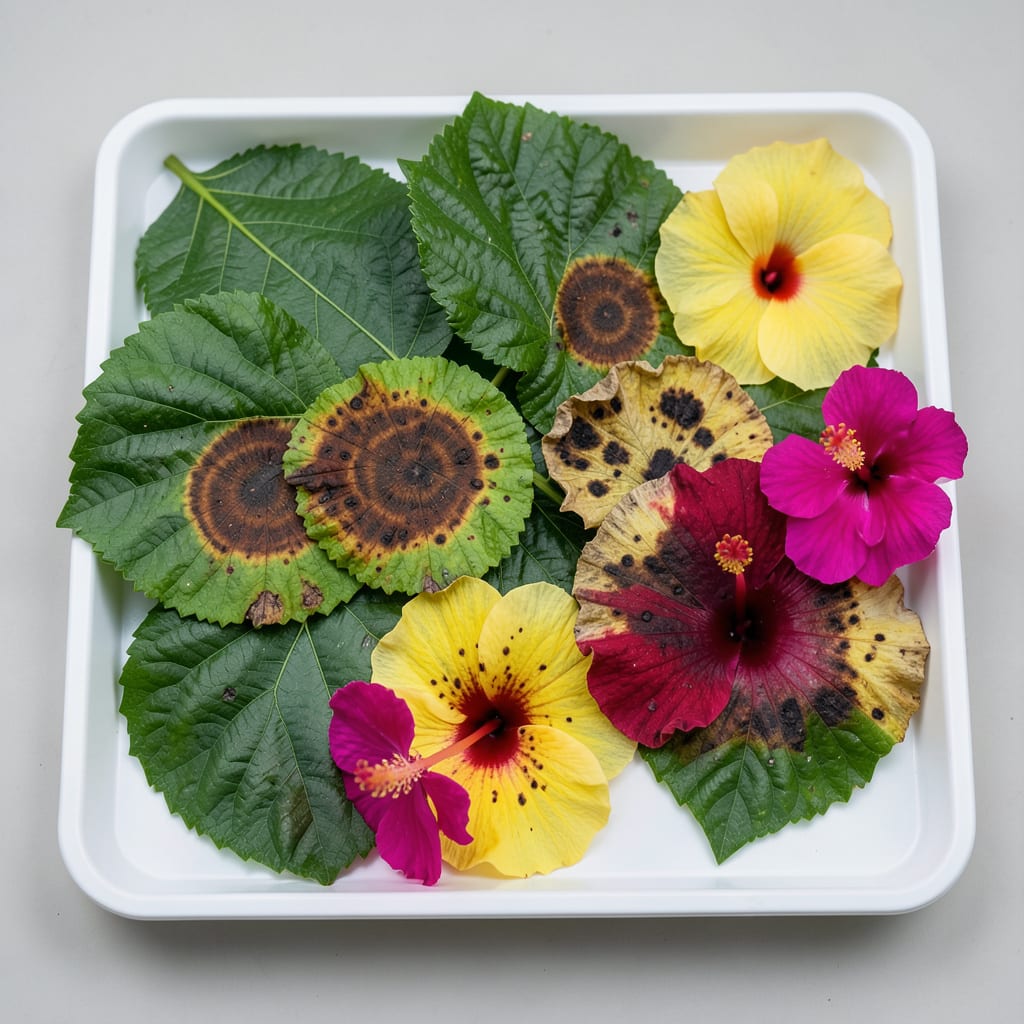
Spotted leaves on your hibiscus mean trouble, but it’s fixable. I’ve battled leaf spot diseases for years and learned the patterns—brown patches, yellow halos, or tiny black dots—each tells a different story about what’s attacking your plants.
The cause is usually too much moisture on leaves, poor air flow, or fungal spores hitching a ride on your tools. Left unchecked, it spreads fast and weakens the whole plant. The good news? You can stop it before it takes over.
With 3 simple steps, you’ll identify the exact issue and apply the right treatment. Most solutions work within a week if you catch it early. Your hibiscus will bounce back stronger, with vibrant blooms and healthy foliage.
Works for potted plants, garden beds, and tropical varieties. Let’s diagnose and fix it now.
Leaf spot diseases in hibiscus often stem from a mix of environmental, fungal, and bacterial factors. Understanding the root causes helps you prevent and treat them effectively.
Fungal pathogens like Cercospora and Alternaria thrive in wet conditions. Overwatering, poor soil drainage, or high humidity create the perfect breeding ground. Waterlogged leaves or soil encourage spore germination, leading to unsightly brown or black spots. Action: Water at the base of the plant early in the day to allow foliage to dry quickly.
Fungi such as Phyllosticta spread via airborne spores, which land on hibiscus leaves and infect them under favorable conditions (warmth + moisture). Overhead irrigation or crowded plantings exacerbate this. Action: Space plants for airflow and remove fallen debris where spores overwinter.
Bacteria like Pseudomonas and Xanthomonas enter through wounds or stomata, causing angular, water-soaked spots. These often appear after rain or overhead watering. Action: Avoid working with wet plants to prevent spreading bacteria, and disinfect pruning tools.
Hibiscus under heat or cold stress (below 50°F or above 90°F) become more susceptible to infections. Weakened plants can’t fend off pathogens effectively. Action: Provide afternoon shade in extreme heat and protect plants from sudden cold snaps.
Over-fertilization (especially nitrogen-heavy mixes) promotes lush, soft growth that’s prone to fungal attacks. Conversely, potassium or phosphorus deficiencies weaken plant defenses. Action: Use a balanced, slow-release fertilizer and test soil annually.
Tackling leaf spot on your hibiscus starts with identifying the cause and applying the right fix. Here’s a straightforward guide to restore your plant’s health and keep it thriving.
If you spot circular brown or black spots with yellow halos, fungal leaf spot is likely the culprit. Remove infected leaves immediately to prevent spreading. Spray the plant with a copper-based fungicide or a homemade mix of 1 tsp baking soda + 1 quart water + a few drops of dish soap. Apply every 7–10 days until the issue clears.
Water-soaked spots that turn brown or black often signal bacterial leaf spot. Prune infected leaves and sterilize your pruning shears with rubbing alcohol between cuts. Treat with a bactericide like copper sulfate or a neem oil solution (2 tbsp neem oil + 1 gallon water).
Yellowing leaves or crispy edges? Your hibiscus may be stressed by too much sun, poor drainage, or nutrient deficiencies. Move potted plants to partial shade if leaves scorch. Improve drainage by mixing in perlite or sand. Feed with a balanced fertilizer (10-10-10) every 4–6 weeks during growing season.
Consistency is key—monitor your hibiscus regularly and act at the first sign of trouble to keep it blooming beautifully!
Fungal spots are usually circular with brown or black centers and yellow halos. Bacterial spots appear water-soaked and angular, often with a greasy edge.
Yes! Excess moisture creates perfect conditions for fungal growth. Water at the base in the morning to allow foliage to dry quickly.
With proper care, most treatments show improvement in 7-10 days. Consistency is key—reapply fungicides or bactericides as directed.
Yes, remove and destroy infected leaves to prevent spreading. Always disinfect pruning tools between cuts with rubbing alcohol.
