
Beautiful Plants For Your Interior
Beautiful Plants For Your Interior
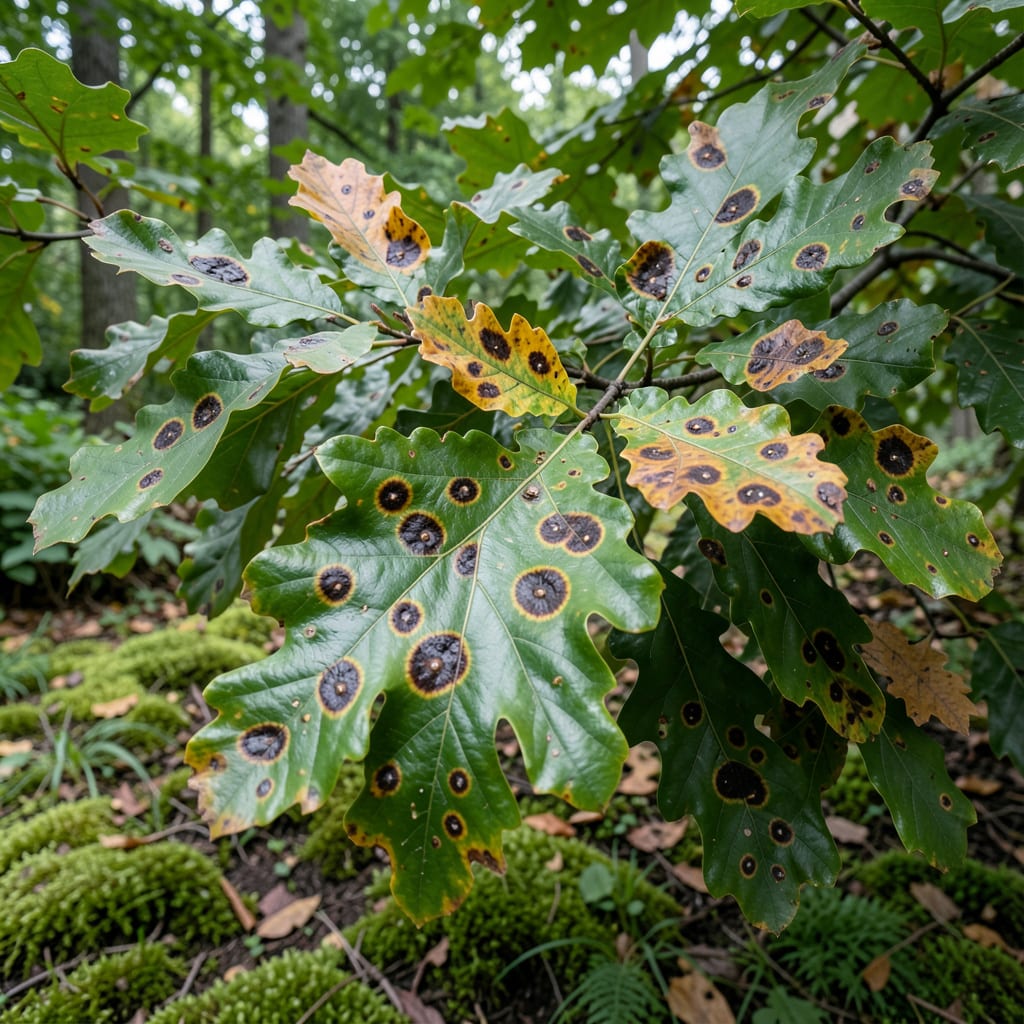
Spotted leaves on your trees aren’t just ugly—they’re a warning sign. 🌿 I’ve seen leaf spot disease wipe out entire canopies if ignored, but catching it early makes all the difference.
This isn’t about expensive treatments or complicated sprays. Most cases clear up with better air circulation, proper watering at the base, and removing fallen leaves that harbor the fungus. Simple fixes, big results.
You’ll notice brown or black spots with yellow halos first. Left unchecked, leaves yellow and drop prematurely, weakening the tree. The good news? Most trees recover fully with the right approach.
Works for maples, oaks, dogwoods, and most ornamentals. Here’s how to diagnose and treat it before it spreads.
Leaf spot disease on trees often stems from a mix of biological and environmental triggers. Understanding these root causes can help you prevent outbreaks and protect your trees. Below are the most common culprits behind this damaging condition.
Most leaf spot cases are caused by fungal pathogens like Cercospora, Alternaria, or Septoria. These fungi thrive in warm, wet conditions, spreading spores through wind, rain, or contaminated tools. Overhead watering or poor air circulation can accelerate their growth, leading to those telltale brown, black, or yellow spots.
Bacteria such as Xanthomonas or Pseudomonas also trigger leaf spot by entering through wounds or stomata (leaf pores). Unlike fungal spots, bacterial lesions often have a water-soaked or greasy appearance, sometimes with yellow halos. High humidity and splashing water help these bacteria spread rapidly.
While not infectious, environmental factors like drought, nutrient deficiencies, or chemical burns can mimic leaf spot symptoms. Over-fertilization (especially with nitrogen) or herbicide drift may cause discoloration. Trees under stress are also more susceptible to secondary fungal or bacterial infections.
Insects like aphids, mites, or leafhoppers can weaken trees by feeding on sap, creating entry points for pathogens. Their honeydew secretions also promote sooty mold, which can exacerbate spot formation. Regular pest monitoring helps reduce this risk.
Tackling leaf spot disease starts with identifying the cause and applying targeted fixes. Below are practical solutions mapped to common triggers, along with prevention tips to keep your trees healthy.
If fungal spores are the culprit, prune infected leaves and branches immediately to stop the spread. Dispose of them in sealed bags—not compost—to avoid reinfection. Apply a fungicide like copper-based sprays or neem oil, following label instructions. Prevention tip: 💡 Improve airflow by thinning dense canopies and avoid overhead watering.
Overwatering or poor drainage creates a breeding ground for leaf spot. Water at the base of the tree early in the day so foliage dries quickly. Use drip irrigation if possible. Prevention tip: ✨ Mulch around the base to retain moisture without wetting leaves, and ensure soil drains well.
Crowded branches trap humidity, encouraging disease. Thin out dense growth to let air circulate freely. Space new plantings far enough apart to avoid overlap. Prevention tip: 🎯 Regularly inspect trees for early signs and act fast—removing a few leaves now saves the whole tree later.
Fallen leaves and twigs harbor pathogens. Rake and remove debris from under trees, especially in fall. Prevention tip: 🌡️ Sanitize pruning tools with rubbing alcohol between cuts to avoid spreading spores.
Consistency is key—combine treatments with preventive care for long-term protection. Healthy trees resist disease better, so prioritize balanced watering, nutrition, and pruning year-round.
Early signs are small brown or black spots with yellow halos on leaves. They often appear on lower leaves first before spreading upward.
Yes, excessive moisture creates ideal conditions for fungal growth. Water at the base in morning to allow foliage to dry quickly.
Mild cases may resolve with improved care, but severe infections need treatment. Remove infected leaves and apply fungicide if needed.
Sanitize pruning tools, rake fallen leaves, and improve air circulation by thinning branches.
