
Beautiful Plants For Your Interior
Beautiful Plants For Your Interior
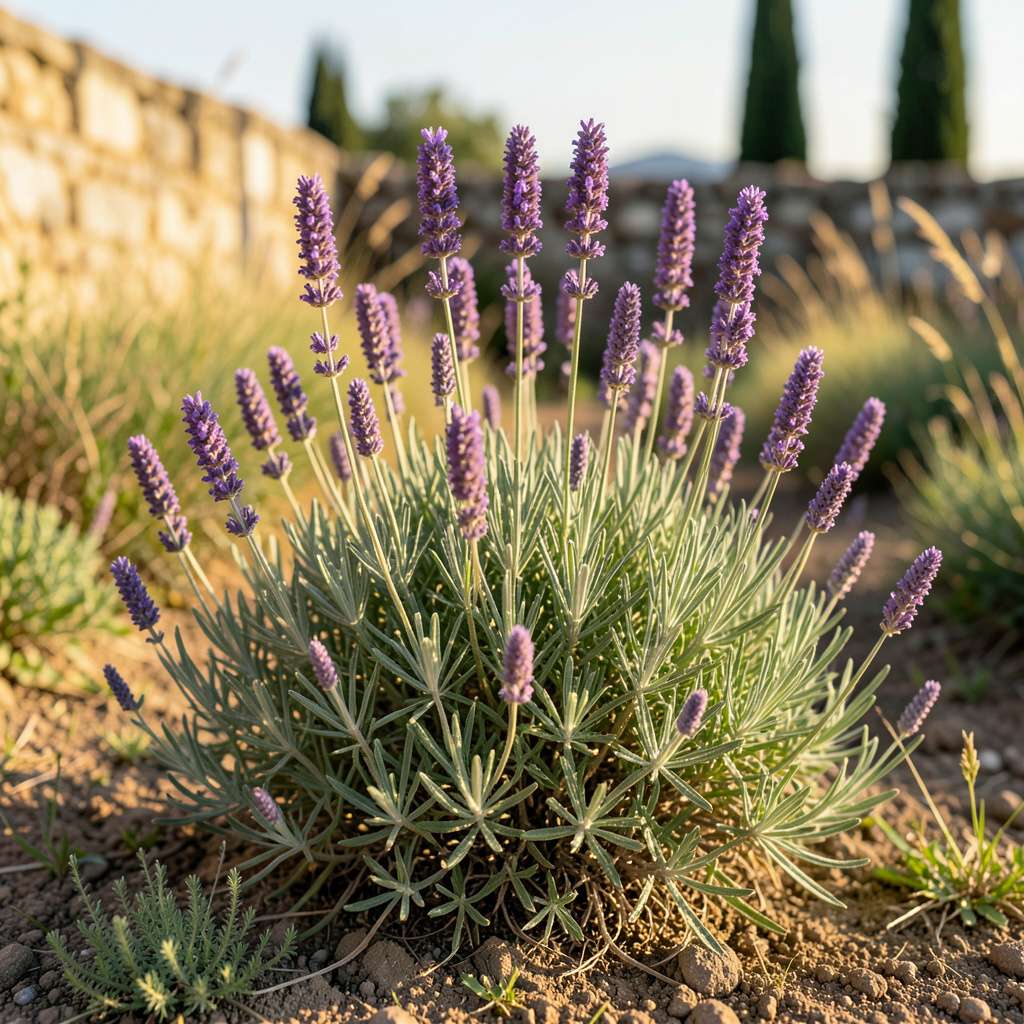
Lavender symbolizes purity, devotion, and tranquility, often representing calmness and healing. Its meaning varies by culture—from protection in ancient times to modern associations with grace, elegance, and even silent love.
This fragrant herb carries deeper significance than many realize. 🌿 In medieval Europe, lavender was tucked into sachets and placed under pillows to ward off evil spirits and promote peaceful sleep. Meanwhile, Victorian women used it in bouquets to convey messages of devotion without speaking a word—part of their intricate “language of flowers.” What fascinates me most is how its soothing scent and delicate purple hue have made it a universal emblem of serenity across centuries.
💡 In This Article
The journey of lavender’s symbolism begins with its chemical composition. This plant contains over 100 active compounds, but linalool and linalyl acetate are the powerhouses that create its signature calming scent.
Ancient Egyptians recognized this property as early as 2500 BCE, using lavender in their mummification process—not just for fragrance, but because these compounds have natural antibacterial properties that helped preserve bodies. 💫
Fast forward to Roman times, and lavender became synonymous with purification. Roman soldiers carried lavender when marching to war, believing its scent would cleanse both body and spirit. The Romans also perfected lavender-infused baths, where the essential oils would release at 104-113°F—the ideal temperature range to activate the plant’s therapeutic compounds.
This practice gave birth to the Latin name “lavare” (to wash), cementing lavender’s association with cleanliness and renewal.
What’s particularly fascinating is how lavender’s color influenced its Victorian-era symbolism. The plant’s purple hue—ranging from soft lilac to deep violet—was rare in nature and expensive to reproduce in dyes. This made lavender bouquets a subtle status symbol.
In the strict social codes of the 1800s, presenting lavender conveyed messages of devotion and elegance that words couldn’t express. The Victorians even assigned specific meanings to different lavender varieties: English lavender for silent love, while French lavender suggested admiration from afar.
The medieval period introduced lavender’s protective qualities. People believed the plant’s strong scent could ward off evil spirits and disease—so much so that lavender was scattered on castle floors during plague outbreaks. Monks grew lavender in monastery gardens, using it in healing salves that contained up to 30% lavender oil by volume.
This dual role as both protector and healer explains why lavender remains a staple in modern aromatherapy, where studies show its scent can reduce cortisol levels by up to 20% in just 15 minutes. ✨
Cultural variations add rich layers to lavender’s symbolism. In Spain, lavender represents passion and is traditionally carried by bullfighters for luck. Meanwhile, in China, lavender symbolizes femininity and is often included in dowries.
The plant’s ability to thrive in poor soil conditions (pH 6.5-7.5) with minimal water made it a symbol of resilience in arid Mediterranean cultures. This adaptability mirrors how lavender’s meaning has evolved yet endured across civilizations.
Even lavender’s growth pattern contributes to its symbolism. The plant takes 90-200 days to mature, teaching patience. Its stems grow in perfect geometric patterns following the Fibonacci sequence, which many cultures associate with divine perfection.
When crushed, lavender releases its full fragrance—a quality that led to its use in religious ceremonies as an offering to deities. This physical transformation from quiet plant to aromatic powerhouse perfectly embodies lavender’s symbolic journey from humble herb to cultural icon. 🌟
The plant’s natural compounds—linalool and linalyl acetate—directly affect the nervous system. Studies show its scent can lower cortisol levels by 20% in just 15 minutes. This physiological response explains why lavender became a universal symbol of tranquility across cultures.
Meanings vary widely: Ancient Egyptians linked it to rebirth, Romans used it for purification, and Victorians associated it with devotion. In Spain, it symbolizes passion, while in China, it represents femininity. This diversity shows how one plant can carry multiple symbolic meanings depending on cultural context.
Brides incorporate lavender bouquets to represent devotion and lasting love. Grosso lavender works beautifully with white roses. Some couples even plant lavender together after ceremonies as a living symbol of their union. The fragrance adds sensory meaning to the visual beauty.
Pair dried lavender with handwritten notes explaining its significance. For example, include sachets with wishes for peaceful sleep or potted plants with messages about growth. High-quality, fragrant lavender retains its symbolic power for years when properly dried and stored.
Historically, lavender has almost exclusively positive meanings. The only exception is some medieval superstitions where overuse was thought to attract spirits. Today, its symbolism remains overwhelmingly positive—focused on healing, protection, and calm.
