
Beautiful Plants For Your Interior
Beautiful Plants For Your Interior
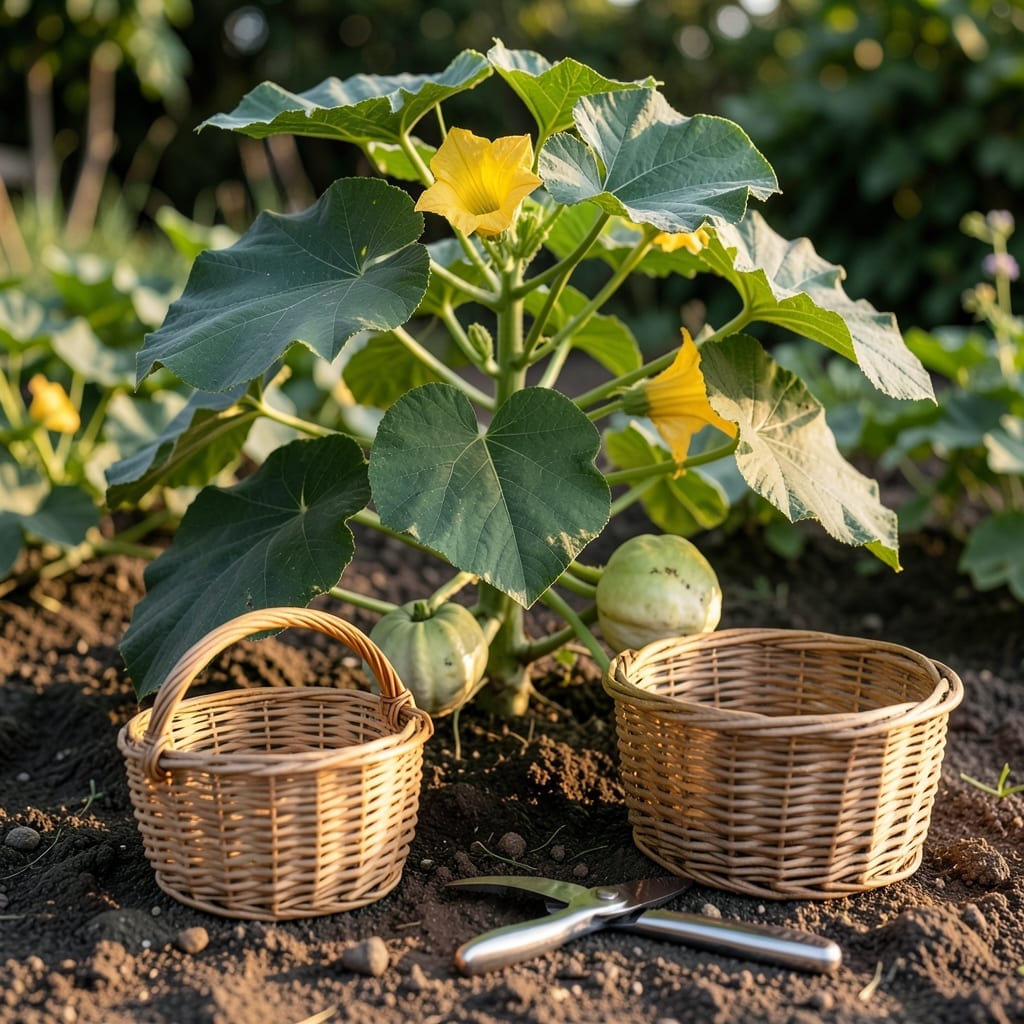
Growing large patty pan squash can reward you with abundant, flavorful harvests that are as beautiful as they are delicious. Whether you’re a seasoned gardener or just starting out, mastering the art of cultivating these unique, scalloped squashes is simpler than you think.
The 🎃 Patty Pan Squash thrives in USDA Zone 6a with the right care. From planting in spring to harvesting in late summer, the journey is filled with rewarding moments. I’ll guide you through each step to ensure your garden flourishes.
You’ll discover how to prepare the soil, space your plants correctly, and provide the ideal conditions for growth. These tips will help you avoid common pitfalls and achieve a bountiful yield.
Let’s dive into the essentials of growing Patty Pan Squash and turn your gardening dreams into reality. The results will speak for themselves.
Growing large patty pan squash starts with the right soil. I always prepare my garden beds with well-draining soil rich in organic matter. A pH of 6.0-7.0 ensures optimal nutrient uptake for these unique squashes.
For best results, I plant seeds 1 inch deep and space them 18-24 inches apart. This gives each plant enough room to spread its vines and develop those signature scalloped fruits we love.
Sunlight is crucial for patty pan squash. I make sure my plants get at least 6-8 hours of direct sunlight daily. Without enough light, the squashes may grow small and underdeveloped.
Watering plays a key role in size development. I maintain consistent moisture by giving my plants 1-2 inches of water weekly. Morning watering helps prevent fungal diseases that can hinder growth.
A balanced fertilizer with a 5-10-10 NPK ratio works wonders. I apply it every 4-6 weeks, especially when vines start running. This boosts both foliage growth and fruit production.
I’ve found that mulching around the base helps retain moisture and suppress weeds. This keeps the soil temperature stable, which patty pan squash absolutely loves for optimal growth.
For larger fruits, I remove some of the early squashes to allow the plant to focus its energy. This pruning technique often results in fewer but significantly larger patty pan squashes at harvest time.
Regularly checking for pests like squash bugs is essential. I inspect the undersides of leaves and use organic pest control methods when needed to protect my plants.
Harvesting at the right time ensures the best flavor and size. I look for squashes that are 2-3 inches in diameter with shiny, tender skin. This is when they’re at their peak for both size and taste.
☀️If you want large patty pan squash in your garden, choosing the right variety is key. I’ve found that ‘Yellow Scallop’ and ‘White Bush’ are top performers, producing abundant yields with minimal fuss. Each has unique traits that suit different growing conditions.
For example, ‘Benning’s Green Tint’ offers a delicate flavor and thrives in warmer climates, while ‘Peter Pan’ is compact, perfect for smaller gardens or containers. Selecting the best fit ensures healthy plants and bountiful harvests.
| Variety | Notes |
|---|---|
| Yellow Scallop | Classic bright yellow with sweet flavor |
| White Bush | Creamy texture, compact plants |
| Benning’s Green Tint | Heat-tolerant, mild taste |
| Peter Pan | Ideal for containers or small spaces |
I always recommend testing soil pH before planting. These squashes prefer slightly acidic to neutral soil (pH 6.0-7.0). Adding compost or aged manure improves fertility and drainage, which is essential for large yields.
Another tip: space plants 2-3 feet apart to allow for proper air circulation. This reduces the risk of powdery mildew and other fungal diseases. I’ve seen healthier plants and bigger squashes when they’re not crowded.
Consistent watering is crucial, especially during fruit development. Aim for 1-2 inches per week, watering at the base to avoid wetting leaves. This helps prevent disease spread while keeping plants hydrated.
Finally, mulching around plants retains moisture and suppresses weeds. I use straw or shredded leaves for best results. With these varieties and care tips, you’ll enjoy large, flavorful patty pan squashes all season long. 🌱