
Beautiful Plants For Your Interior
Beautiful Plants For Your Interior
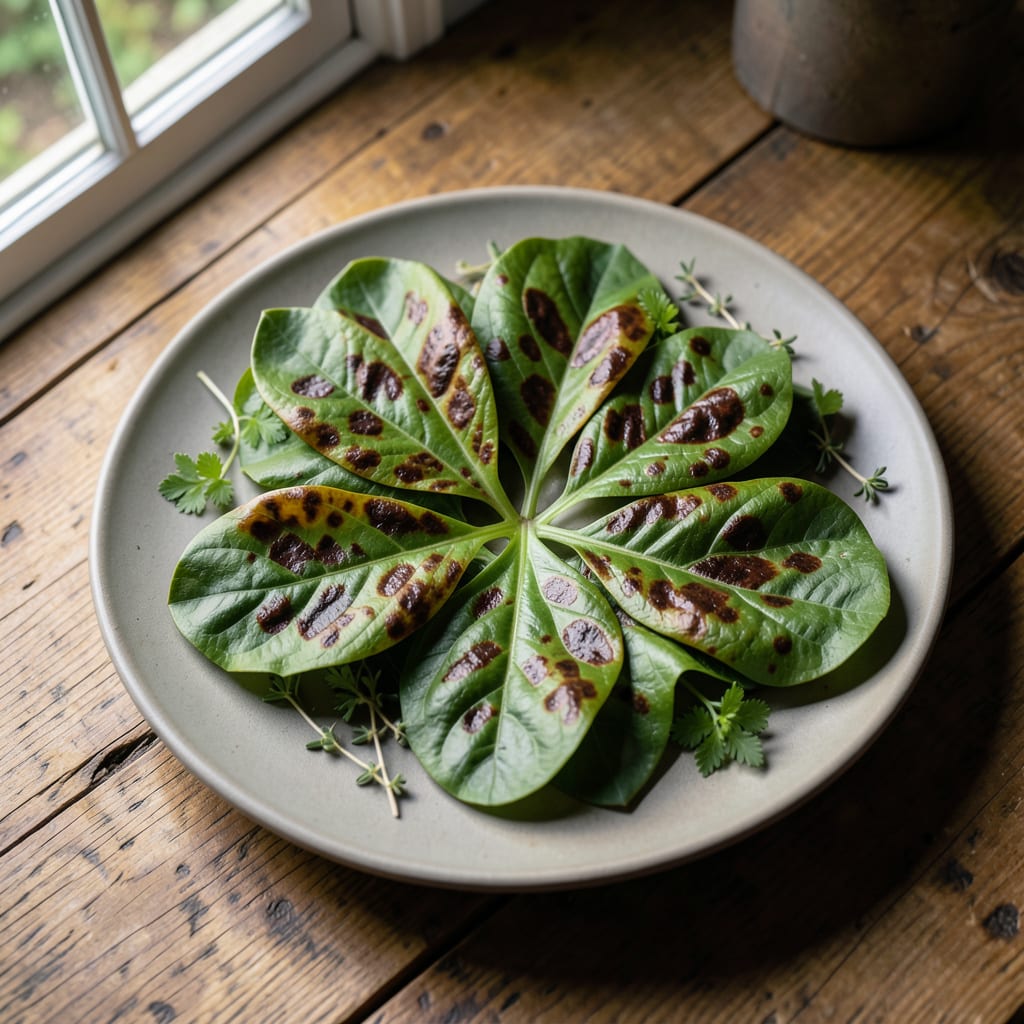
Seeing large brown spots on leaves is like getting a distress signal from your plants. I’ve been there—staring at my once-healthy greens, wondering what went wrong overnight.
Most times, it’s not a death sentence. Fungal infections, water stress, or even too much love in the form of overwatering can cause these spots. The good news? You can often reverse the damage with quick action.
First, isolate the affected plant to stop the spread. Then, check the soil moisture and inspect for pests. A little detective work now saves your garden later.
With the right steps, your plants can bounce back stronger. Let’s figure out the fix together.
Large brown spots on leaves often signal underlying stress or disease. Here are the most common causes:
Pathogens like Alternaria, Septoria, or Cercospora thrive in warm, humid conditions. They invade leaf tissues, disrupting cell function and creating necrotic (dead) patches. Overhead watering or poor air circulation exacerbates fungal spread.
Extreme heat, drought, or waterlogging can trigger cellular damage. Heat stress causes scorching, while waterlogged roots suffocate, leading to nutrient deficiencies that manifest as brown lesions. Cold snaps may also cause frost damage.
Sap-sucking pests like aphids, spider mites, or scale insects weaken plants. Their feeding wounds create entry points for secondary infections, and their toxic saliva may cause localized browning. Check leaf undersides for tiny invaders.
Deficiencies in potassium, magnesium, or calcium often lead to interveinal browning. Over-fertilization (especially with nitrogen) can also burn foliage. A soil test helps pinpoint the issue.
Herbicide drift, improper pesticide application, or even tap water high in salts can cause chemical burns. Symptoms appear as irregular, expanding brown spots, often with yellow halos.
Large brown spots on leaves can often be reversed with the right approach. Below are targeted solutions based on the most common causes, along with prevention tips to keep your plants thriving.
If the spots are caused by fungi like Septoria or Alternaria, start by pruning infected leaves with sterilized shears to prevent spread. Apply a copper-based fungicide or neem oil spray every 7–10 days until the issue clears. Improve airflow around plants by thinning dense foliage and avoiding overhead watering.
Prevention: Water at the base of plants in the morning, and space them properly to reduce humidity.
Root rot or waterlogged soil can cause brown leaf spots. Stop watering immediately and let the soil dry out. If the pot lacks drainage holes, repot the plant in fresh, well-draining soil. Trim any black, mushy roots before replanting.
Prevention: Use pots with drainage holes and a moisture meter to avoid overwatering. Water only when the top 1–2 inches of soil are dry.
Extreme heat, cold drafts, or low humidity can stress plants, leading to brown patches. Move potted plants to a spot with stable temperatures (65–75°F for most houseplants) and indirect light. For outdoor plants, use shade cloth during heatwaves.
Prevention: Monitor weather forecasts and adjust plant placement seasonally. Group indoor plants to raise humidity naturally.
Pests like spider mites or thrips can cause brown stippling or spots. Wipe leaves with a damp cloth to remove pests, then apply insecticidal soap or horticultural oil. Repeat every 5–7 days until pests are gone.
Prevention: Inspect new plants before bringing them indoors, and keep foliage clean to deter pests.
💡 Pro Tip: Always sterilize tools after pruning infected plants to avoid spreading pathogens to healthy ones!
Fungal spots often have a yellow halo around the brown area and may appear on the undersides first. They spread quickly in wet conditions.
Existing brown spots won’t heal, but new growth will be healthy once the issue is resolved. Focus on prevention to protect future leaves.
Yes, too much fertilizer can burn roots and cause leaf scorch. Flush the soil with water to remove excess salts and adjust your feeding schedule.
Remove affected leaves immediately and isolate the plant. Sterilize your tools with rubbing alcohol between cuts to prevent contamination.
