
Beautiful Plants For Your Interior
Beautiful Plants For Your Interior
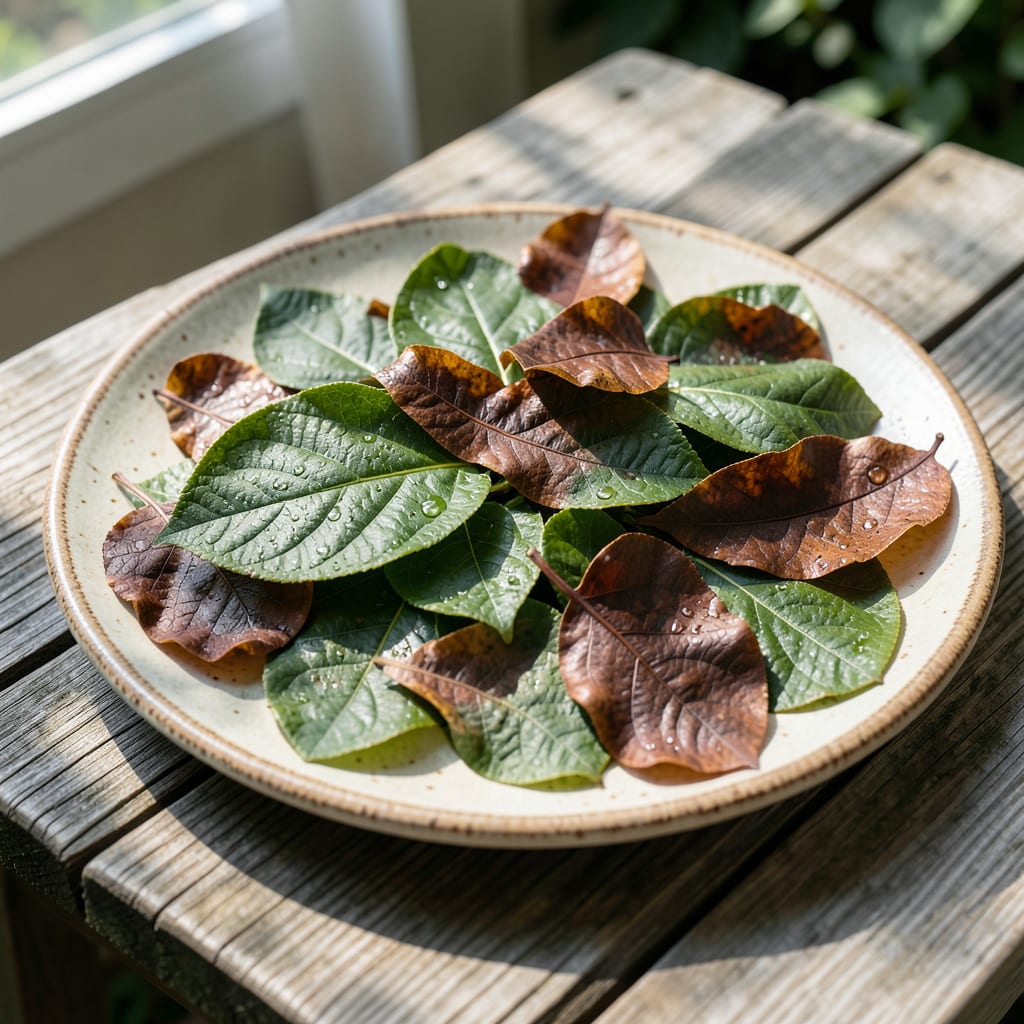
Brown edges on your lantana leaves aren’t just ugly—they’re a cry for help. I’ve seen this happen to my plants after 3 days of neglect and after daily watering, so the fix starts with checking the soil.
Too dry or too soggy, and those leaves turn crispy fast. My rule: stick your finger in the dirt. If the top 2 inches are bone-dry, it’s thirsty. If it’s muddy, back off.
The payoff comes in about a week. With the right watering rhythm, new growth stays vibrant green, and those brown leaves? They’ll drop off on their own.
Works for potted plants, garden beds, and hanging baskets. Here’s how to get it right.
Lantana leaves turning brown often signal underlying stress. Here are the primary culprits, explained scientifically and actionably:
Lantanas thrive in warm climates, but excessive heat (above 90°F/32°C) or intense direct sunlight can scorch leaves, causing brown, crispy edges. This happens because high temperatures accelerate water evaporation, leading to transpiration stress. The plant’s cells dehydrate, and chlorophyll breaks down, resulting in browning.
Fix: Provide afternoon shade in extreme heat or use shade cloth. Mulch the base to retain soil moisture.
Underwatering leads to dry, brittle brown leaves as the plant conserves water by sacrificing foliage. Overwatering, however, suffocates roots, preventing oxygen uptake and causing root rot. In both cases, the roots fail to deliver water and nutrients, triggering leaf browning due to cellular collapse.
Fix: Water deeply but infrequently (1–2 inches per week). Ensure well-draining soil to prevent waterlogging.
Fungi like Alternaria or Phytophthora thrive in humid conditions, attacking leaves and causing brown spots with yellow halos. These pathogens disrupt the plant’s vascular system, blocking nutrient flow and killing tissue.
Fix: Improve air circulation, avoid overhead watering, and apply a copper-based fungicide if needed.
A lack of magnesium (Mg) or potassium (K) can cause interveinal chlorosis (yellowing between veins) followed by browning. Magnesium is vital for chlorophyll production, while potassium regulates water movement. Without them, leaves degrade.
Fix: Use a balanced fertilizer (e.g., 10-10-10) or amend soil with compost for organic nutrients.
Sap-sucking pests like spider mites or whiteflies drain plant fluids, causing necrotic (dead) brown patches. Their feeding disrupts cell integrity, and their honeydew residue can foster sooty mold, further stressing the plant.
Fix: Spray with neem oil or insecticidal soap, and prune heavily infested leaves.
If your lantana’s leaves are turning brown, the fix often starts with adjusting your care routine. Here’s how to tackle the most common causes and restore your plant’s vibrant green.
Give your lantana a deep watering to rehydrate the roots. Soak the soil until water runs out the drainage holes, then let the top 1-2 inches dry before watering again. Prevention tip: Mulch around the base to retain moisture and check soil dryness with your finger weekly. 💡
Stop watering immediately and let the soil dry out. If root rot is suspected, trim any mushy black roots and repot in fresh, well-draining soil. Ensure pots have drainage holes to avoid soggy conditions. Prevention tip: Water only when the topsoil feels dry—lantanas thrive on slight neglect! ✨
Move potted lantanas to a spot with afternoon shade, especially in extreme heat. For in-ground plants, provide temporary shade cloth during peak sun hours. Prevention tip: Acclimate new plants gradually to full sun to avoid shock. 🌡️
Apply a balanced, slow-release fertilizer (10-10-10) to replenish nutrients. Yellowing leaves with brown edges often signal a lack of nitrogen or potassium. Prevention tip: Feed lantanas every 4-6 weeks during the growing season. 🎯
Spray leaves with neem oil or insecticidal soap to combat pests like spider mites. For fungal issues (e.g., leaf spot), remove affected foliage and improve air circulation. Prevention tip: Avoid overhead watering to keep leaves dry. 🛡️
With these targeted fixes, your lantana should bounce back in no time. Consistency in care is key!
Water deeply 1-2 times per week, letting the top 2 inches of soil dry out between waterings. Overwatering causes root rot, while underwatering leads to crispy leaves.
No, once leaves turn brown, they won’t recover. Focus on improving care so new growth stays healthy. Remove damaged foliage to redirect energy to fresh leaves.
Use a balanced 10-10-10 fertilizer every 4-6 weeks in growing season. Organic compost also helps replenish nutrients without chemical burn.
