
Beautiful Plants For Your Interior
Beautiful Plants For Your Interior
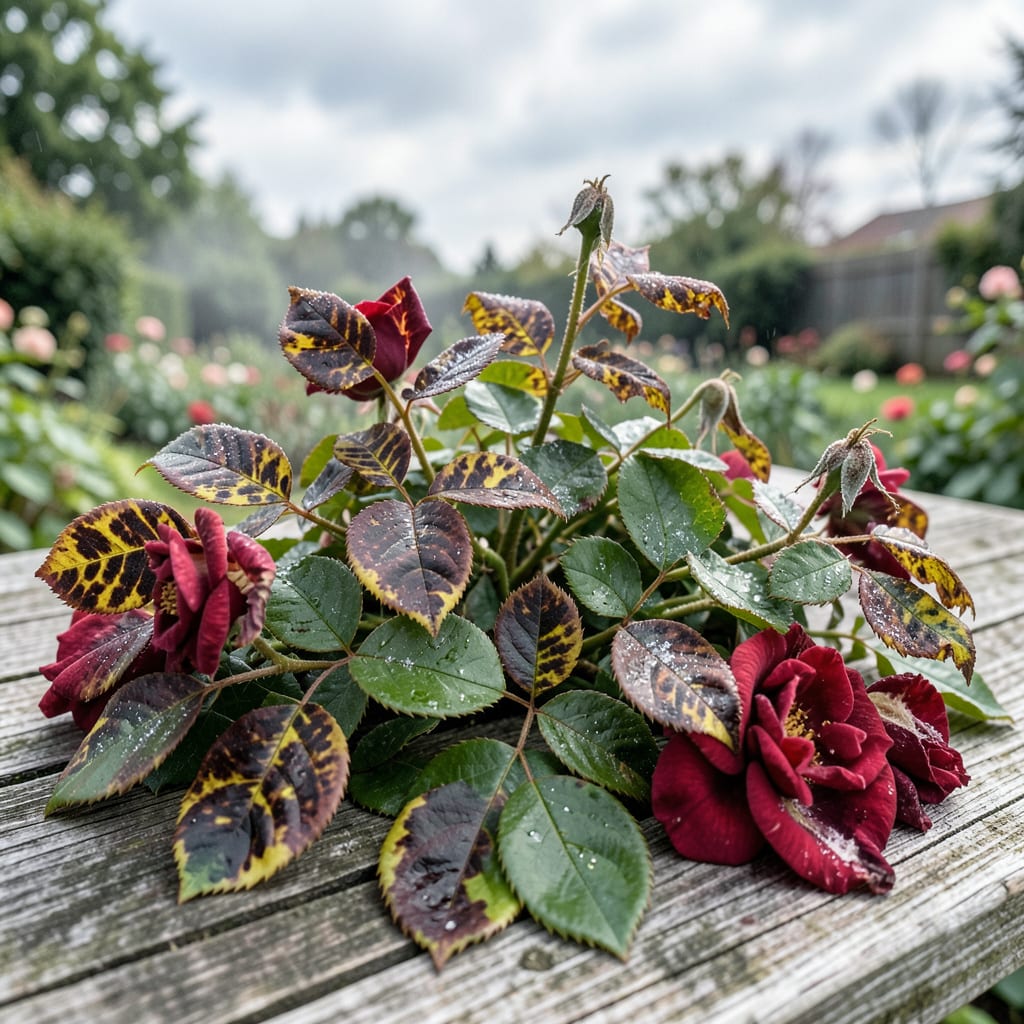
Spotted something off on your knockout roses? Black spots, yellow leaves, or powdery residue often signal disease before it spreads.
I’ve seen healthy bushes turn into problem cases overnight when early signs go unnoticed. Powdery mildew, black spot, and rust are the usual culprits, each leaving distinct marks on leaves and stems.
Catching these symptoms early means the difference between a quick fix and a season-long battle. Organic solutions like neem oil or baking soda sprays work wonders when applied at the first sign of trouble.
Your roses can bounce back stronger with the right approach. Here’s what to look for and how to respond.
Knockout roses are hardy, but even these resilient plants can fall victim to diseases. Understanding the root causes helps you prevent and treat issues before they escalate. Below are the most common reasons behind knockout rose diseases.
Fungi thrive in warm, humid conditions, making roses a prime target. Black spot, powdery mildew, and rust are common fungal diseases. These pathogens spread via spores in water or wind. Poor air circulation and overhead watering create ideal breeding grounds. Action: Space plants properly, water at the base, and remove infected leaves immediately.
Bacteria like Xanthomonas cause leaf spots and cankers. They enter through wounds or splashing water, especially in wet, crowded gardens. Infected plants show yellow-haloed spots or oozing cankers. Action: Sterilize pruning tools, avoid overhead watering, and remove infected plant parts to halt spread.
Insects like aphids, thrips, and Japanese beetles weaken roses by sucking sap or chewing leaves, creating entry points for diseases. Their honeydew also promotes sooty mold. Action: Introduce beneficial insects (e.g., ladybugs) or use organic insecticidal soap.
Drought, excessive heat, or poor soil drainage stress roses, reducing their natural defenses. Stressed plants are more susceptible to opportunistic diseases. Action: Mulch to retain moisture, improve drainage, and ensure consistent watering (1–2 inches weekly).
Lack of essential nutrients (e.g., nitrogen, potassium, or magnesium) weakens immunity. Yellowing leaves or stunted growth may signal deficiencies. Action: Test soil and amend with organic fertilizers or compost as needed.
Keeping your knockout roses healthy starts with quick action and smart care. Below are targeted fixes for common diseases, paired with prevention tips to stop problems before they start.
Fix: Remove infected leaves immediately and dispose of them in the trash (not compost). Apply a baking soda spray (1 tbsp baking soda + 1 tsp dish soap + 1 gallon of water) every 7–10 days. For severe cases, use neem oil or a copper fungicide.
Prevent: Water at the base in the morning to keep foliage dry. Space plants for airflow, and mulch to reduce soil-borne spores.
Fix: Spray affected leaves with a milk solution (1 part milk to 9 parts water) weekly—it’s surprisingly effective! Prune dense growth to improve air circulation.
Prevent: Avoid overhead watering. Choose resistant varieties if mildew is a recurring issue.
Fix: Remove and destroy infected leaves. Apply sulfur-based fungicides or neem oil as directed. Clean up fallen debris around the plant.
Prevent: Keep the garden clean, and water early in the day. Thin out crowded stems to reduce humidity.
Fix: Blast off aphids with a strong water spray. Introduce ladybugs or apply insecticidal soap for stubborn infestations.
Prevent: Encourage beneficial insects by planting companion flowers like marigolds. Inspect leaves regularly for early signs.
💡 Pro Tip: Always sterilize pruning tools between cuts with rubbing alcohol to avoid spreading disease!
Black spots with yellow halos are classic signs of black spot fungus. This common disease spreads quickly in wet conditions. Remove infected leaves immediately and treat with neem oil or a baking soda solution.
White powdery residue is powdery mildew, a fungal disease that thrives in high humidity. Improve air circulation and spray with a milk-water solution weekly to combat it.
Yes! A baking soda spray or milk solution works well for fungal issues. For pests, insecticidal soap or a strong water blast can remove aphids without harsh chemicals.
Check leaves and stems weekly for early signs of disease or pests. Catching issues early prevents spread and makes treatment more effective.
