
Beautiful Plants For Your Interior
Beautiful Plants For Your Interior
There’s nothing quite like watching gerbera daisies burst into color—those bright, cheerful blooms can turn any space into a summer garden. I’ve grown these for years, and the secret to keeping them flowering isn’t complicated: it’s about mimicking what they love in nature. Too many gardeners give up when the first blooms fade, but with […]
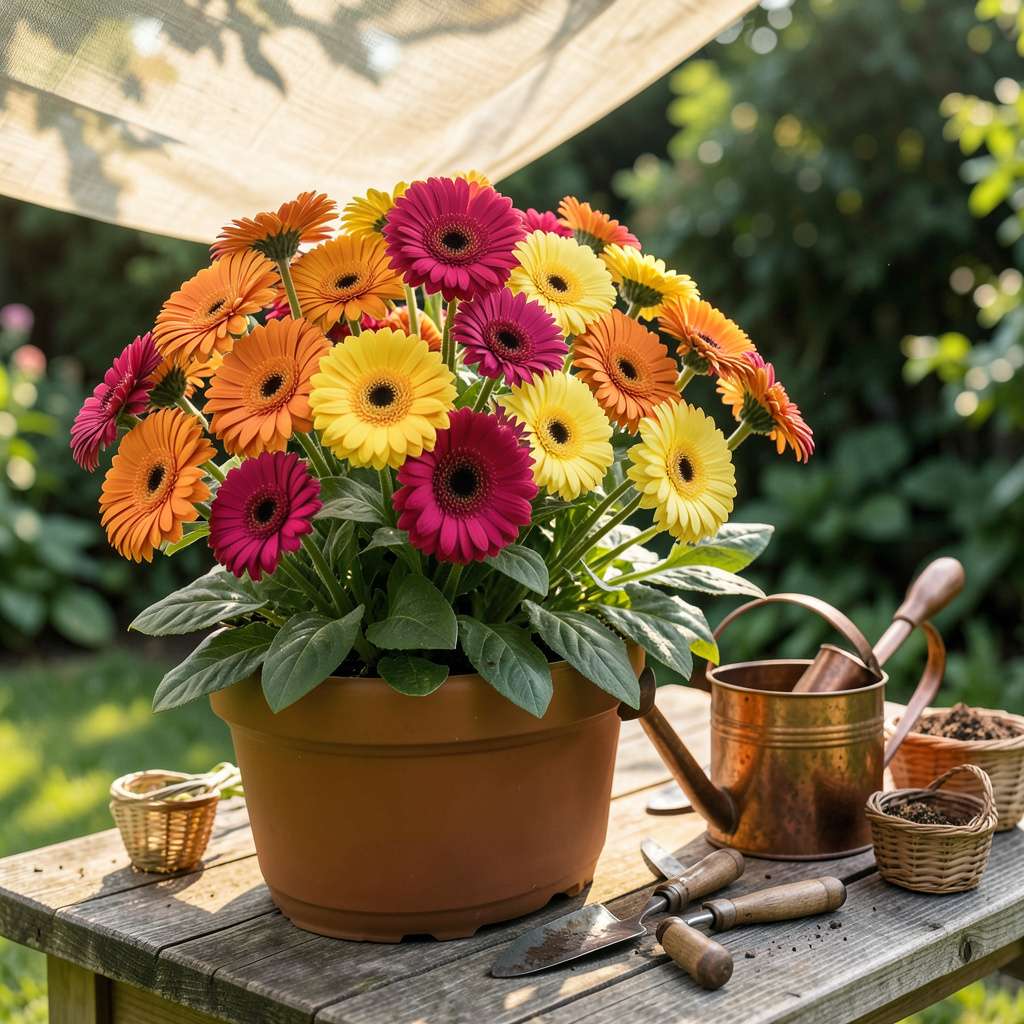
There’s nothing quite like watching gerbera daisies burst into color—those bright, cheerful blooms can turn any space into a summer garden. I’ve grown these for years, and the secret to keeping them flowering isn’t complicated: it’s about mimicking what they love in nature. Too many gardeners give up when the first blooms fade, but with the right care, you can enjoy waves of color for months.
I learned the hard way that gerberas hate soggy roots but thirst for consistent moisture. The balance comes from checking the soil daily (yes, I actually stick my finger in the pot) and watering deeply when the top inch feels dry. Sunlight is equally crucial—these daisies need 6-8 hours of bright light to keep producing those showstopping flowers. Without it, they get leggy and stop blooming.
Here’s where most people miss the mark: fertilization and pruning. A light dose of balanced fertilizer every 2-3 weeks keeps them fueled, while deadheading spent blooms tricks the plant into producing more. My plants typically rebound with fresh flowers within 10-14 days after pruning, and the cycle continues all season.
Whether you’re growing them in containers, garden beds, or mixed borders, the principles stay the same. The payoff? A plant that keeps gifting you with those bold, happy faces long after other flowers have called it quits. Let’s break down exactly how to make it happen.
📚 In This Guide
pH meter or test kit (for soil checks).
Here’s my proven approach to coaxing wave after wave of cheerful blooms from your gerbera daisies.
Gerbera daisies thrive in full sun to partial shade, meaning they need at least 6-8 hours of direct sunlight daily. I’ve found morning sun with afternoon shade works best in hotter climates, while full sun produces the most blooms in cooler areas. Watch for leaves that appear bleached or crispy—this signals too much intense afternoon sun.
The secret is observing your plants daily. When flowers face upward and leaves stand tall, you’ve got the light balance right. If stems stretch and leaves pale, they’re reaching for more light. Move container plants gradually to avoid shock—sudden light changes can cause bud drop.
Water when the top 1-2 inches of soil feel dry to the touch, typically every 2-3 days in warm weather. Gerberas hate soggy roots, so water deeply until it runs from the drainage holes, then let excess drain completely. I use the finger test—push your finger into the soil. If it comes out with dry soil particles, it’s time to water.
Always water at the base, never overhead. Wet leaves invite powdery mildew that ruins blooms. Early morning watering gives plants time to dry before evening. You’ll see the difference immediately—properly watered plants have crisp leaves and sturdy stems that hold flowers upright.
Use a balanced, water-soluble fertilizer (10-10-10) every 2-3 weeks during active growth. I switch to a low-nitrogen, high-phosphorus (5-10-5) formula when buds form to boost flower production. Yellowing lower leaves often means too much nitrogen—cut back if you see this.
For container plants, I add slow-release fertilizer pellets to the potting mix at planting time. This provides steady nutrition between liquid feedings. Always fertilize moist soil to prevent root burn. You’ll know it’s working when you see multiple buds forming simultaneously rather than one at a time.
Remove spent blooms immediately by cutting the stem back to the base. This prevents seed formation and redirects energy to new flowers. I use clean, sharp scissors and make the cut at a 45-degree angle. Look for stems that have turned brown or mushy—these need removal to prevent disease spread.
Every 4-6 weeks, give plants a light trim by removing the oldest leaves at the base. This improves air circulation and encourages fresh growth. You’ll notice new flower stems emerging from the center within days of proper grooming. Never remove more than one-third of the foliage at once.
When temperatures drop below 50°F, gerberas slow down. Reduce watering to every 5-7 days and stop fertilizing. In frost-free areas, they’ll bloom year-round with consistent care. Where winters are cold, treat them as annuals or overwinter indoors near a sunny window.
Watch for the first signs of spring growth—new leaves emerging from the crown. That’s your signal to resume regular feeding and watering. I’ve had plants rebound beautifully after winter dormancy when given this seasonal adjustment. The first spring blooms are always the most rewarding.
After years of growing gerbera daisies, I’ve learned that small adjustments make all the difference between a few blooms and months of vibrant color.
Sunlight Strategy: The 6-8 hours of direct sunlight mentioned in Step 1 is non-negotiable, but here’s what I’ve discovered: morning sun is gentler than afternoon sun. In hot climates, position plants where they get full morning sun but afternoon shade. You’ll know you’ve got it right when the flowers face upward and leaves stand tall rather than wilting. I’ve seen plants produce twice as many blooms with this simple adjustment.
Watering Wisdom: The finger test in Step 2 is your best tool – push your finger 2 inches into the soil. If it feels dry at your second knuckle, it’s time to water. Here’s what nobody tells you: gerberas would rather be slightly too dry than too wet. I water my container plants every 3 days in summer, but always check the soil first. The leaves will tell you everything – crisp leaves mean you’re doing it right, while yellowing leaves signal overwatering.
Fertilizer Timing: That 2-3 week feeding schedule in Step 3 is perfect, but I’ve found a game-changer: switch to the 5-10-5 formula exactly when you see the first tiny buds forming. This phosphorus boost at the right moment triggers more flower stems. I also add a handful of slow-release pellets when repotting – it’s like giving your plants a steady vitamin supply between meals.
Seasonal Secret: When temperatures approach 50°F as mentioned in Step 5, don’t wait for them to drop below it. Start reducing water gradually when nighttime temps hit 55°F. This gradual adjustment prevents shock. I’ve had plants survive mild winters outdoors by moving them to a protected spot against a south-facing wall with this simple preparation.
Deadhead spent blooms every 2–3 days during peak season. Snip the stem just above the base (near the leaves) to encourage new growth. Regular deadheading prevents seed production, redirecting energy into fresh flowers. Use clean scissors to avoid disease!
Lack of blooms often stems from over-fertilizing (too much nitrogen) or inconsistent watering. Check soil moisture—keep it evenly damp but not soggy. Switch to a low-nitrogen, high-phosphorus fertilizer (like 10-30-10) every 4–6 weeks during growing season.
Yes! Place them near a south-facing window (6+ hours of bright light daily) and maintain temps between 60–75°F. Use a grow light if natural light is limited. Potted gerberas need well-draining soil and monthly fertilizer—reduce watering in winter when growth slows.
Try compost tea, worm castings, or banana peel fertilizer (rich in potassium) for organic blooms. Apply every 3–4 weeks. A diluted fish emulsion (1 tbsp per gallon) also works—just avoid overdoing it, as salt buildup can harm roots.
Drooping often means underwatering or root rot. Check soil moisture—if dry, soak the pot in water for 10 minutes; if soggy, let it dry out and improve drainage. Trim yellow leaves and move the plant to partial shade if heat-stressed. Recovery takes 1–2 weeks with proper care.
With the right care—bright light, consistent watering, and a little deadheading—your gerbera daisies can reward you with months of cheerful blooms! 🌼 Remember, these vibrant beauties thrive on attention but don’t need a green thumb—just patience and these simple tricks.
Ready to see your garden or pots burst with color? Start today by checking your daisies’ sunlight spot or picking up a balanced fertilizer. Happy growing—your effort will shine in every petal!
